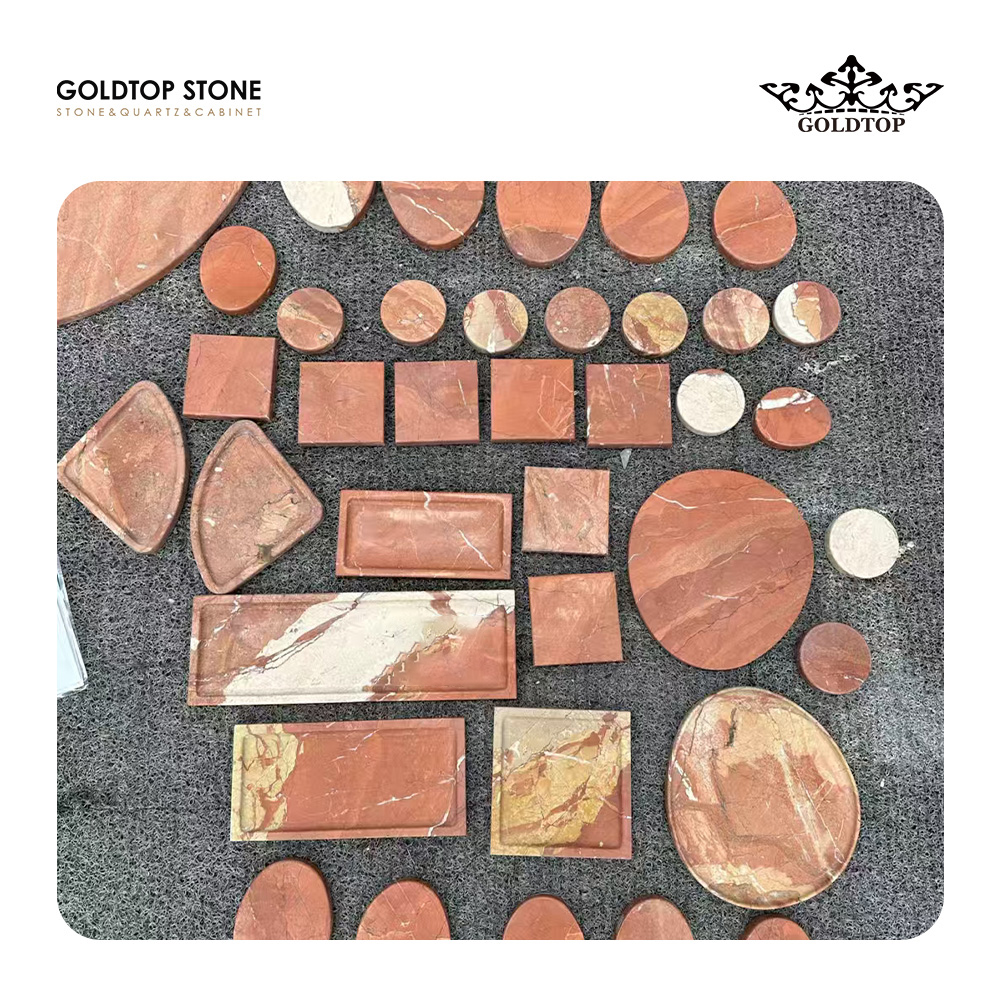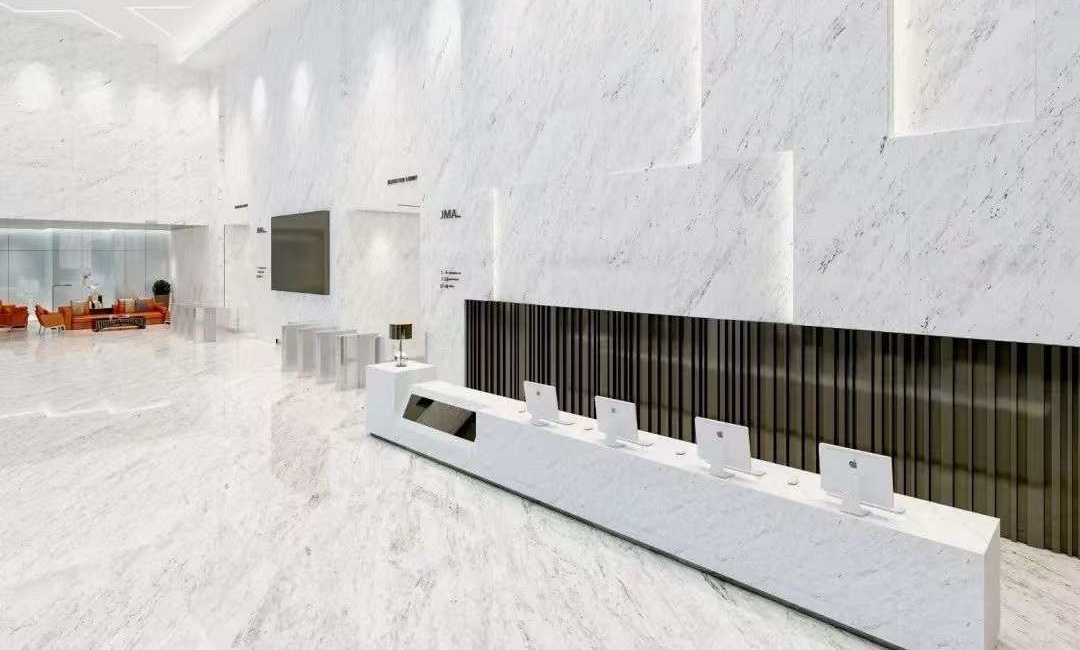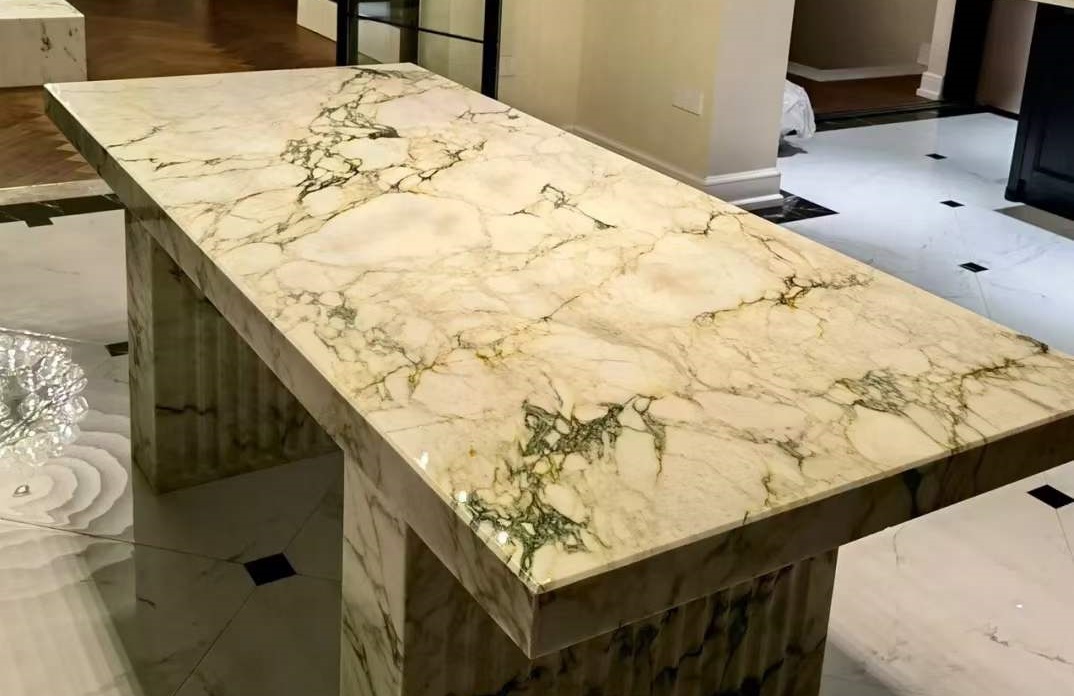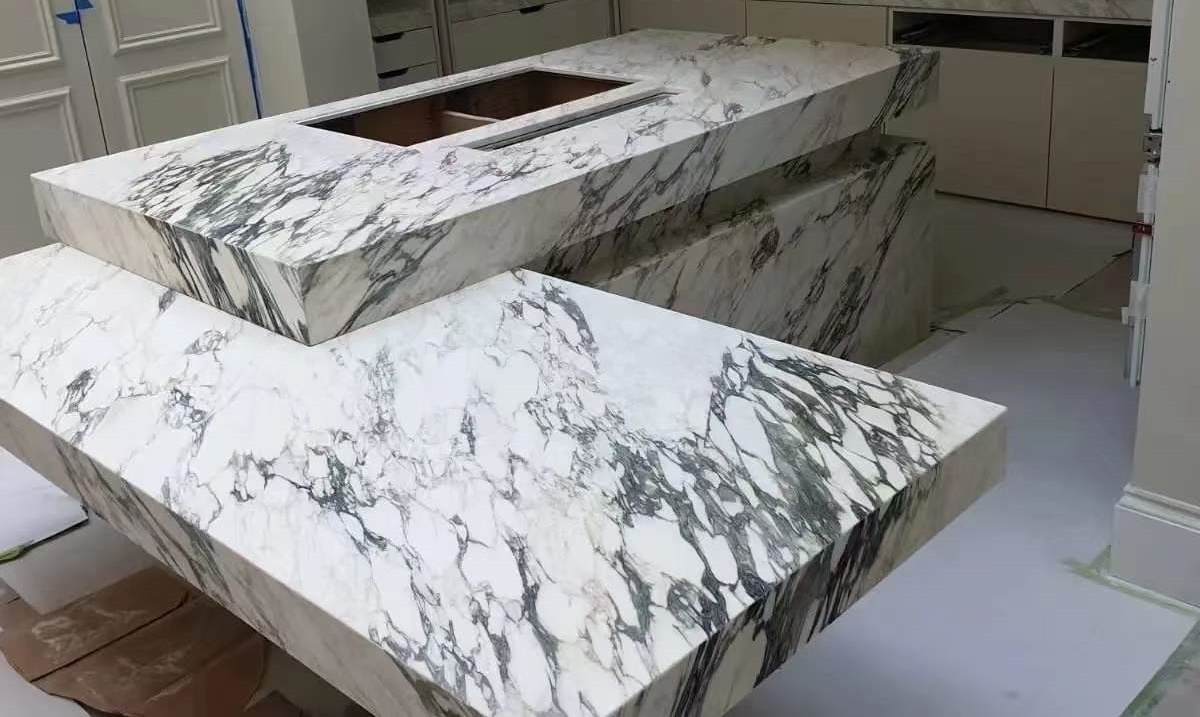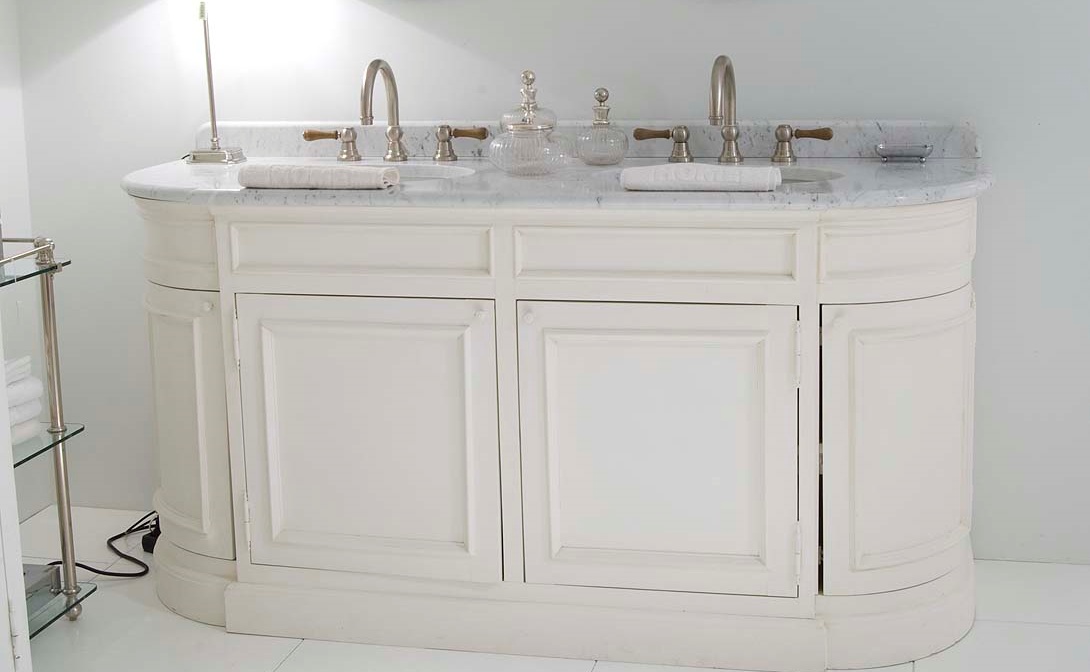
Wall-mounted travertine rectangle sinks are popular for several reasons, blending aesthetics, functionality, and design trends. Here’s why they stand out:
1. Natural Elegance & Unique Aesthetic
Travertine’s warm, earthy tones (beige, cream, gold) and organic texture add luxury and timeless charm to bathrooms.
Each piece has natural variations in veining and pitting, making every sink one-of-a-kind.
Pairs well with both modern (minimalist) and rustic (Mediterranean, farmhouse) styles.
2. Space-Saving & Minimalist Appeal
Wall-mounted design frees up floor space, ideal for small bathrooms or powder rooms.
Creates a floating vanity effect, enhancing visual openness.
Clean lines of the rectangle shape suit contemporary interiors.
3. Durability with a Natural Feel
Travertine is heat-resistant (won’t scorch like synthetic materials).
When properly sealed, it resists water absorption and stains.
Softer than granite/marble but offers a warmer, tactile surface.
4. Design Versatility
Works with wall-mounted faucets for a sleek, uncluttered look.
Complements other materials:
Wood (for warmth)
Black fixtures (for contrast)
Metallics (brass, matte black)
5. Trend Alignment
Organic modern and spa-like bathrooms are in demand—travertine fits perfectly.
Consumers increasingly prefer natural materials over sterile porcelain/ceramic.
6. Perceived Luxury
Travertine is associated with high-end spaces (think Italian villas or boutique hotels).
A statement piece that elevates a basic bathroom.
Where You’ll See Them
Powder rooms (as a focal point).
Spa bathrooms (paired with neutral tones).
Airbnbs/luxury homes (for Instagram-worthy appeal).

Why Epoxy Resin Table is More and More Popular?
Epoxy resin tables have become increasingly popular in recent years due to their unique aesthetic appeal, versatility, and durability. Here are some key reasons why they are so sought after:
1. Stunning Visual Appeal
Customizable Designs: Epoxy resin can be tinted, mixed with pigments, or embedded with objects (like wood, stones, or metallic flakes) to create one-of-a-kind designs.
Glass-Like Finish: When polished, epoxy provides a glossy, smooth surface that enhances depth and vibrancy.
River Tables: The "epoxy river" trend, where resin mimics flowing water between wood slabs, is especially popular for its natural-meets-modern look.
2. Durability & Functionality
Scratch & Heat Resistance: High-quality epoxy is resistant to scratches, moisture, and moderate heat (though extreme heat can damage it).
Long-Lasting: Unlike traditional finishes, epoxy doesn’t yellow excessively (if UV-resistant) and maintains its shine for years.
Seamless & Waterproof: Perfect for dining tables, bars, and countertops, as spills won’t seep in.
3. Versatility in Design
Works well with wood, metal, concrete, and other materials.
Can be molded into unique shapes (e.g., waterfall edges, free-form designs).
Suitable for modern, rustic, industrial, or artistic interiors.
4. DIY & Customization Trend
Many DIY enthusiasts and artisans use epoxy resin for personalized projects.
Social media (Pinterest, Instagram, YouTube) has fueled trends like geode tables, ocean-wave effects, and glow-in-the-dark resin.
5. Repairs & Upcycling
Can restore old or damaged furniture by filling cracks and creating a fresh, modern look.
6. Perceived Luxury
High-end epoxy tables are seen as statement pieces, often used in luxury homes, offices, and hotels.
Conclusion
Epoxy resin tables combine art and functionality, making them a favorite for those who want a durable, eye-catching centerpiece. Their popularity stems from endless customization options and the growing trend of unique, handcrafted furniture.
Would you like recommendations for maintaining an epoxy table or design ideas? Please email to: May@risingfortunetrading.com
How Does Natural Stone Samples Combine Art and Team Spirit?
At STONELINK, stone is more than material, it's a culture we live and shape every day. To strengthen STONELINK's identity and bring our team closer to the materials we work with, STONELINK has launched a unique internal branding activity. We selected iconic natural stone samples from our most representative collections and hand-painted scenes of our brand journey onto them, from source to projects. This creative initiative not only showcases our rich material portfolio but also reflects the essence of STONELINK philosophy: deep roots in stone, innovation in every process, and people at the heart of it all.

1. Why We Chose Natural Stone as Our Canvas?
Each STONELINK stone tells a story, shaped by time, crafted by nature, and selected by our experts. Our hand-painted project uses a curated range of our top-selling natural stones, including:
Honey Cream Limestone: known for its warm beige tones and timeless elegance.
Four Seasons Excalibur Quartzite: a luxurious, colorful quartzite symbolizing strength and artistry.
Patagonia Quartzite: dramatic contrast and translucent beauty.
Travertino Classico: a Roman-era favorite with enduring appeal.
Raggio Verde Marble: green elegance with subtle linear veining.
Blue Water Marble: exotic, deep blue tones with white veins.
Jurassic Traonyx Travertine: a blend of onyx and travertine layers for backlit potential.
Lazy Sunday Marble: a playful mix of pastel shades, ideal for modern design.
Velvet Red Quartzite: bold red energy and gem-like brilliance.
Red Travertine: richly pigmented and full of movement.
Pink Agate Precious Stone: a rare decorative gem for artistic expression.
Yellow Onyx: warm, backlit-friendly stone for statement spaces.
Grey Granite and Terrazzo: practical, minimalistic options with wide application.

2. Painting the STONELINK Brand Story on Stone
Our team of designers and operators worked closely to illustrate the STONELINK journey across different panels of natural stone. Each hand-painted panel captures a chapter in our workflow:
(1) Global Resource Sourcing: Depictions of our quarry visits, block selection, and long-term partnerships.
(2) Warehouse Inventory: Illustrations of our smart inventory management and slab quality controls.
(3) Design & Fabrication: Scenes of cut-to-size processing, CNC work, and detailed craftsmanship.
(4) Full-Cycle Quality Inspection: Visuals of our strict, no-blind-spot quality checks and export protocols.
All employees were invited to sign their names on the artwork. Their signatures are now part of the permanent story of our stones, a symbolic gesture of shared responsibility and pride.
3. Enhancing Employee Engagement Through Stone
This initiative fostered deeper emotional connection between team members and the materials they work with. Every person, from the sales team to the factory technicians, contributed creatively and personally. This is more than an activity. It is a reflection of how STONELINK respects its people as much as its stones. It also serves as a cultural artifact, representing STONELINK's evolution and daily practice in a tangible, beautiful form.
4. From Factory Floor to Global Projects
At STONELINK, we believe that natural stone carries not only physical weight, but also cultural significance. Our hand-painted stones now act as storytelling tools, they are displayed in our showroom, office, and even featured in client meetings as symbols of our commitment to craftsmanship, detail, and team unity. As a leading natural stone supplier and stone project solution provider, we are proud to integrate branding, education, and internal cohesion through such artistic methods.
5. A Culture Set in Stone
In a fast-moving industry, it's easy to focus solely on outputs. But we at STONELINK take time to reflect, to create, and to connect, with each other and with stone. The hand-painted sample project is one of many ways we express our mission: to bring the story of stone into every project and every person's workday. As our collection grows, so will this living art project, with more stones, more stories, and more signatures from the people who make STONELINK what it is.
Explore STONELINK's full range of natural stones and discover how we turn material into meaning.
STONELINK 2025 New Collection | Fantastic Violet Marble
Fantastic Violet, a statement of mystical grandeur, a visual symphony of dual styles, a sophisticated evolution from the Four Seasons marble family, now introducing Fantastic Violet in two iconic styles. Fantastic Violet is STONELINK’s 2025 natural marble debut, sourced from our exclusive Four Seasons quarry in Cambodia. As one of the six distinctive variations within the Four Seasons marble series, this stone embodies dual artistic expressions: the bold & regal red-violet aesthetic, and the graceful eastern violet aura.

Bold & Regal: With explosive shades of wine red, imperial purple, and shadowy black veins, this version bursts with volcanic vitality. Accents of beige and ash-grey lend a mineral depth, while swirling, fluid movement defines the texture—ideal for spaces that demand high-impact design.
Eastern Aura: This version radiates with a poetic blend of soft violet, sage grey, and blush pink, evoking an ink-wash landscape. Delicate crystalline textures add refinement and calm, making it perfect for serene interiors and design concepts inspired by Eastern elegance.
Space Applications

Living Room
In the living room, Fantastic Violet makes a stunning statement wall or media backdrop. Choose the Bold & Regal style for maximalist or art-centric interiors; opt for the Eastern Aura for minimalistic, Wabi-Sabi, or modern Chinese-inspired designs.

Dining Area
Fantastic Violet elevates dining areas when used in integrated dining tables, accent wall cladding, or sideboards. The darker palette conveys luxury and drama, while the softer hues offer refined calm suitable for private residences or boutique hospitality spaces.

Bedroom
The Eastern Aura variation works beautifully for headboards, wall niches, or fireplace surrounds. Paired with wood or brushed metals, it creates a tranquil yet characterful ambiance in any high-end bedroom.

Bathroom
In bathrooms, Fantastic Violet brings sensory richness to dry and wet zones alike. From expansive walls and flooring to vanity tops and bathtub surrounds, its organic color gradients enhance the ritualistic aspect of everyday wellness.
A Functional Sculpture, A Chromatic Muse
Fantastic Violet transcends the role of traditional stone—it is the embodiment of architectural artistry. As both a structural material and an emotional centerpiece, it offers unforgettable visual drama. Be it wild and expressive or soft and meditative, it serves as a canvas for design visionaries to explore contrast, balance, and pure spatial poetry.
To request high-resolution samples, dimension sheets, or custom project consultation, feel free to reach out to the STONELINK team.
What Are the Differences Between Natural Stone Categories?
Natural stone is a timeless and high-performance material used across architecture, construction, and design. However, not all stones are created equal. Depending on their mineral composition, geological origin, and physical properties, natural stones fall into several major categories, each with distinct strengths, aesthetic value, and optimal applications.
Now, we'll break down the key differences between the main types of natural stone: marble, granite, quartzite, travertine, limestone, sandstone and onyx, to help industry professionals, designers, and end-users make more informed decisions.

1. Marble: Refined Elegance with Limitations
Geological Type: Metamorphic
Main Component: Calcite (CaCO₃)
Texture & Appearance: Veined, polished, soft aesthetics
Marble is prized for its luxurious appearance and fine polish. From the timeless Carrara White to the richly veined Calacatta Gold, marble delivers high-end aesthetics with natural variation. However, it is relatively soft, prone to scratching, and sensitive to acidic substances. As such, it is best suited for interior applications like flooring, wall cladding, bathroom vanities, and decorative elements.
Best Use: Interior wall & floor, bathroom vanities, art installations
Avoid: Heavy-traffic floors, kitchen countertops without sealing

2. Granite: Durability for Heavy-Duty Applications
Geological Type: Igneous
Main Components: Quartz, feldspar, mica
Texture & Appearance: Granular, speckled, dense
Granite is one of the hardest and most durable natural stones available. It resists scratches, stains, and heat, making it a popular choice for kitchen countertops, commercial flooring, and exterior cladding. Granite also comes in a wide range of natural colors, from black granite and grey granite to red granite and green granite.
Best Use: Kitchen countertops, commercial floors, façades
Finish Options: Polished, flamed, honed, leathered

3. Quartzite: Beauty of Marble, Strength of Granite
Geological Type: Metamorphic
Main Component: Quartz (SiO₂)
Texture & Appearance: Crystalline, dramatic veining, high-gloss polish
Quartzite is rapidly gaining popularity as a premium natural stone. It resembles marble in appearance, with elegant veining and rich color, but offers much greater hardness, density, and resistance to etching. This makes quartzite ideal for high-end kitchen countertops, feature walls, and bathroom surfaces.
Best Use: Countertops, shower walls, statement surfaces
Notable Stones: Taj Mahal, Four Seasons Excalibur, Imperial Green

4. Travertine: Porous but Timeless
Geological Type: Sedimentary (a form of limestone)
Main Component: Calcium carbonate
Texture & Appearance: Porous, pitted surface, warm tones
Travertine is formed near mineral springs and features natural cavities that may be filled or left open for effect, the most typical one is undoubtedly the Italian Classic Travertine. Common in classical architecture, travertine offers warm aesthetics, but its porosity makes it vulnerable to staining and moisture.
Best Use: Wall tiles, pool decks, exterior columns
Avoid: Kitchens or high-moisture areas unless sealed

5. Limestone: Subtle Beauty with Softer Traits
Geological Type: Sedimentary
Main Component: Calcite
Texture & Appearance: Fine-grained, soft tones, uniform
Limestone is a sedimentary rock formed from marine deposits. White limestone is the most common, also the grey limestone, and the beige limestone. Its subtle color palette, typically beige, cream, or light gray, makes it ideal for modern and classical design schemes. However, it is porous and softer, requiring sealing and care. It is often used for external cladding, interior flooring, and fireplace surrounds.
Best Use: Facades, interior walls, heritage architecture
Avoid: Wet zones or areas prone to staining unless sealed

6. Sandstone: Natural, Earthy, and Textured
Geological Type: Sedimentary
Main Component: Quartz grains bound with silica or calcium
Texture & Appearance: Coarse, layered, earthy colors
Sandstone offers a natural, rustic look and excellent slip resistance. Its coarse texture makes it especially suitable for landscape paving, pool surrounds, and garden paths. However, it can weather over time and is less dense than granite or quartzite.
Best Use: Outdoor paving, landscaping, retaining walls
Finish Options: Natural split, honed, brushed

7. Onyx: Translucent Luxury with Delicate Nature
Geological Type: Sedimentary (a variety of banded calcite)
Main Component: Calcite (CaCO₃)
Texture & Appearance: Striking banded layers, semi-translucent, high polish
Onyx is one of the most visually dramatic stones in the natural stone family. Its defining characteristic is its semi-translucent body, allowing it to be backlit for stunning visual effects. Featuring bold veining, exotic colors, and intricate banding, onyx is used primarily for feature walls, bar fronts, reception desks, and decorative panels.
However, onyx is much softer and more brittle than marble or granite. It scratches easily and requires careful handling during fabrication, installation, and use. Despite its fragility, onyx remains a favorite for luxurious interiors where visual impact outweighs durability.
Best Use: Backlit feature walls, decorative cladding, artistic installations
Avoid: Heavy-use areas, kitchen countertops
Notable Colors: Green onyx, honey onyx, pink onyx, white onyx, blue onyx
Matching Stone to Application
Understanding the properties of each natural stone type allows for smarter design and construction choices. While marble and limestone offer elegance, granite and quartzite deliver resilience. Onyx and sandstone provide character and texture, while travertine lends historic warmth.
Selecting the right stone is a balance between performance, maintenance, aesthetics, and budget. Whether you're an architect, fabricator, or contractor, matching the correct stone to the project's demands is key to long-term satisfaction and performance.
Which Characteristics Make Natural Stone the Most Expensive?
In the global stone industry, natural stone pricing varies significantly based on a combination of geological rarity, aesthetics, processing difficulty, and market demand. While general consumers may equate high price with beauty alone, seasoned professionals know that value in natural stone is driven by deeper factors. We'll explore the specific characteristics that make certain types of natural stone reach premium pricing levels.
1. Geological Rarity and Scarcity
Scarcity is a foundational driver of price in the natural stone market. Stones that are extracted from quarries with limited reserves or from regions with strict mining regulations often command the highest prices. Examples include:

Azul Bahia: A vivid blue granite from Brazil, known for its deep color and limited extraction volume.
Bianco Lasa (Lasa White Marble): Originating from South Tyrol in Italy, this marble is tightly controlled in supply and prized for its pure white background.
Bleu de Savoie: A French blue-grey marble whose quarrying is restricted by environmental policies.
When a stone is no longer actively quarried or is nearing depletion, prices can surge dramatically due to collectability and dwindling availability.
2. Visual Uniqueness and Artistic Value
Stones with naturally occurring patterns that resemble abstract art, landscapes, or fluid motion often achieve premium pricing. These "artistic stones" are valued not just for their raw material but also for their ability to serve as statement pieces in architecture and interior design. Examples include:

Patagonia Quartzite: A dramatic mix of translucent quartz, feldspar, and mineral veins, often backlit to enhance its appearance.
Amazonite: A rare greenish-blue quartzite with crystalline texture and high visual impact.
Blue Roma: With painterly swirls and movement, it stands out in high-end residential and boutique hospitality spaces.
These slabs are typically sold per piece rather than by square meter, due to their uniqueness.
3. Crystalline and Semi-Precious Stone Composition
Some of the most expensive natural stones belong to the crystal-rich quartzite or semi-precious categories, containing elements such as quartz, amethyst, or even tourmaline. These stones not only exhibit high clarity and translucency, but also require more care in cutting and polishing due to their hardness and brittleness.

Cristallo Quartzite: Often translucent, ideal for backlit applications.
Ametista (Amethyst Quartzite): Deep violet with visible crystal formations.
Onyx Variants: While technically not quartzites, onyx stones like Pink Onyx and Honey Onyx are priced at a premium due to their translucency and decorative appeal.
These stones often fall in the $280 - $480/m² range, depending on thickness, clarity, and origin.
4. Processing Difficulty and Block Integrity
Even a beautiful stone loses value if it fractures during cutting or produces excessive waste. Conversely, stones with large, structurally sound blocks and high slab yield per cubic meter will have greater value due to lower production loss.
Hard stones such as quartzite or some types of dolomite require advanced processing tools (e.g., diamond wire saws, resin reinforcement), which increases cost. Additionally, highly figured stones may require bookmatching or pattern continuation, further increasing labor and material costs.
5. Brand Recognition and Market Demand
Stones associated with iconic projects, global design brands, or famous architecture firms naturally carry a reputation premium. Italian stones such as Calacatta Borghini, Statuario, or Arabescato Corchia are not only visually stunning, but also deeply entrenched in luxury design culture.
Because of limited quarrying and strong association with high-end applications, these stones can reach over $700/m² for top-tier blocks and slabs.

Comparative Snapshot: Top Premium Natural Stones
| Stone Type | Average Price (EXW) | Key Characteristics |
| Cristallo Bianco | $280 - $400/m² | Translucent, crystalline, bookmatch potential |
| Patagonia | $140 - $450/m² | Artistic, semi-precious, unique slab pattern |
| Azul Bahia | $280 - $450/m² | Rare blue granite, limited supply |
| Pink Onyx | $140 - $350/m² | Backlit capability, decorative use |
| Calacatta Borghini | $410 - $700/m² | Iconic Italian marble, limited quarry |
While beauty and visual appeal are essential in stone selection, they are only part of the equation. The stones that consistently top the price charts combine rarity, artistic character, material complexity, and strong market demand. Understanding these factors allows architects, designers, and distributors to make informed decisions when sourcing high-value natural stones.
Whether you're sourcing for a luxury hotel lobby, a high-end kitchen, or a designer boutique, knowing what drives natural stone pricing ensures you're getting both aesthetic and commercial value.
Four Seasons Green Marble Series Color Variants and Design Flexibility
The Four Seasons Green Marble series is a group of natural stones sourced from the same quarry origin in Cambodia, offering multiple color variations, stable supply, and application flexibility. Four Seasons marble is designed for professionals who require reliable materials with distinctive appearance and strong processing performance.
1. Defined Color Styles
Based on STONELINK’s current classification, the Four Seasons Green Marble series includes several key styles, each with distinct characteristics:

Classic French Les Quatre Saisons
(1) Inspired by original Four Seasons materials from France
(2) Balanced green base with vibrant wine red to pink patterns
(3) Suitable for classic and modern European-style interiors
(1) Strong contrast between green background and greyish white patterns
(2) Ideal for bold, graphic applications such as countertops or bookmatched walls
(1) Unique purple and mauve highlights on a deep green or smoky red base
(2) Recommended for high-end, artistic or boutique interior spaces
(1) Light grey to pinkish background with red, gold, and coral veining
(2) Elegant and decorative, often used in residential or hospitality projects
(1) Intense multi-color, rich in red, green, pink, and gold veining
(2) High visual impact for statement walls, lobbies, or luxury retail
Light Base Green Style
(1) Pale green to off-white background with soft beige or light violet texture
(2) Clean and subtle, suitable for minimalist interiors or large-area floors
This classification helps distributors and designers choose the right type for different target markets and project styles.
2. Processing and Availability

All color types are available in:
Jumbo slabs with 20mm, 30mm thickness
Cut-to-size available with tiles, panels, custom shapes
Full range of finishes: polished, honed, leathered, brushed, or sandblasted
STONELINK maintains quarry-direct stock and a stable production schedule, supporting both small batch retail and bulk project supply.
3. Applications Across Global Markets

The Four Seasons Green series is widely used in:
Residential: feature walls, vanities, kitchen islands
Commercial: hotel lobbies, high-end retail, offices
Public spaces: museums, wellness centers, cultural buildings
With its wide range of styles, the series adapts to design trends in North America, Europe, the Middle East, and Southeast Asia.
4. One Quarry, Many Possibilities
The Four Seasons Green Marble series offers a structured and scalable product portfolio for stone professionals. With multiple defined styles, clear application directions, and strong visual impact, Four Seasons marble continues to gain market share among contractors, wholesalers, architects, and designers.
For detailed color references, container pricing, or exclusive distribution agreements, contact STONELINK’s sales team.
What Are the Key Characteristics of Natural Stones Named 'Four Seasons'?
In the natural stone industry, names are more than marketing, which means many reflect aesthetic features, geological origin, or even the emotional experience a surface evokes. Among such naming conventions, the term "Four Seasons" has emerged as a popular descriptor across several stone varieties. While not referencing a single material, "Four Seasons" natural stones share a set of visual and performance characteristics that make them distinctive within the industry.
This blog explores the common traits, geological diversity, market segmentation, and practical applications of stones named "Four Seasons," offering a reference point for architects, designers, fabricators, and stone distributors.

1. "Four Seasons": General Name for a Style of Stone
Stones bearing the name "Four Seasons" are not from a single quarry or confined to one country. Instead, the name is applied across multiple stone types, mostly marble and quartzite, or other metamorphic rocks that share multicolor complexity, natural contrast, and a dynamic visual rhythm. The name draws inspiration from the shifting tones and textures seen throughout spring, summer, autumn, and winter, translating that seasonal diversity into surface design.
As a result, the "Four Seasons" family may include:
Four Seasons Green: predominantly green with veins of red, gold, or purple
Four Seasons Sakura: subtle gray-pink base with golden or cream-colored veining
Four Seasons Pink: highly colorful base with dramatic flowing patterns
Four Seasons Violet: deep burgundy or purple tones mixed with multicolor swirls
Four Seasons Excalibur: different color blocks are inlaid together like gemstones
Each of these names corresponds not just to color, but to emotionally evocative compositions, often selected for artistic or statement-making applications.

2. Multicolor Harmony and Visual Depth
The most defining feature of any "Four Seasons" stone is its rich color palette. These stones tend to combine three or more of the following tones:
Green (light jade to deep forest)
Red or burgundy
Gold, beige, or amber
Gray or lavender accents
Cream or pale pink bases
Their patterns are often non-directional, with wave-like or cloud-like movement, making them suitable for bookmatching, wall features, or large-format surfaces.
From an aesthetic perspective, this complexity allows them to adapt to various interior styles—from maximalist luxury to earthy biophilic design.

3. Price Range and Market Perception
The pricing of "Four Seasons" stones varies based on:
Visual impact (color contrast, composition)
Block yield (usable slab ratio from raw blocks)
Rarity of color combinations
Type of stone and processing cost
For example:
Standard Four Seasons Green marbles may range between $320 - $490/m² EXW
Four Seasons Sakura, due to its soft tones and wider availability, typically falls in the $150 - $210/m² range
Highly artistic Four Seasons quartzites with vivid color transitions or bookmatched potential may command $110 - $170/m² or more
While not among the rarest stones in the world, well-composed slabs with balanced veining and vibrant contrast are highly sought-after by designers, especially for high-visibility installations.

4. Ideal Applications in Design Projects
Four Seasons stones are ideal for projects that demand strong visual identity and natural storytelling. They're often specified for:
Feature walls in lobbies, lounges, and residences
Custom-made island countertops and vanity tops
Hotel and spa interiors seeking a serene, nature-inspired ambiance
Large-scale bookmatched panels in public spaces or art installations
Their aesthetic versatility allows them to function either as bold focal points or elegant background textures depending on lighting and finish.

5. Sourcing Considerations
Suppliers of Four Seasons stones are typically based in stone processing hubs such as China, Italy, or Brazil. However, as these stones are not tied to a single geological formation, consistent sourcing requires close quality control, especially for projects requiring large quantities or color consistency.
Quarry-direct partnerships, stable block access, and preselection of slabs are critical when working with Four Seasons materials at scale.
"Four Seasons" natural stones represent more than a product, they reflect a design language rooted in natural beauty, seasonal transformation, and expressive aesthetics. While the name spans multiple stone types and global sources, what unites them is their ability to evoke emotion through rich color, organic movement, and depth of texture.
For stone professionals, understanding the material diversity, pricing logic, and sourcing practices behind Four Seasons stones is key to delivering successful design outcomes, whether for residential luxury or commercial excellence.
Panda Green Marble from STONELINK Professional Analysis and Comparison with Similar Green-White Stones
Natural stone remains a cornerstone of luxury design, blending timeless aesthetics with inherent durability. Among the most sought-after options in 2025, STONELINK’s Panda Green marble (from its Four Seasons Green series) stands out for its unique visual appeal and versatility. Architects, interior designers, and homeowners value it for its striking green-and-white contrast and adaptability to diverse design styles.
This guide breaks down Panda Green’s geology, aesthetics, and performance, then compares it to three similar green-white marbles—Forest Green, China Green, and Baltic Green—to highlight its distinct advantages.

Part 1: What Makes Panda Green Unique?
1. Geologic Origins
Panda Green is quarried from metamorphic rock deposits in Cambodia, formed over 200 million years ago during the Mesozoic Era. Intense heat (over 500°C) and pressure transformed sedimentary limestone into marble, while mineral-rich fluids infiltrating the rock created its signature green hue.
2. Mineral Composition
Panda Green marble’s color and durability stem from 3 key minerals:
• Serpentine: Provides the deep green base (ranging from forest green to jet green) and enhances scratch/stain resistance due to its fibrous structure.
• Calcite & Dolomite: Form irregular white veining and patches, adding a soft, contrasting texture.
• Hematite & Limonite: Create subtle golden streaks that add depth and warmth, preventing the stone from appearing too stark.
3. Aesthetics
Panda Green’s defining feature is its high-contrast veining: a deep green base with irregular white patches, small “clouds” to large angular shapes, and golden streaks. This dynamic, organic pattern balances boldness with subtlety, making it suitable for both statement pieces and functional surfaces.
4. Design Versatility
Panda Green works across multiple styles:
• Modern Minimalism: The green-and-white contrast complements clean lines and neutral tones, adding drama without clutter.
• New Chinese: The deep green base evokes traditional ink paintings, while white veining adds a contemporary twist.
• Nordic Chic: Its natural texture softens minimalistic spaces, balancing simplicity with warmth.
5. Performance
Panda Green is a practical choice for high-traffic areas, thanks to STONELINK’s rigorous quality control:
• Density: ~2.7 g/cm³ (higher than average marble), reducing porosity and enhancing stain resistance.
• Compressive Strength: >120 MPa, suitable for floors, countertops, and other heavy-use surfaces.
• Water Absorption: <0.5%, making it resistant to spills (e.g., wine, coffee).
• Abrasion Resistance: Class 3, ideal for commercial spaces (hotels, restaurants, retail).
Its durability, paired with unique aesthetics, makes it suitable for both residential (kitchens, bathrooms) and commercial (lobbies, display tables) applications.
Part 2: Panda Green vs. Similar Green-White Marbles
To evaluate Panda Green’s uniqueness, we compare it to three common alternatives:
| Feature | Panda Green (STONELINK) | Forest Green | China Green | Baltic Green |
| Color/Pattern | Deep green base + irregular white patches + golden streaks | Light-to-medium green + fine, uniform white veining | Dark green (near-black) + sparse white specks | Gray-green + linear white veining |
| Visual Impact | Bold, dramatic contrast (unique to each slab) | Subtle, calming (lacks “wow” factor) | Uniform, dense (little visual variation) | Structured, rigid (machine-like pattern) |
| Durability | High (density: 2.7 g/cm³; compressive strength: 120 MPa) | Moderate (lower density, more porous) | High (dense, but less veining = fewer weak points) | Moderate (prone to scratching) |
Best Use Cases Statement walls, countertops, floors (residential/commercial). Backsplashes, accent walls (small spaces). Floors, heavy-use surfaces (commercial). High-end residential (master bathrooms, fireplaces).
* Key Takeaways
1. vs. Forest Green: Forest Green is affordable but subtle. Panda Green offers a bolder contrast for a more dramatic impact.
2. vs. China Green: China Green is durable but uniform. Panda Green adds unique character with its veining.
3. vs. Baltic Green: Baltic Green is luxurious but expensive. Panda Green provides similar (or better) visual appeal at a lower cost.

Part 3: Why Choose Panda Green?
Panda Green stands out in a crowded market for three reasons:
1. Unique Aesthetics: Its panda-like green-and-white contrast is instantly recognizable and distinct from generic marbles.
2. Proven Durability: STONELINK’s quality control ensures long-term performance in high-traffic areas.
3. Value for Money: It offers luxury-level aesthetics at a more accessible price than premium options like Baltic Green.

Panda Green is a functional, aesthetically distinct choice that combines nature’s beauty with long-term durability. Whether you’re designing a modern kitchen, a traditional hotel lobby, or a home that reflects your style, Panda Green offers the perfect balance of beauty, functionality, and value. For a stone that stands out in a crowded market, choose STONELINK’s Panda Green from the Four Seasons Green series. Contact STONELINK today to explore your options.
Blue Labradorite Granite Kitchen Countertop Elevate Your Space with Natural Luxury
Introduction
When functionality meets luxury, few materials can rival the stunning Blue Labradorite Granite. Known for its mesmerizing iridescence and unmatched durability, this granite type is becoming an increasingly popular choice for high-end kitchen countertops in residential and commercial projects worldwide.
At GOLDTOP STONE, we proudly offer top-tier Blue Labradorite Granite kitchen countertops for global B2B buyers, interior designers, builders, and distributors looking to deliver both aesthetic appeal and lasting performance to their clients.

Product Features & Advantages
Unique Iridescence
Blue Labradorite is famous for its vibrant flashes of blue, green, and silver—natural optical phenomena known as labradorescence. Every slab is a piece of art formed by nature.
Durability & Performance
This granite is exceptionally hard and resistant to heat, scratches, and stains. It performs well in both residential and commercial kitchens.
Low Maintenance
Sealed surfaces are easy to clean and maintain, making it ideal for busy food-prep areas.
Premium Appeal
Its exotic look instantly elevates the status of any interior space, making it a favorite for luxury real estate, hotels, and upscale showrooms.
Custom Sizes & Edge Profiles
Available in multiple thicknesses and customizable edge profiles to suit various installation requirements.

Applications
Blue Labradorite Granite is ideal for:
Kitchen countertops in luxury homes and villas
Bar counters in boutique hotels or high-end restaurants
Reception desks in modern office spaces
Vanity tops and islands in residential or commercial interiors
Wall cladding or feature panels for an eye-catching statement

Why Choose GOLDTOP STONE
With 20+ years of experience in natural stone fabrication and export, we specialize in high-grade stone products tailored for overseas markets. Our Blue Labradorite Granite slabs undergo strict quality checks and are securely packed for international shipping.
Support for OEM/ODM
Bulk supply and custom packaging
Fast response for international inquiries
Visit us or book a virtual factory tour