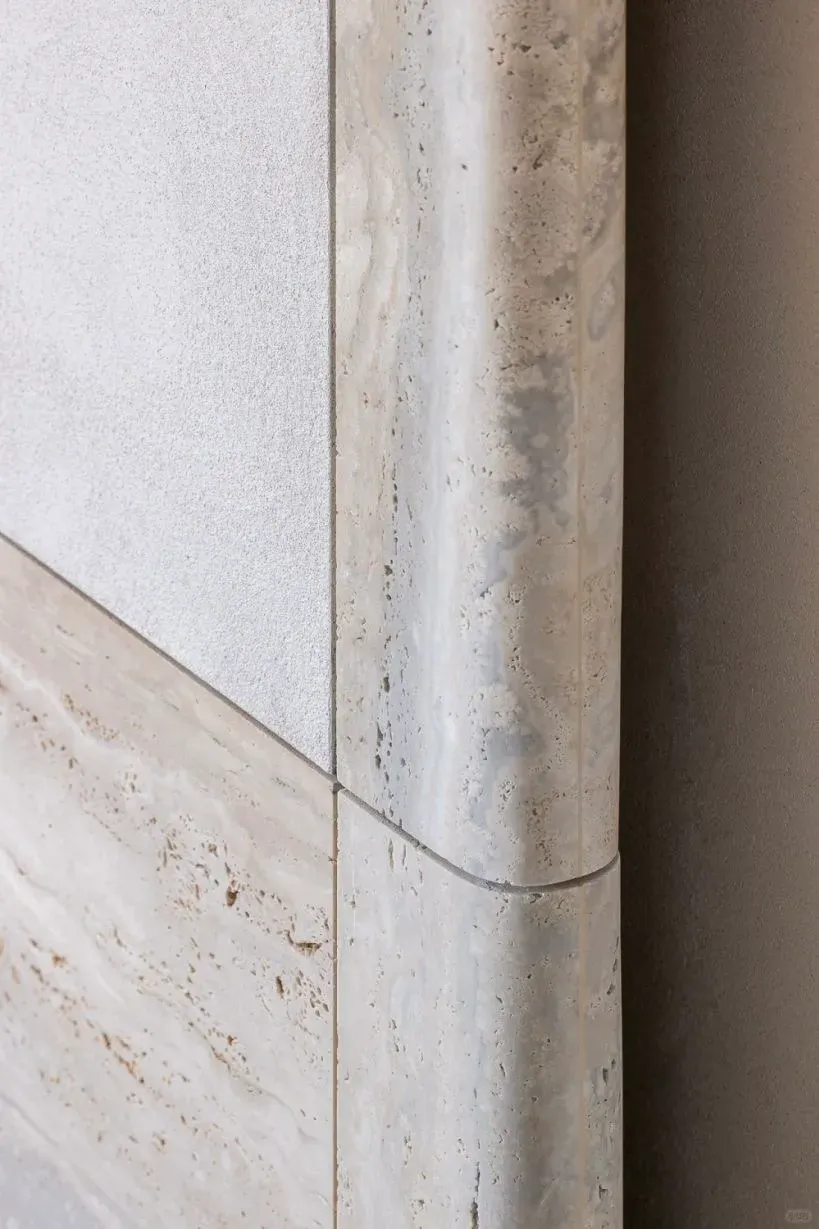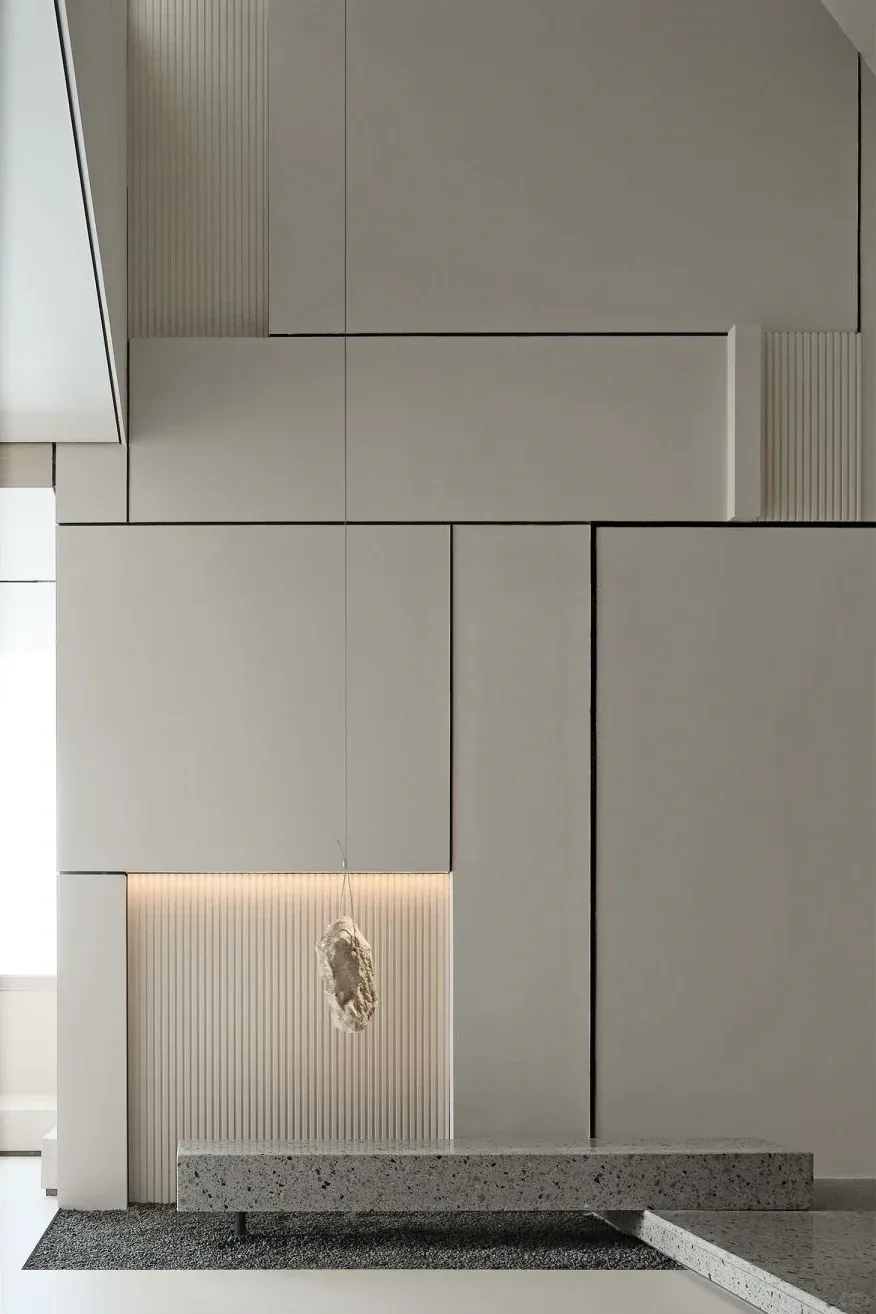
Timeless Elegance with River Black Granite Slabs for Countertop

What is River Black Granite?
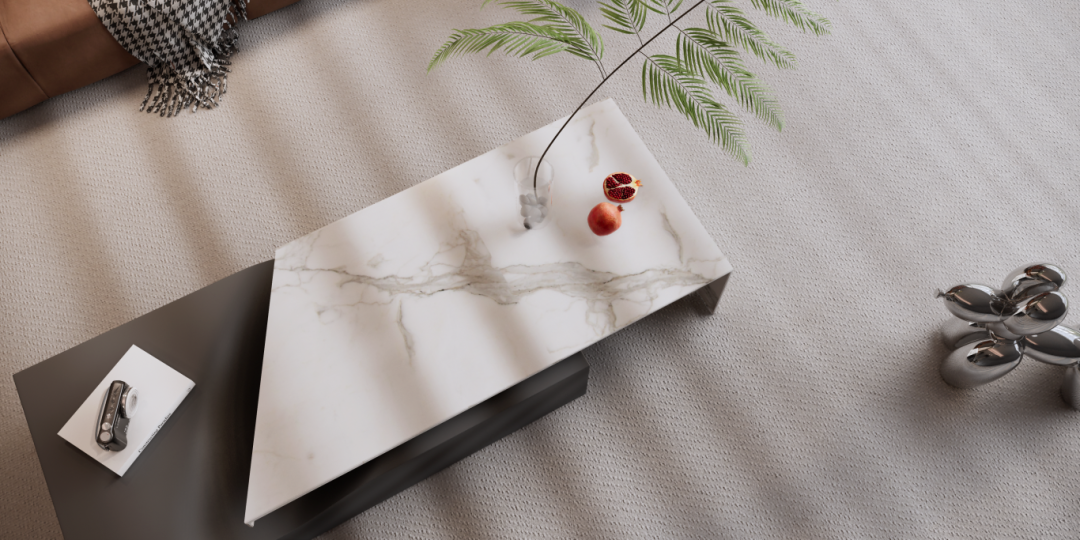
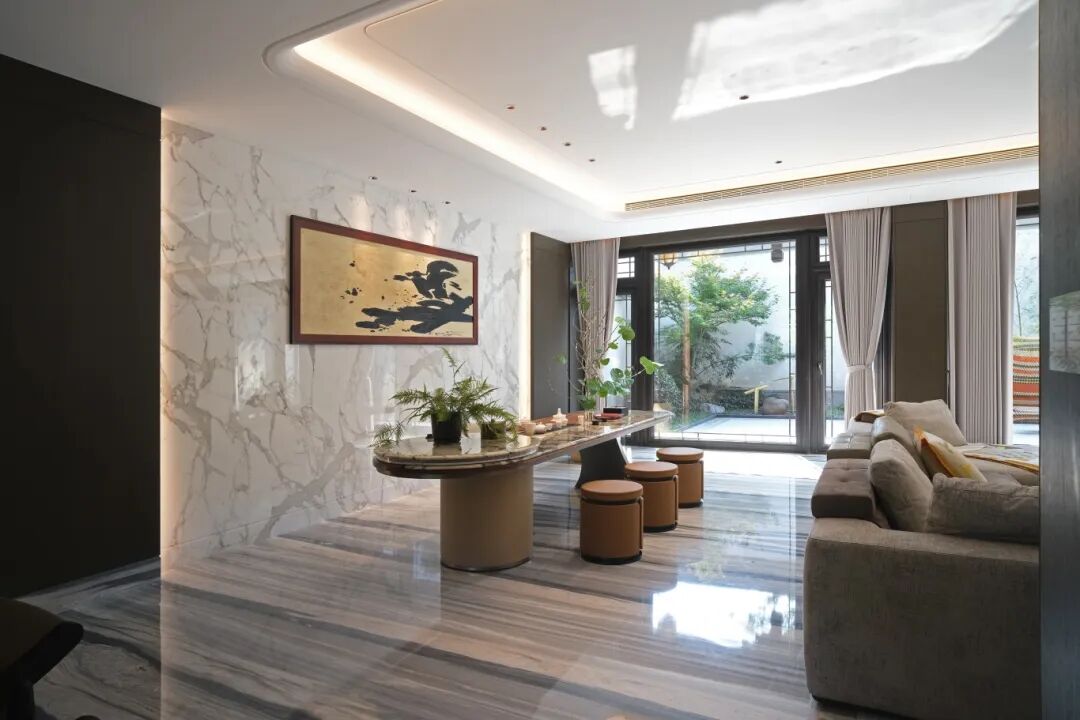
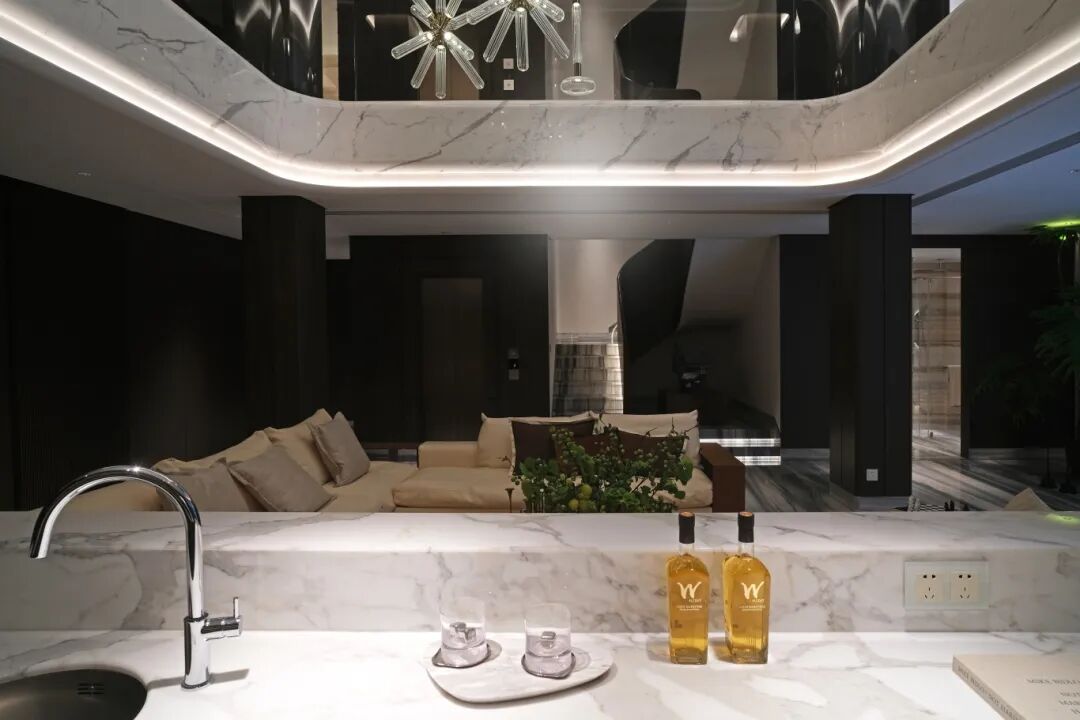
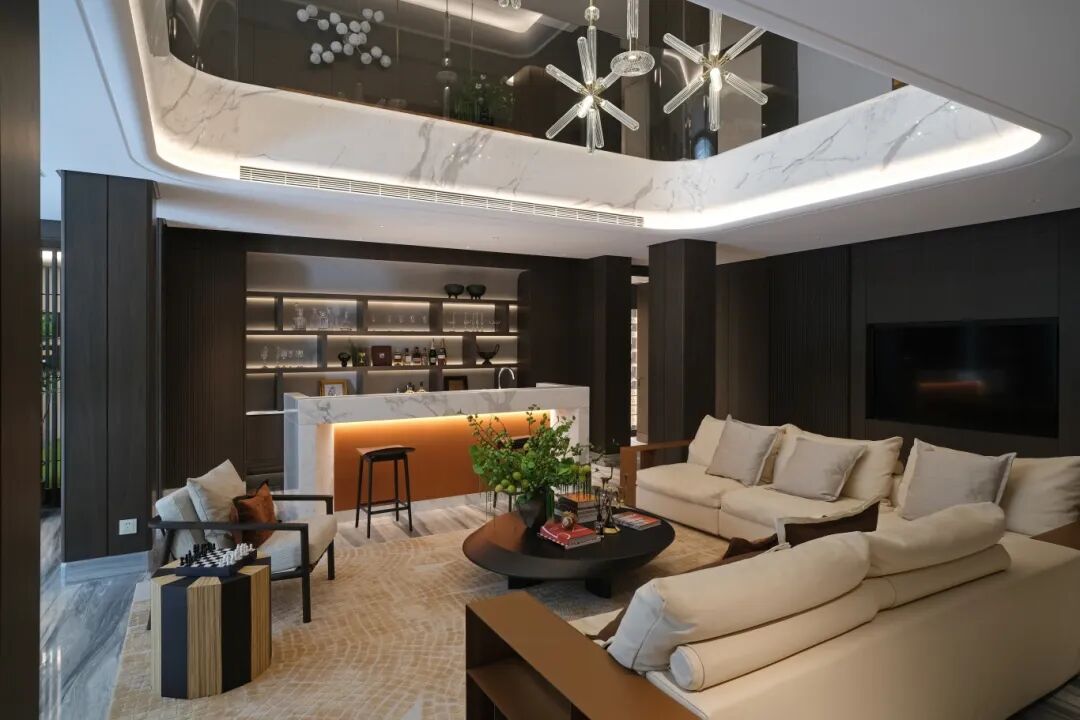
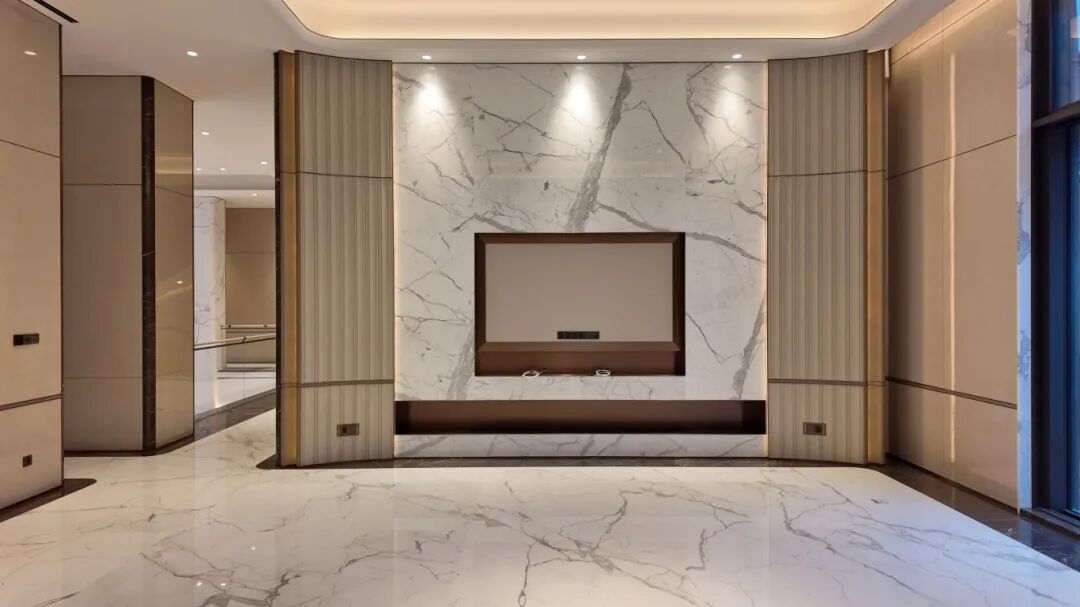
River Black Granite is a stunning natural stone known for its deep black background and flowing silver-white veining. Its visual texture resembles the currents of a river — bold, elegant, and timeless.


Where is it used?
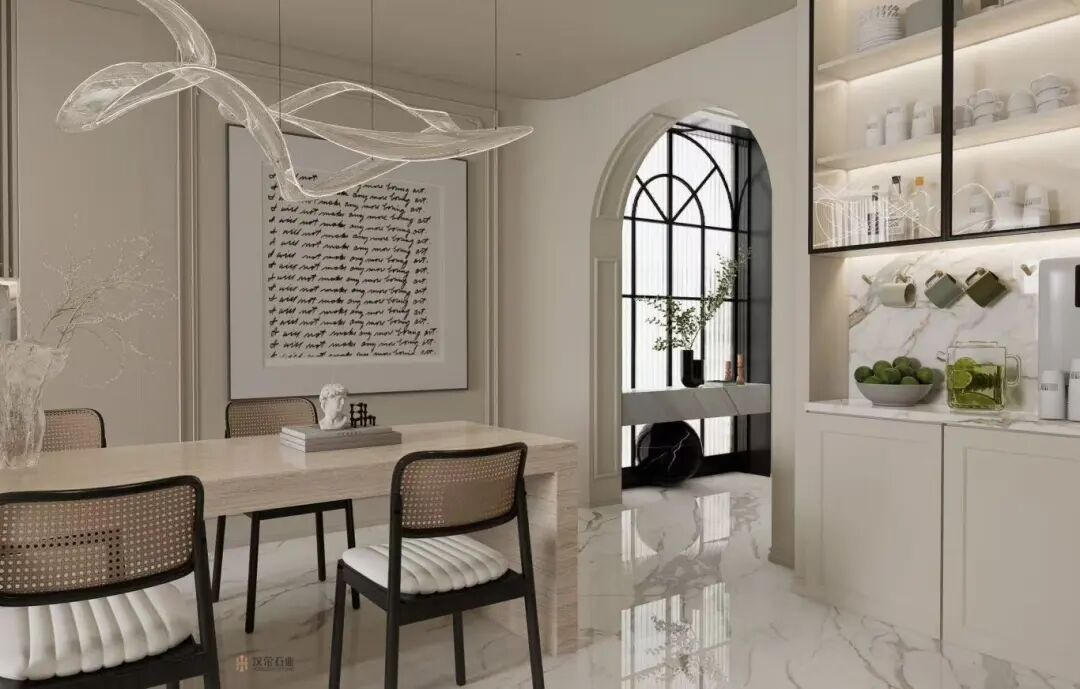
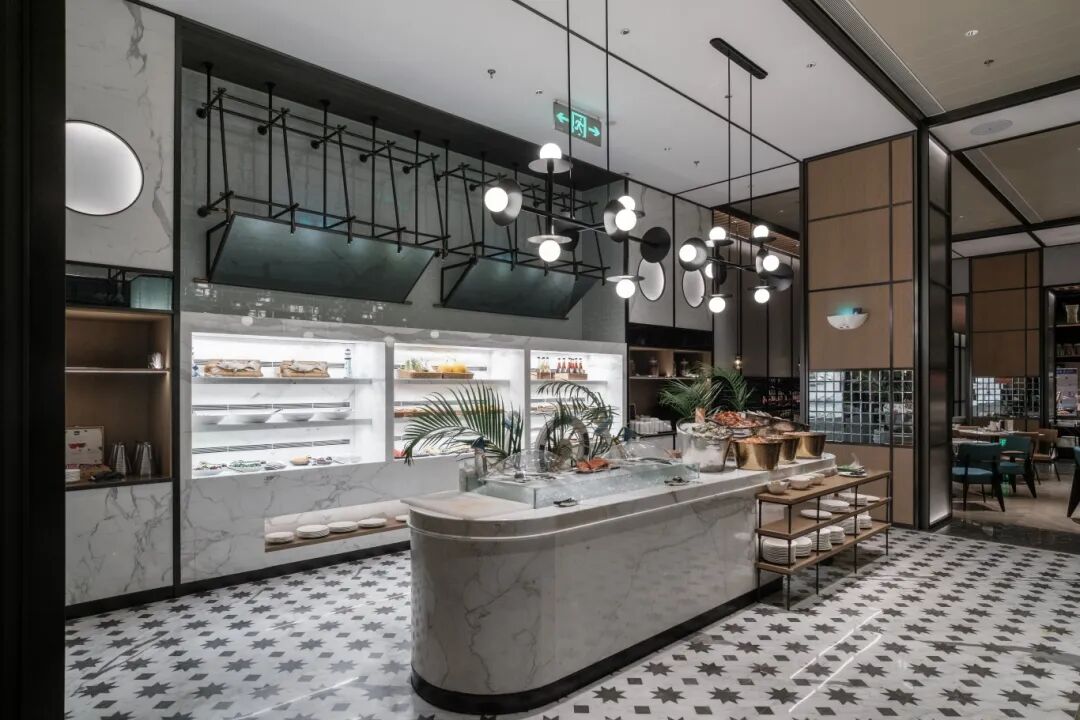
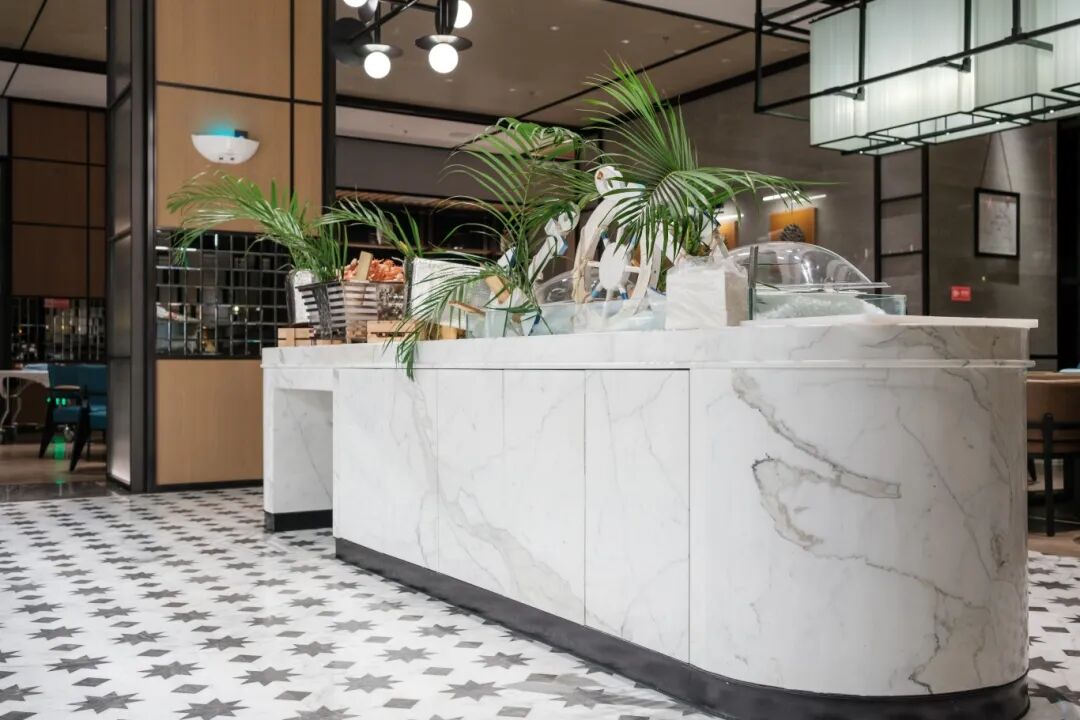
This granite is a favorite for:


Why choose River Black Granite?

  •  Extremely durable

  •  Heat and scratch resistant

  •  Visually unique — each slab is one of a kind

  •  Easy to maintain with minimal sealing


Can I customize it?
Yes! At GOLDTOP STONE, we offer cut-to-size service, free CAD support, and various finishes including polished, honed, and leathered.

Top

The Timeless Elegance of Marble

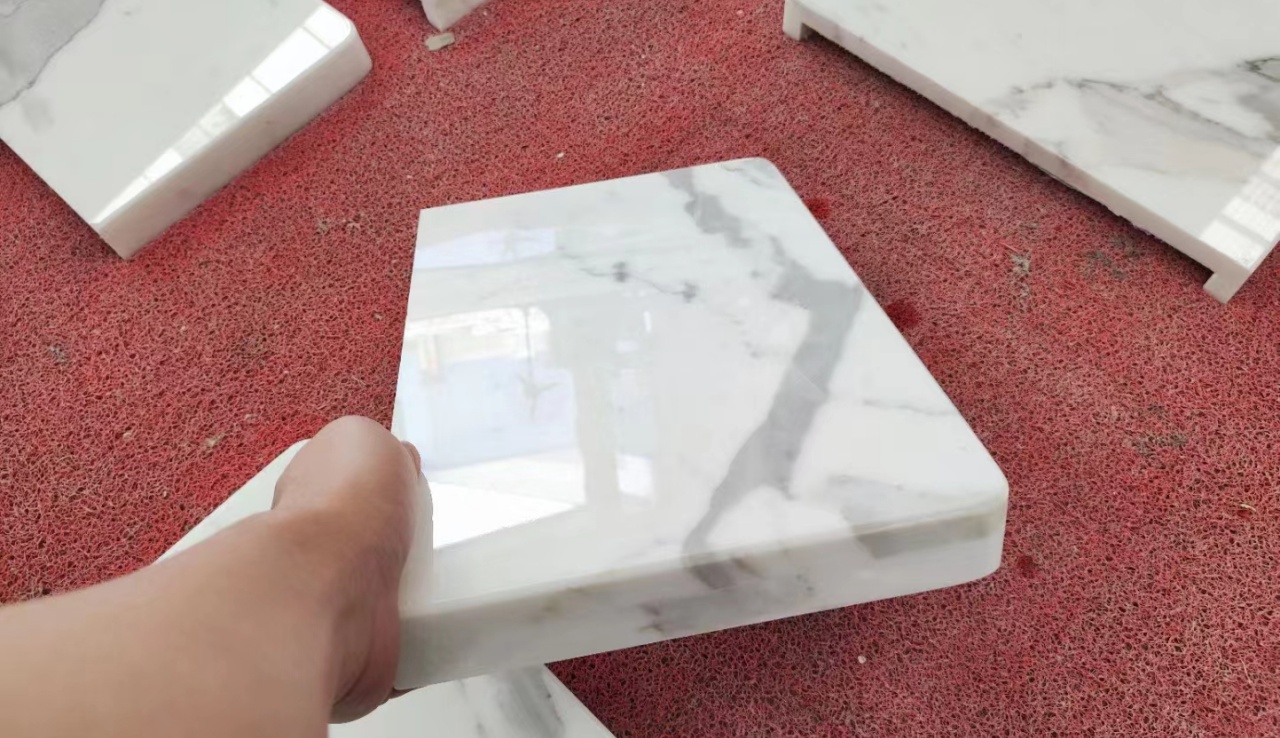
The Timeless Elegance of Marble: Nature’s Perfect Material for Modern Living

Marble, a metamorphic rock forged over millions of years through intense heat and pressure, has been synonymous with luxury and sophistication since ancient times. From the Parthenon’s iconic columns to Michelangelo’s David, this natural stone has shaped human artistry and architecture. Today, marble finds a new purpose in contemporary homes as a versatile material for functional yet elegant organization solutions. Let’s explore why marble is the ultimate choice for modern living and how it elevates everyday storage essentials.


Why Marble Stands Apart?

1. Unmatched Durability

With a Mohs hardness rating of 3-4, marble withstands daily wear while maintaining its refined appearance. Unlike plastic or metals, marble houseware resist scratches and dents, aging gracefully into heirloom-quality pieces. 

2.  Natural Beauty, Unique to You

No two marble slabs are identical. The swirling veins and soft color variations-from classic Carrara white to dramatic Nero Marquina black-ensure every product becomes a one-of-a-kind art piece.  

3. Hygienic & Temperature-Resistant

Marble’s non-porous surface (when properly sealed) repels bacteria and moisture, making it ideal for storing jewelry, cosmetics, or kitchen essentials. Its natural coolness also protects temperature-sensitive items like perfumes or skincare products.  

4. Sustainable Prestige

As a 100% natural material, marble offers an eco-conscious alternative to mass-produced plastics. Its longevity reduces waste, while its timeless design transcends fleeting trends.  


Marble in Action: Houseware Solutions  

We transform this geological wonder into practical organizers that blend form and function:


1. Home Decor with Built-In Luxury

Marble’s weight provides stability for elegant vase, fine photo frame, delicate jewelry, etc, while its smooth surface prevents snagging. Its beautiful textures and colors can give the home a noble atmosphere and a sophisticated appearance.

2. Home Storage Essentials

Water-resistant marble trays organize sundries, small items, perfumes, soap, cotton swabs, and skincare routines without the risk of warping or rust. The material’s anti-fouling performance can bring more comfortable and warm feeling to the home environment.

3.  Kitchen Countertop Saviors

Marble spice jar racks and utensil holders withstand heat from stovetops while keeping cooking essentials within reach. Pro tip: Use smaller marble trays to corral olive oil bottles and salt cellars in style.  


Caring for Your Marble Organizers  

While durable, marble benefits from simple maintenance:  

  • Wipe with a soft, damp cloth; avoid acidic cleaners.
  • Re-seal annually (for high-use items) to maintain water resistance.
  • Use felt pads under objects to prevent scratching.


Why Choose Marble Over Synthetic Materials?

Marble stands as a testament to enduring quality. Unlike factory-made alternatives that crack or fade, marble organizers grow more characterful with time—each tiny patina mark telling your family’s story.  


We hand-select every marble slab to highlight its natural drama. Explore our collection to discover how nature’s oldest luxury material can simplify and elevate your daily routines.  


Top

From Kitchens to Hotels How Taj Mahal Quartzite Became a Global Design Icon

What is Taj Mahal Quartzite Stone?


Among the most revered materials in today’s luxury stone market, Taj Mahal Quartzite Stone stands as a symbol of timeless elegance, structural durability, and versatile design application. Quarried from the deep bedrock of Brazil, which is a country globally recognized for its rich geological diversity, Taj Mahal Quartzite Stone is a high-performance alternative to marble, prized for its creamy tones, subtle veining, and extraordinary hardness.


Taj Mahal Quartzite Stone scanned image


What Makes Taj Mahal Quartzite Stone So Popular?


1. Marble-like Aesthetics, Quartzite Strength


The appeal of Taj Mahal Quartzite Stone lies in its soft, warm beige and ivory base, punctuated by flowing golden or taupe veining. It mimics the luxurious look of Italian Calacatta marble or Statuario marble, but without the vulnerability to scratches, etching, or staining. With a Mohs hardness rating of 7, it outperforms even granite in terms of durability—making it a favorite for both residential and commercial applications.


2. Low Maintenance, High Impact


Taj Mahal Quartzite Stone is inherently dense and less porous than other natural stones. When sealed properly, it offers superior resistance to moisture and household acids, making it ideal for kitchens, bathrooms, bars, and other high-traffic areas.


Taj Mahal Quartzite Stone slabs in stock


Market Response: A Global Bestseller


Taj Mahal Quartzite Stone has shown explosive demand growth in markets such as the United States, Canada, UAE, and Southeast Asia, especially in the premium segment. It’s now considered a top-tier luxury material—regularly specified by high-end architects, interior designers, and real estate developers.


Key factors driving its popularity:


1. Aesthetic versatility: Pairs effortlessly with both warm and cool palettes

2. Design flexibility: Suitable for modern, transitional, and classical interiors

3. Sustainability: As a natural stone, it appeals to eco-conscious consumers seeking alternatives to engineered surfaces


Taj Mahal Quartzite Stone slab in stock


Applications: From Luxury Hotels to Private Residences


1. Residential Interiors


In luxury homes, Taj Mahal Quartzite Stone is often used for:

1) Kitchen countertops and waterfall islands

2) Backsplashes paired with neutral cabinetry

3) Bathroom vanities and full-height shower walls

4) Feature walls and fireplaces


Its understated elegance makes it a favorite among homeowners who want sophistication without loud veining.


Taj Mahal Quartzite Stone in different spaces


2. Commercial & Hospitality Projects


High-end hotel chains and office developers frequently choose Taj Mahal Quartzite Stone for:

1) Lobby reception desks

2) Bar countertops and buffet stations

3) Spa and wellness facilities

4) Elevator lobbies and corridor cladding


Notable projects have included five-star hotels in Dubai, luxury condos in Miami, and corporate headquarters in Singapore—each leveraging the stone’s upscale image.


applications of Taj Mahal Quartzite Stone


3. Custom Furniture & Millwork

Designers are now integrating Taj Mahal Quartzite Stone into custom dining tables, coffee tables, and even furniture inlays, giving projects a bespoke and high-value finish.


Comparison with Other Stones

Stone Type Appearance Durability Maintenance Price Range
Taj Mahal Quartzite Warm ivory with soft veining ★★★★★ ★★★★☆ $$$$
Calacatta Marble White with bold veins ★★☆☆☆ ★★☆☆☆ $$$$$
White Granite Cool white, speckled ★★★★☆ ★★★★☆ $$$
Engineered Quartz Uniform color, man-made ★★★☆☆ ★★★★★ $$


Taj Mahal Quartzite Stone occupies a unique position—it delivers marble-like beauty with granite-like strength, making it a smart investment for long-term performance and design appeal.


Why Taj Mahal Quartzite Stone Is Here to Stay?


In an era where design trends come and go, Taj Mahal Quartzite Stone offers a rare combination: natural beauty, performance, and versatility. It’s no surprise that it has become a cornerstone in luxury stone portfolios worldwide.

For architects, designers, and builders looking to balance aesthetic sophistication with functionality, Taj Mahal Quartzite Stone from Brazil remains a top recommendation—a stone that lives up to its name.


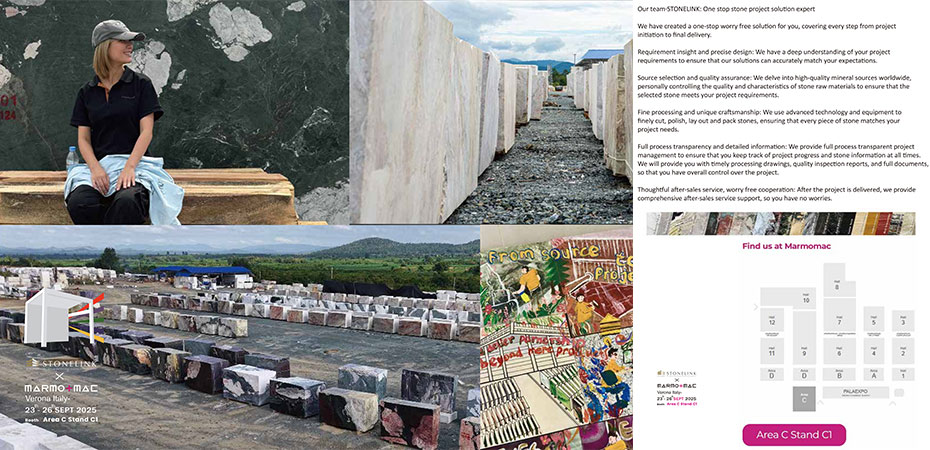
STONELINK: Your Trusted Source for Premium Quartzite


As a global supplier with direct access to Brazilian quarries, STONELINK offers consistent stock, competitive pricing, and expert support for your next project. Whether you're sourcing for a boutique hotel or a private residence, we ensure quality and efficiency every step of the way.

Contact us today to receive samples, technical data, or project consultation.

Top

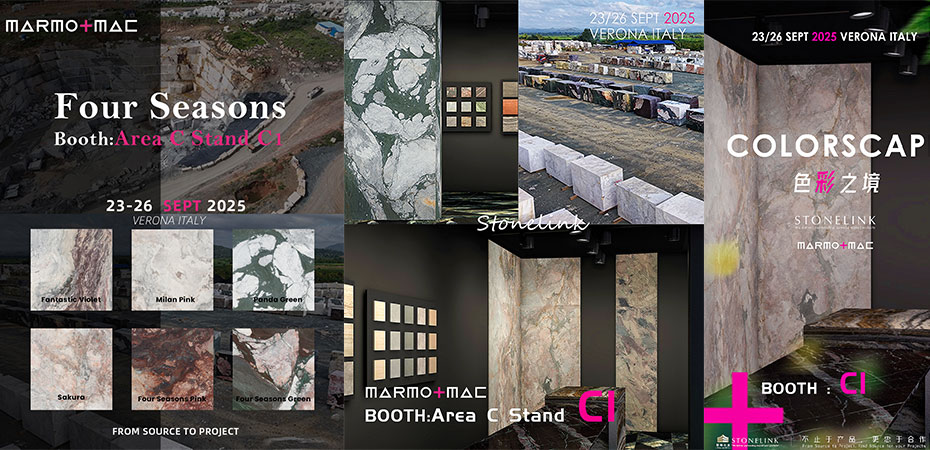
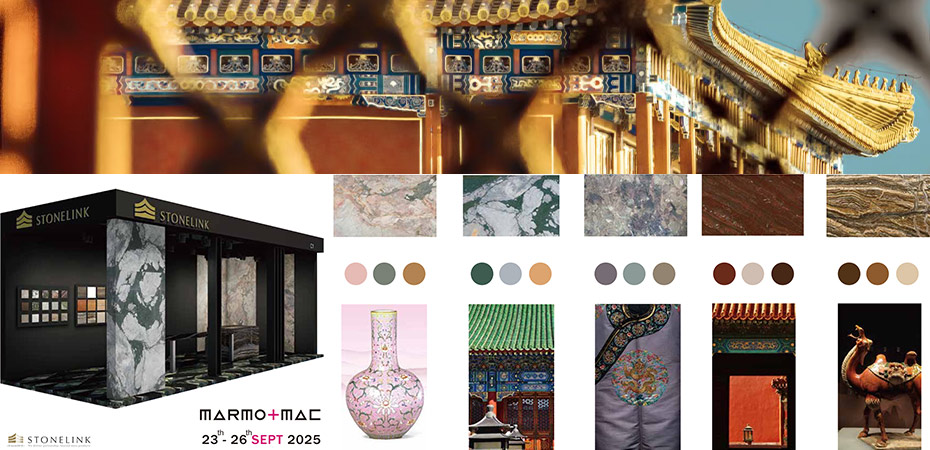
STONELINK 2025 New Collection | Four Seasons Green Marble

STONELINK 2025 Featured Marble | The Most Iconic of the Four Seasons Green Marble Series


Art of Nature · Beauty Through Seasons: A Symphony of Color and Texture — Redefining Natural Stone in Contemporary Design


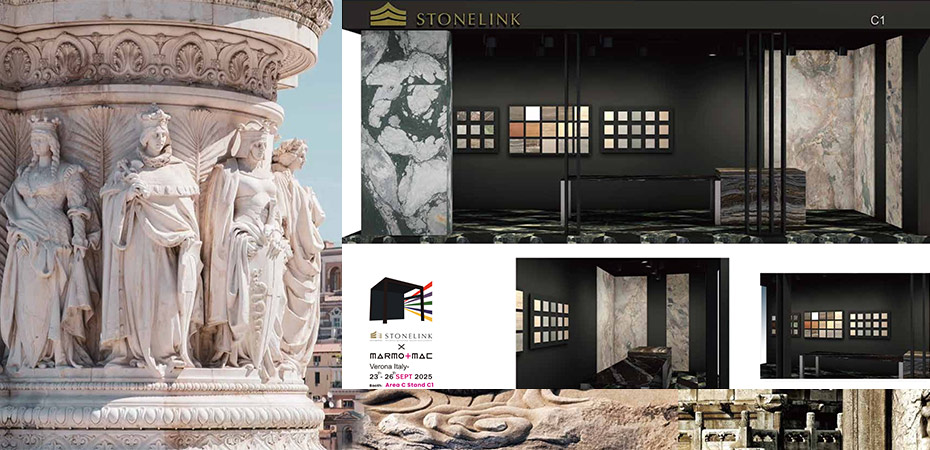
STONELINK believes every piece of natural stone carries a story not of age, but of inspiration. In 2025, we proudly present the most iconic edition of our Cambodian-sourced “Four Seasons Green Marble” series—an exquisite material that transforms spatial design with vibrant expression and refined tactility.


STONELINK Four Seasons Green Marble


Visual Identity: Vivid Colors · Interwoven Veins · Luxurious Texture

Four Seasons Green Marble reveals a compelling palette where deep forest greens intertwine with crimson reds, soft blush tones, ivory whites, and golden ochres. Its intricate veining evokes painterly strokes layered on a natural canvas—bold yet composed, refined yet commanding. From intimate texture to full-scale visual impact, its rhythm and tension are effortlessly captivating.


Applications in Different Spaces


Living Room: A Statement of Art and Atmosphere

Used across living room feature walls or flooring, Four Seasons Green Marble naturally commands attention as a focal element. Its rich tonal compositions and fluid abstract veining add depth and emotional gravity, transforming the room into a curated gallery of sophisticated ambiance.


Four Seasons Green Marble in Living Room


Dining Area: Where Atmosphere Meets Material Harmony

As tabletops, wall claddings, or flooring in the dining area, Four Seasons Green Marble fosters a rich yet balanced atmosphere. It elevates the ritual of dining with understated grandeur, offering a visual dialogue where natural elegance meets cultural refinement.


Kitchen: Where Aesthetic Meets Utility

For kitchen use—as an island top, backsplash, or cabinetry front—Four Seasons Green Marble delivers both durability and charm. Its richly saturated tones break the monotony often found in utilitarian areas, blending practicality with elevated artistry.


Four Seasons Green Marble in Dining Room


Bedroom: Serenity with Strength

As a headboard accent or wall insert in the bedroom, Four Seasons Green Marble brings an intimate drama. Its nuanced tonal shifts interact gently with light, delivering a mood that balances serenity with a quietly powerful presence.


Four Seasons Green Marble in Bedroom


Bathroom: A Sanctuary of Natural Luxury

Whether as a vanity surface, bathtub cladding, or a full accent wall, Four Seasons Green Marble redefines bathroom spaces with primal elegance. It transforms everyday routines into sensory rituals, where natural textures and modern aesthetics coalesce.


Four Seasons Green Marble in Bathroom


Four Seasons Green Marble: More Than a Material, It’s a Manifestation of Spatial Spirit

Four Seasons Green Marble is not a passive background—it’s a protagonist in the narrative of space. Its chromatic richness and textured vocabulary offer unparalleled poetic presence within architectural language. At STONELINK, we present this Cambodian gem with curated precision and artisanal craftsmanship, establishing it as a modern icon of natural stone elegance.


For sample requests, design collaboration, or partnership inquiries, please contact STONELINK through our official channels.

Top

Do bathroom stones need special treatments for water resistance?

Yes, stones used in bathrooms do require special treatments to enhance water resistance and prevent damage over time. Bathroom stones are constantly exposed to moisture, soap, and cleaning chemicals, which can lead to staining, etching, and deterioration if not properly sealed and maintained. Below are the key steps to treat and protect bathroom stones effectively:

natural marble stone bathtub

1. Choose the Right Stone for Bathroom Use


Best Stones for Wet Areas:

-Granite – Naturally water-resistant and durable.

-Quartzite – Hard and less porous than marble.

-Porcelain/Engineered Stone – Non-porous and highly resistant to moisture.

-Sintered Stone – Naturally water-resistant but should still be sealed.

bathroom set

Avoid or Take Extra Care With:

-Marble & Travertine – More porous and prone to etching from acidic cleaners.

-Limestone – Absorbs water easily and can stain.

2. Apply a High-Quality Sealer


Why Seal?

-Prevents water absorption, mold, and mineral deposits.

-Protects against stains from soap, shampoo, and cosmetics.


Types of Sealers:

-Penetrating Sealers (Best for natural stone) – Soak into the stone to repel water.

-Topical Sealers (For extra protection) – Create a protective film on the surface.

How Often to Seal?

-Granite/Quartzite: Every 1–2 years.

-Marble/Limestone: Every 6–12 months.

-Test for Re-Sealing: Sprinkle water on the surface—if it darkens, it’s time to reseal.

3. Proper Cleaning & Maintenance


Daily/Weekly Cleaning:

-Use a pH-neutral stone cleaner (avoid vinegar, bleach, or ammonia).

-Wipe spills immediately to prevent staining.

Deep Cleaning:

-For soap scum/hard water stains, use a stone-safe cleaner or a mild dish soap solution.

-Avoid abrasive scrubbers that can scratch the surface.

4. Prevent Water Pooling & Humidity Damage


Use Bath Mats & Proper Drainage:

-Place absorbent mats near showers/tubs to reduce standing water.

-Ensure proper slope in shower floors for drainage.

Ventilation:

-Run exhaust fans during/after showers to reduce humidity.

-Open windows when possible to allow airflow.


5. Repair & Restore Damaged Stone


Etching (Dull Spots):

-For marble/limestone, use a polishing powder or hire a professional.

Stains:

-For oil-based stains, use a poultice (clay-based cleaner).

-For hard water stains, try a stone-safe descaler.

Conclusion

To ensure bathroom stones last long and resist water damage:

✔ Choose low-porosity stones like granite or quartzite.

✔ Seal regularly with a penetrating sealer.

✔ Clean properly with stone-safe products.

✔ Control humidity & standing water.

✔ Repair damage early to prevent worsening.

By following these steps, your bathroom stone will stay beautiful and functional for years.

Plsease contact with me if you are interested in our natural marble stone for bathroom, email: may@risingfortunetrading.com, WhatsApp/ WeChat: 0086 18150018770

stone supplier

Top

Granite Mortar and Pestle Set

A granite mortar and pestle set is a durable and effective tool for grinding, crushing, and mixing herbs, spices, grains, and other ingredients. Granite is a popular material for mortar and pestle sets because of its hardness, natural texture, and ability to withstand heavy use without wearing down.

granite pestle and mortar with base by silk route

Key Features of a Granite Mortar and Pestle Set:

Durable & Long-LastingGranite is extremely hard and resistant to chipping or cracking.

Non-Porous Surface – Unlike some softer stones, granite doesn’t absorb flavors or odors.

Excellent Grinding Power – The rough interior texture helps efficiently crush spices, seeds, and herbs.

Natural & Chemical-Free – No coatings or artificial materials, making it safe for food preparation.

Heavy & Stable – The weight prevents slipping during use.

kitchen granite mortar and pestle

Common Uses:

Grinding whole spices (peppercorns, cumin, coriander)

Making pastes (garlic, ginger, curry pastes)

Crushing herbs (basil, thyme, rosemary)

Preparing guacamole, pesto, or nut butters

Powdering dried ingredients (salt, dried chilies)

Care & Maintenance:

Season Before First Use: Grind white rice or coarse salt to remove any stone dust.

Cleaning: Rinse with warm water (avoid soap if possible) and air dry.

Avoid Dishwashers: Harsh detergents and high heat can damage the stone over time.

Storage: Keep in a dry place to prevent moisture absorption.

Buying Considerations:

Size: Choose based on your needs (small for spices, large for pastes).

Texture: A slightly rough interior improves grinding efficiency.

Weight: Heavier mortars stay in place better.

Top

Happy Women's Day

Every year, International Women’s Day is observed on March 8 to celebrate women, their rights and their achievements. IWD began in the 1900s, and according to its website, “a global day celebrating the social, economic, cultural and political achievements of women. The day also marks a call to action for accelerating women’s equality”.

happy women's day


Every woman is powerful and worthy of respect. Prepare a special gift for this special holiday.

Top

How do I choose the right stone based on interior design style?

Choosing the right stone for your interior design style can enhance the aesthetic appeal, functionality, and overall harmony of your space. Here’s a guide to selecting the best stone types for different design styles:

natural marble stone

1. Modern/Contemporary Style

Key Features: Clean lines, minimalism, neutral tones, and sleek surfaces.

Recommended Stones:

- Polished Marble (Carrara, Statuario, Calacatta): Adds luxury and elegance with subtle veining.

- Quartz (Engineered Stone): Low-maintenance, available in solid colors or marble-like patterns.

- Granite (Polished, Honed): Sleek and durable, ideal for countertops in neutral tones.

- Onyx: Translucent and dramatic, perfect for backlit feature walls or bars.

Best Uses: Countertops, flooring, statement walls, and fireplace surrounds.


2. Rustic/Farmhouse Style

Key Features: Natural textures, warmth, earthy tones, and a lived-in feel.

Recommended Stones:

- Sintered Stone: Textured and rugged, great for flooring and fireplace surrounds.

- Travertine: Natural pits and warm tones suit rustic kitchens and bathrooms.

- Limestone: Soft, matte finish that ages beautifully.

- Flagstone: Irregular shapes for patios, pathways, or feature walls.

Best Uses: Flooring, backsplashes, outdoor spaces, and fireplace facades.


3. Classic/Traditional Style

Key Features: Elegance, symmetry, rich details, and timeless appeal.

Recommended Stones:

- Marble (Carrara, Emperador, Nero Marquina): Classic veining for floors, countertops, and columns.

- Granite (Leathered or Brushed Finish): Adds depth without being too glossy.

- Soapstone: Smooth, matte finish ideal for traditional kitchens.

- Terrazzo: Vintage yet sophisticated for flooring and countertops.

Best Uses: Grand staircases, fireplace mantels, wainscoting, and formal dining areas.


4. Industrial Style

Key Features: Raw materials, exposed structures, and a utilitarian vibe.

Recommended Stones:

- Concrete (Polished or Stained): Mimics industrial lofts, great for countertops and floors.

- Basalt or Bluestone: Dark, dense, and durable for tabletops and flooring.

- Reclaimed Brick or Stone: Adds a weathered, warehouse-like texture.

- Black Granite: Sleek yet rugged for kitchen islands.

Best Uses: Countertops, flooring, exposed feature walls, and bar tops.


5. Scandinavian Style

Key Features: Light, airy spaces, natural wood, and simplicity.

Recommended Stones:

- Light Marble (Carrara): Soft veining complements neutral palettes.

- Quartz (White or Light Gray): Minimalist and easy to maintain.

- Pebble Tiles: Natural texture for bathroom floors or shower walls.

Best Uses: Kitchen countertops, bathroom vanities, and fireplace surrounds.


6. Bohemian/Eclectic Style

Key Features: Bold colors, mixed patterns, and global influences.

Recommended Stones:

- Mosaic Tiles (Moroccan, Terrazzo): Vibrant and textured for backsplashes.

- Semi-Precious Stones (Lapis Lazuli, Malachite): Luxe accents in countertops or decor.

- Tumbled Marble: Soft, aged look for a relaxed vibe.

Best Uses: Feature walls, tabletops, and decorative inlays.


Final Tips for Selection:

- Consider Durability: High-traffic areas need hard stones like granite or quartz.

- Maintenance: Marble requires sealing; quartz is low-maintenance.

- Lighting: Dark stones absorb light; light stones make spaces feel larger.

- Budget: Engineered quartz is cost-effective; natural stones like marble are premium.


By matching the stone to your design style, you can create a cohesive and stunning interior that reflects your personal taste while ensuring practicality. Let me know if you need specific recommendations for a project!


If you are interested in our marble/ onyx/ terrazzo stones, and want to know more information, pls email to: may@risingfortunetrading.com, or contact my WhatsApp/ WeChat: +86 18150018770

marble stone supplier

Top

Marble Vanity Wash Basin Sink with Cabinets

marble vanity wash basin sink with cabinets is a luxurious and elegant addition to any bathroom, combining functionality with high-end aesthetics. Here’s a breakdown of its features, benefits, and considerations:

calacatta vilola marble sink cabinet

Features:

1. 

Material:

Marble Top: Natural marble (like Carrara, Calacatta Viola, or Nero Marquina) offers a premium, veined look. It’s durable but requires sealing to prevent stains.

Cabinets: Typically made of wood (solid wood, MDF, or plywood) with a moisture-resistant finish. Some may have marble or stone exteriors for a seamless look.

2. 

Design Options:

Freestanding or Wall-Mounted: Depending on bathroom layout.

Single or Double Sink: For master bathrooms or shared spaces.

Undermount, Drop-in, or Vessel Sink: Marble basins can be integrated or sit atop the vanity.

Open Shelving or Closed Cabinets: For storage flexibility.

3. 

Storage:

Soft-close drawers/door mechanisms.

Adjustable shelves for organization.

Built-in towel racks or pull-out trays.

4. 

Faucet Compatibility:

Pre-drilled holes for single or widespread faucets.

Wall-mounted faucets for a sleek look (if undermount sink).


Benefits:

✔ Luxurious Aesthetic – Marble adds sophistication and timeless appeal.
✔ Durability – Properly sealed marble resists wear and water damage.
✔ Customization – Available in various sizes, finishes (polished, honed), and edge profiles.
✔ Increased Home Value – High-end materials elevate property appeal.

Considerations:

Maintenance: Marble is porous—regular sealing is needed to avoid stains from water, cosmetics, or acids.
Cost: More expensive than quartz, ceramic, or laminate alternatives.
Weight: Requires sturdy flooring/substructure for support.

marble sink cabinet

Popular Styles:


Modern Minimalist: Sleek white marble with handle-less cabinets.


Classic Traditional: Ornate carvings and dark wood bases.


Industrial Chic: Matte marble with metal-framed cabinets.


If you are interested in our natural marble vanity wash basin sink with cabinets, please email to: may@risingfortunetrading.com, or Wechat/WhatsApp: 0086 18150018770.
marble vanity cabinet supplier


Top

Natural vs Artificial Stone for Bathrooms

When choosing between natural and artificial stone for bathrooms, it’s important to understand the differences, pros, and cons of each. Here’s a detailed comparison to help you decide:


Natural Stone

Natural stone is quarried directly from the earth and includes materials like marble, granite, limestone, travertine, and slate.


Pros:

1. Unique Aesthetic: Each piece of natural stone has unique patterns, colors, and textures, offering a one-of-a-kind look.

2. Durability: Stones like granite are highly durable and resistant to scratches and heat.

3. Longevity: With proper care, natural stone can last for decades.

4. Adds Value: Natural stone can increase the resale value of a home due to its premium appeal.


Cons:

1. Porosity: Many natural stones are porous and require sealing to prevent staining and water damage.

2. Maintenance: Regular sealing and cleaning are necessary to maintain its appearance.

3. Cost: Natural stone is generally more expensive than artificial stone.

4. Variability: Natural variations in color and texture can make it harder to achieve a uniform look.


Artificial Stone

Artificial stone, also known as engineered stone, is made from a combination of natural materials (like quartz or crushed stone) and resins or polymers. Popular examples include quartz, solid surface, and acrylic-based materials.


Pros:

1. Consistency: Artificial stone offers a uniform appearance, making it easier to match slabs for a cohesive look.

2. Non-Porous: Materials like quartz are non-porous, making them highly resistant to stains, bacteria, and water damage.

3. Low Maintenance: Requires minimal upkeep compared to natural stone.

4. Cost-Effective: Generally more affordable than natural stone.

5. Customizable: Available in a wide range of colors and patterns.


Cons:

1. Less Unique: Lacks the natural variations and uniqueness of natural stone.

2. Heat Sensitivity: Some artificial stones can be damaged by high heat.

3. Durability: While durable, it may not be as hard as natural stones like granite.

4. Environmental Impact: The production process involves resins and polymers, which may not be as eco-friendly as natural stone.


Best Types of Stones for Bathrooms

Bathrooms require materials that are water-resistant, durable, and easy to clean. Here are the best options:


Natural Stone Options:

1. Granite: Highly durable, water-resistant, and available in a variety of colors. Requires sealing.

2. Marble: Luxurious and elegant, but porous and prone to staining. Best for low-moisture areas like vanity tops.

3. Sintered Stone: Naturally slip-resistant and durable, making it ideal for bathroom floors.

4. Travertine: Offers a warm, natural look but requires regular sealing.


Artificial Stone Options:

1. Quartz: Non-porous, low-maintenance, and available in a wide range of colors and patterns. Ideal for countertops and walls.

2. Solid Surface: Seamless and easy to clean, but less durable than quartz. Suitable for vanity tops.

3. Porcelain: Highly water-resistant and durable, making it a great choice for floors and walls.


Recommendation

- For Countertops and Vanities: Quartz (artificial) is the best choice due to its non-porous nature, low maintenance, and durability. Granite (natural) is a close second if you prefer a unique, high-end look.

- For Floors: Slate (natural) or porcelain (artificial) are excellent options due to their slip resistance and water resistance.

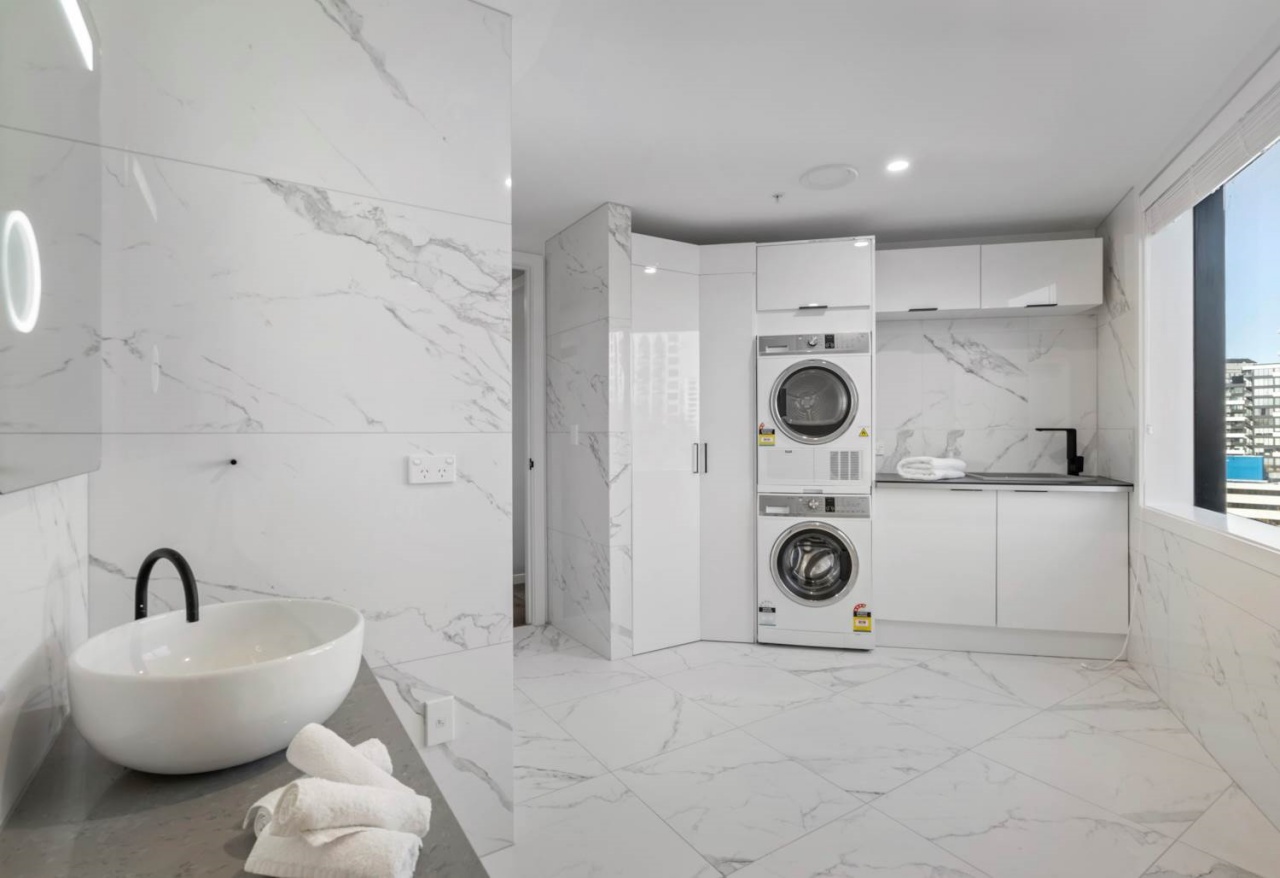
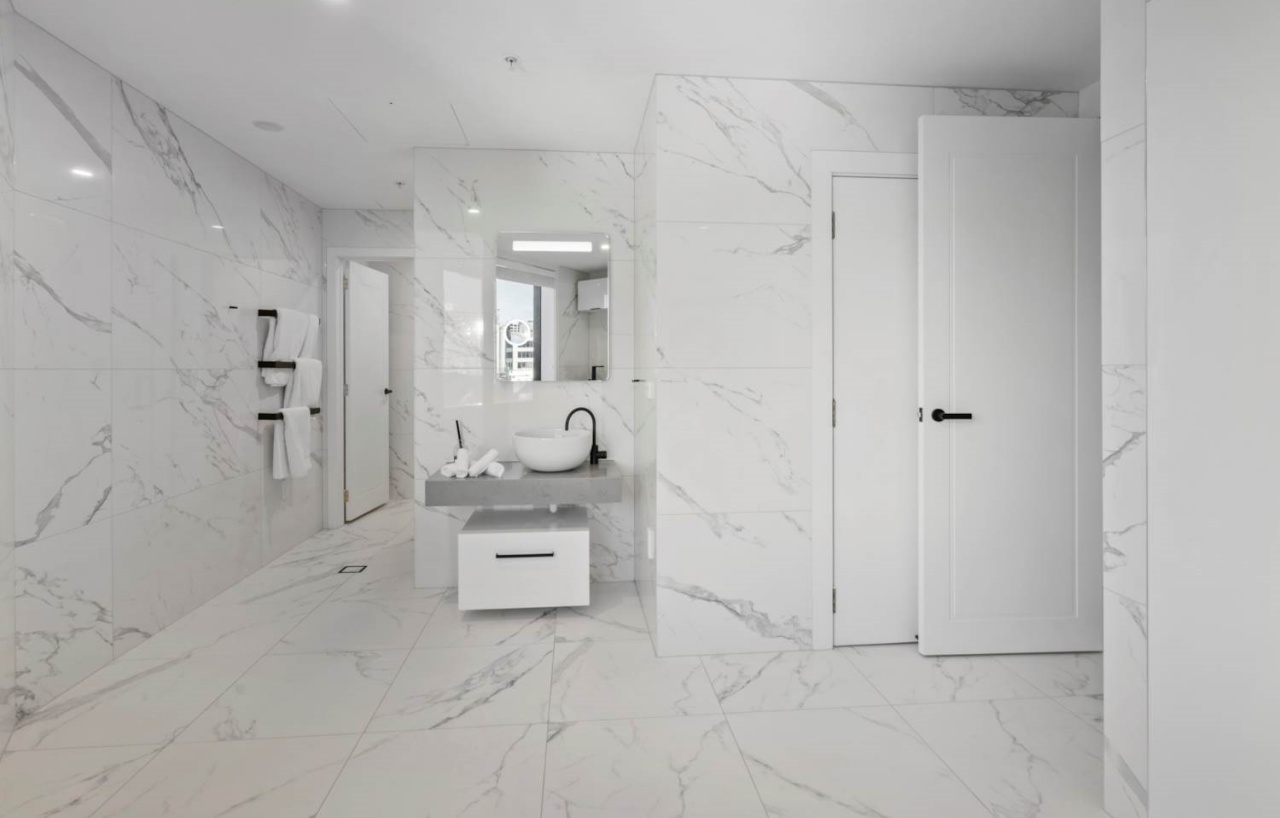
- For Walls: Marble (natural) for a luxurious look or quartz (artificial) for a practical, low-maintenance option.


Ultimately, the choice depends on your budget, design preferences, and willingness to maintain the material. If you prioritize durability and low maintenance, artificial stone (especially quartz) is often the better choice for bathrooms. If you value uniqueness and are willing to invest in upkeep, natural stone can provide a timeless, elegant look.


If you want to know more information about our stone, pls email via: may@risingfortunetrading.com, or whatsapp/ wechat: 086 18150018770.

Top