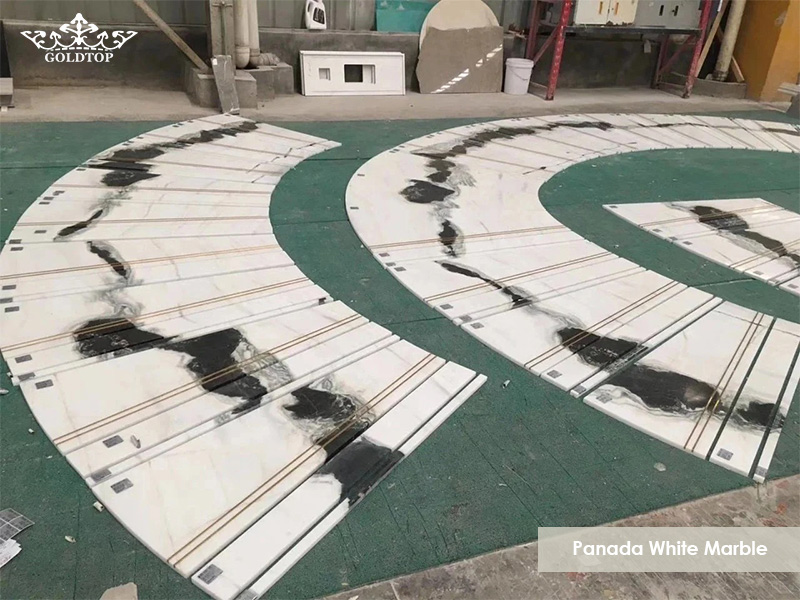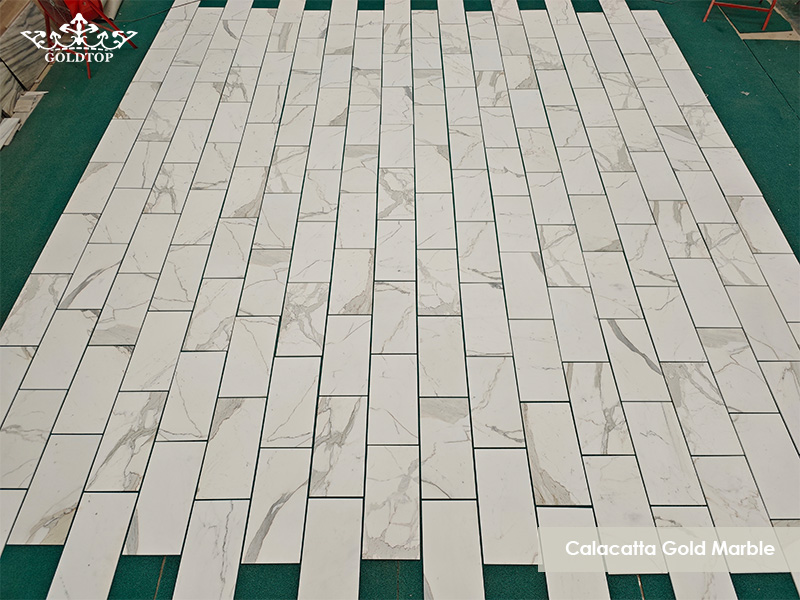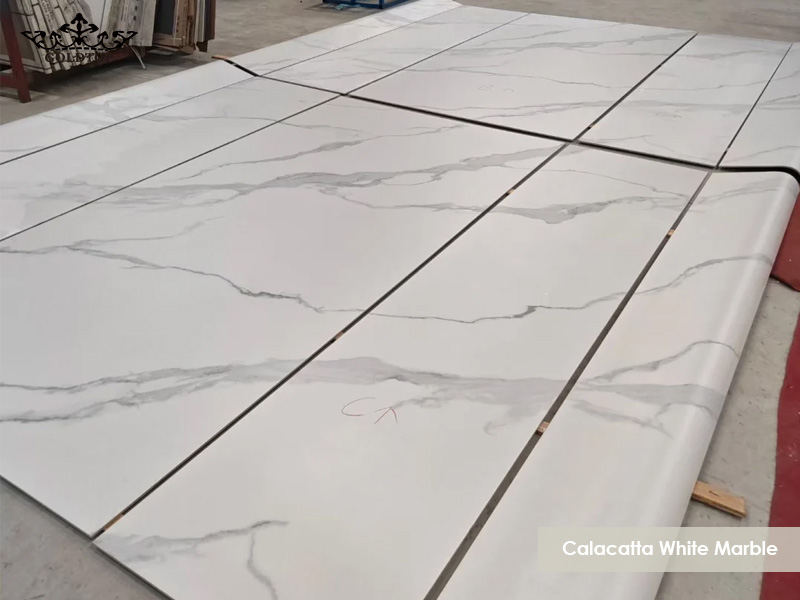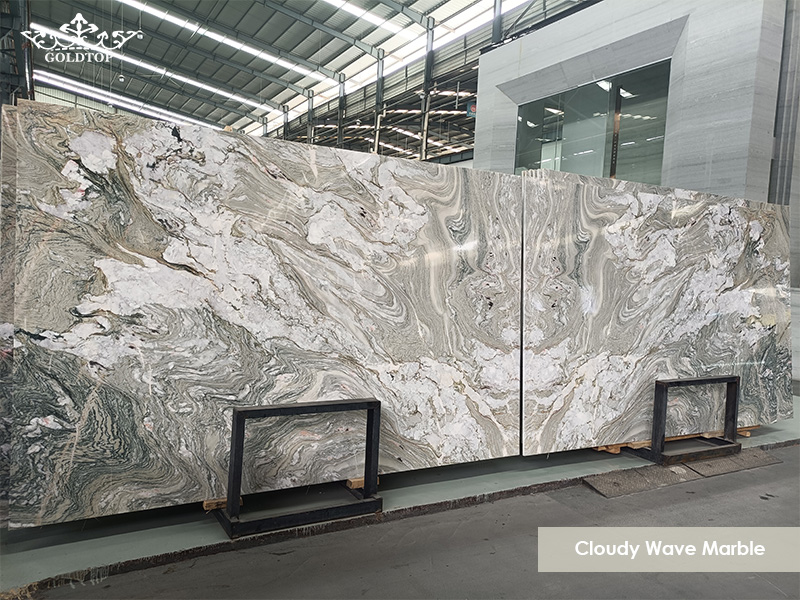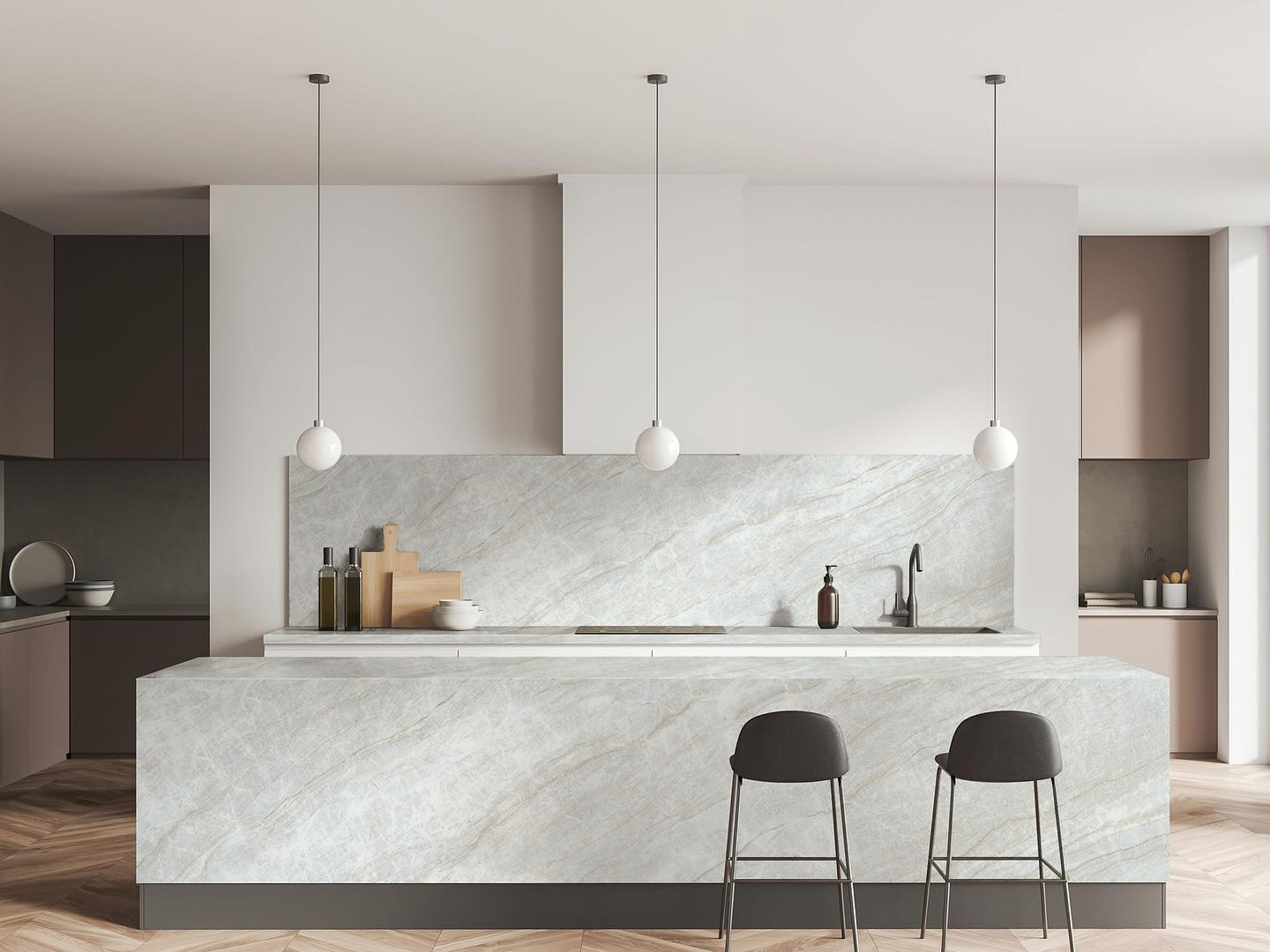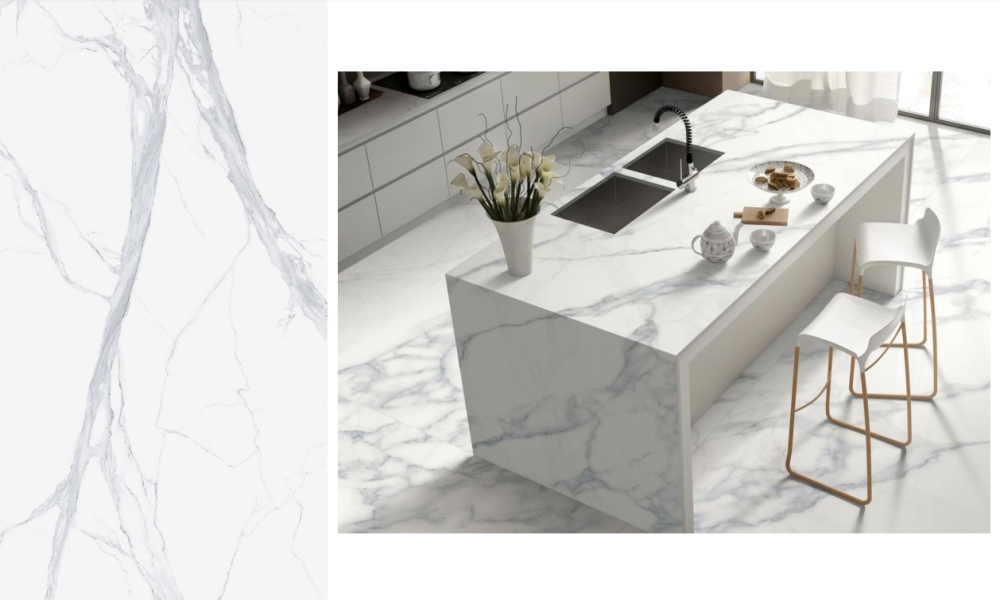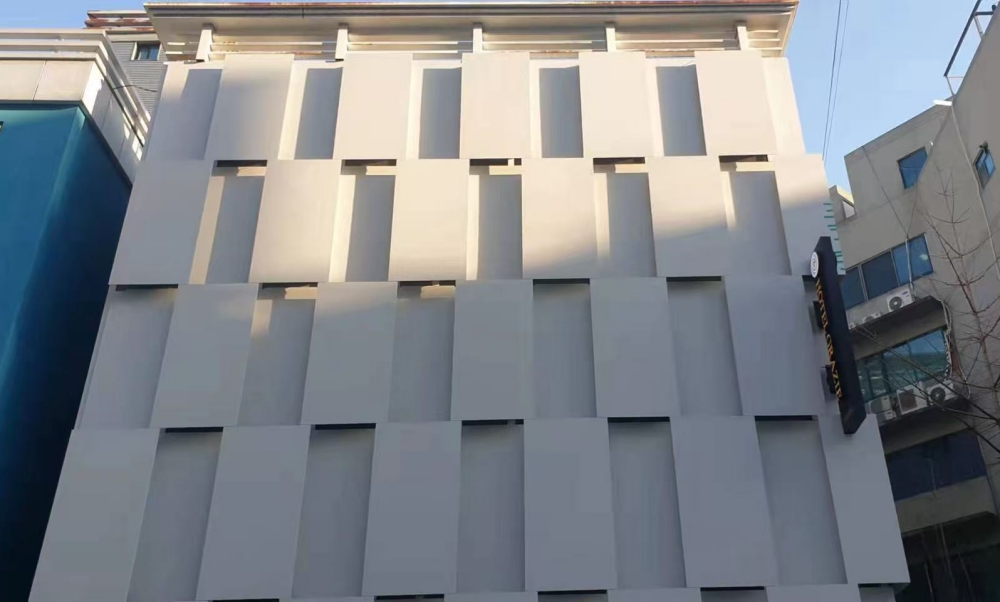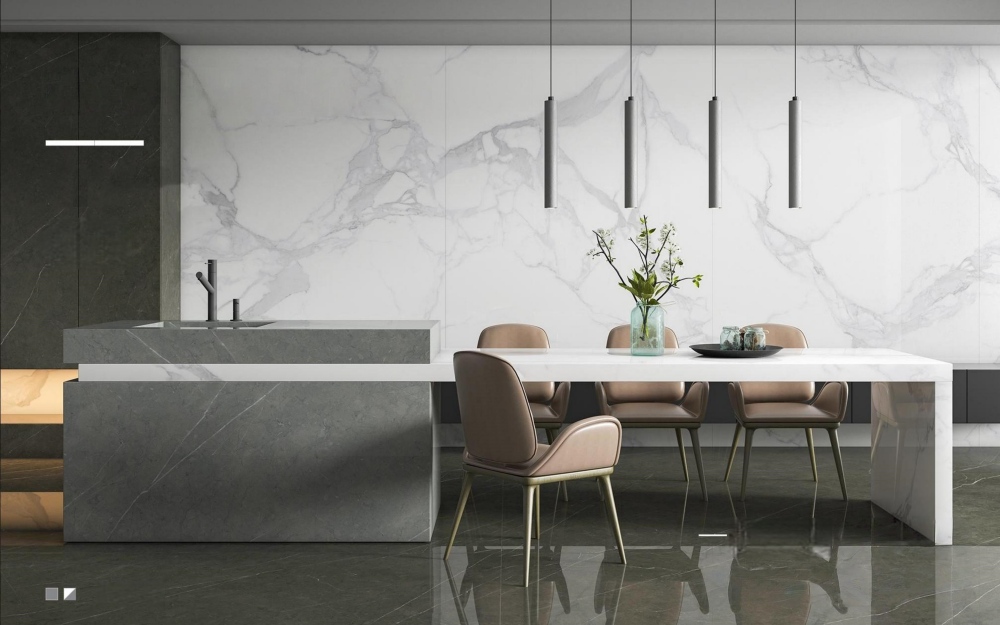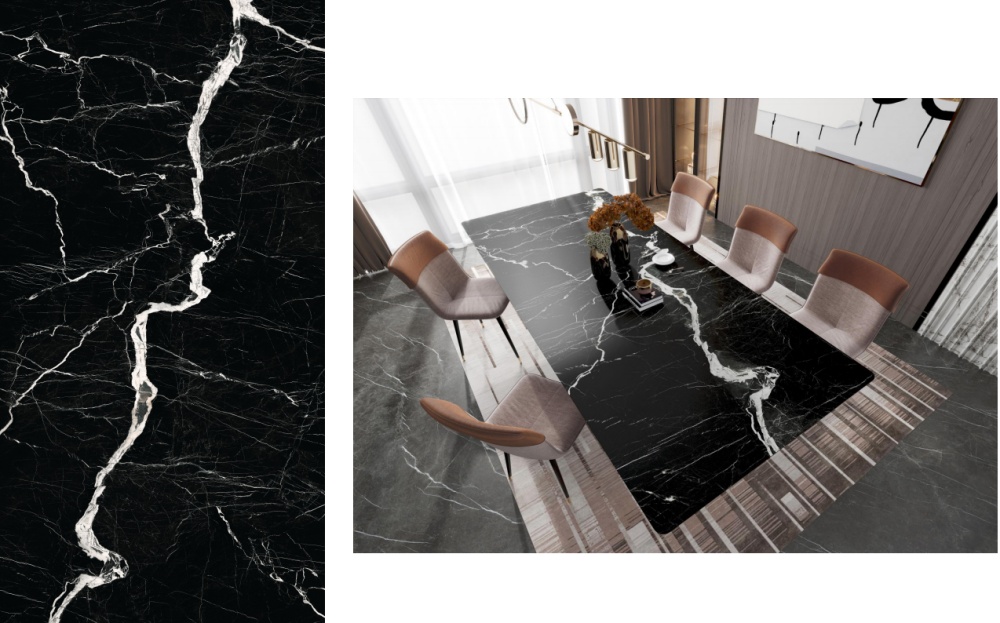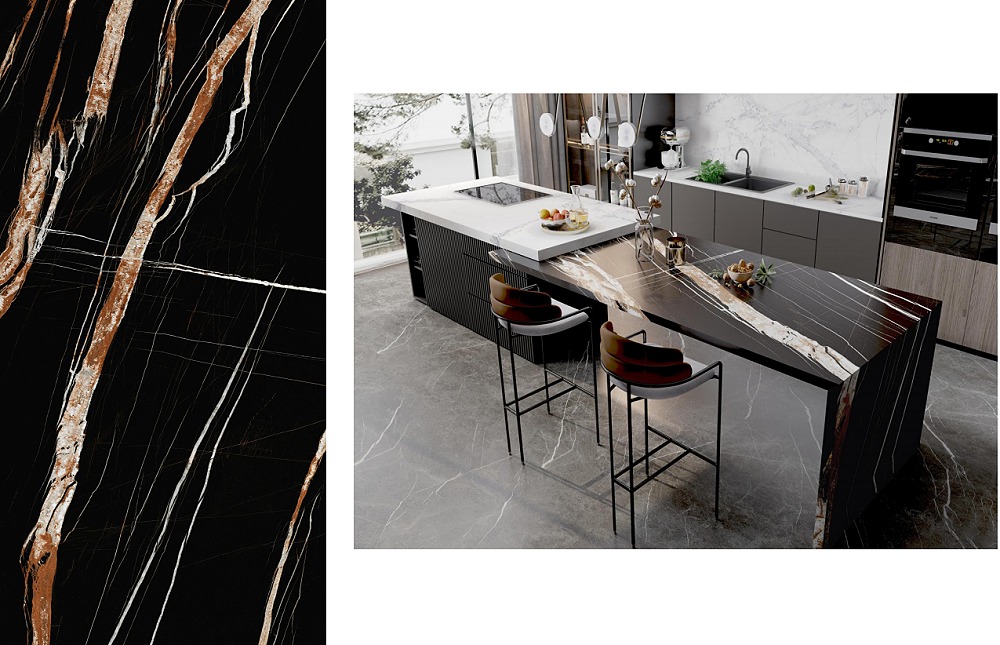
Does Natural Stone Fade?

Does Natural Stone Fade?

A practical guide to marble, granite, and long-term color performance
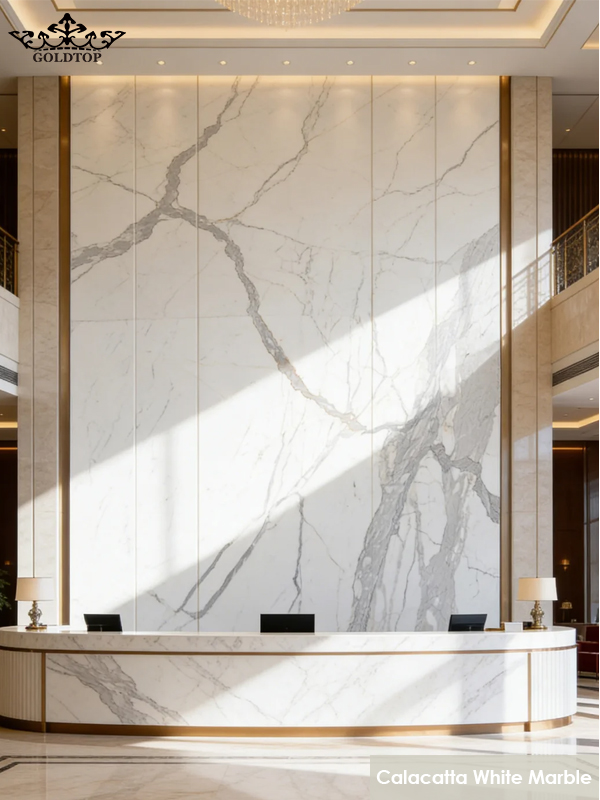
 

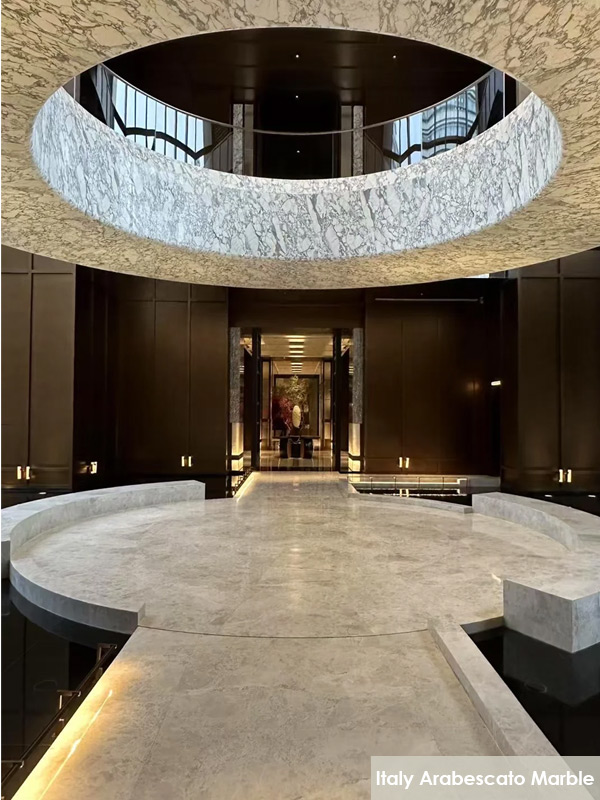
marble hotel lobbymarble hotel lobby


Natural stone is widely valued for its timeless beauty, but one question often comes up in both residential and commercial projects: does natural stone fade over time?

The short answer is: yes—but not all stone behaves the same, and the reasons are more complex than simple “fading.” Understanding the science behind stone composition helps explain what really happens.


Why Natural Stone Can Change Color

Natural stone is not chemically inert. Its appearance can evolve due to environmental exposure, mineral composition, and chemical reactions.

1. Marble: More Reactive, More Vulnerable
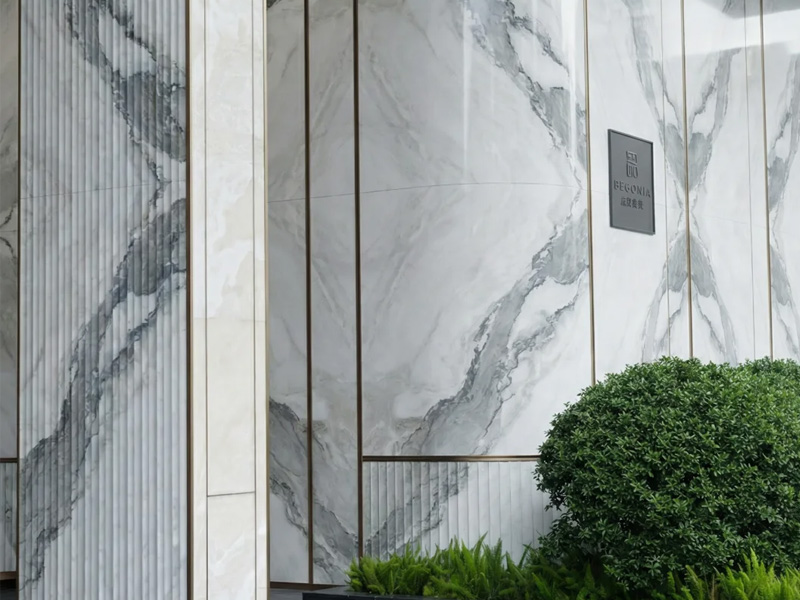
 

fendi white marble wall


Marble is primarily composed of calcite (CaCO₃) and sometimes dolomite (CaMg(CO₃)₂). These minerals contain carbonate ions, which are relatively reactive. When exposed to air and moisture, especially in outdoor environments, marble can undergo:

Reaction with sulfur dioxide (SO₂) in the atmosphere

→ forming gypsum (CaSO₄·2H₂O), which appears as a dull, cloudy layer on the surface

Interaction with water

→ forming calcium bicarbonate (Ca(HCO₃)₂), which can dissolve and later recrystallize

These processes lead to:

Surface dulling→ Loss of polishGradual lightening or uneven discoloration

This is why marble is generally not recommended for exterior applications. In many cases, marble used on façades may show noticeable fading or weathering within 2–3 years.


2. Granite: More Stable, But Not Immune
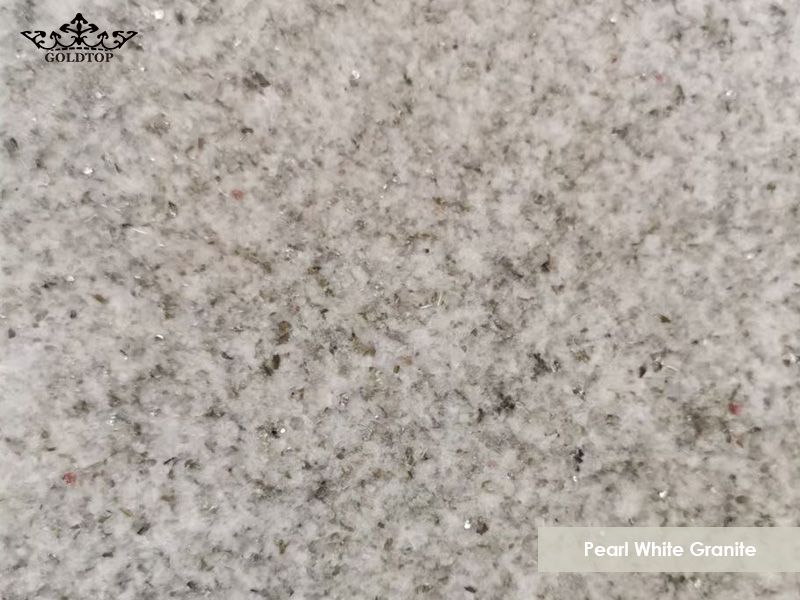
 

pearl white granite


Compared to marble, granite is significantly more stable.

Granite is an igneous rock composed mainly of:

◆ Feldspar  Quartz  Mica  Amphibole or pyroxene

These are silicate minerals, built on a strong silicon-oxygen tetrahedral structure, which gives granite:

★ High chemical stability

★ Strong resistance to acids

★ Excellent weather resistance

Because of this, granite is often described as “non-fading” in practical terms.

However, that’s not entirely absolute.


3. Long-Term Changes Still Happen
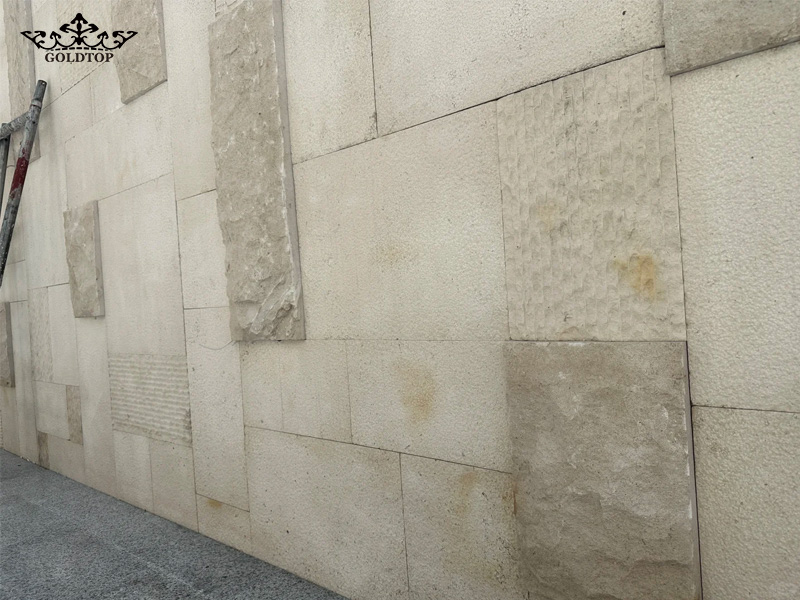
 

natural material is completely immune to change


No natural material is completely immune to change—not even granite.

Over very long periods, stone can undergo:

◆ Weathering   Hydrothermal alteration   Mineral transformation

For example:

● Feldspar and mica can transform into kaolinite (clay minerals) or limonite

● Pyroxene may alter into epidote or chlorite

● Olivine can become serpentine or magnesite

These transformations can eventually affect color and texture.

That said:

These changes occur over extremely long geological timescales—often far beyond the lifespan of buildings or human observation.


So, Does Natural Stone Fade?

Here’s a practical summary:

Material Fading Risk Main Cause Typical Timeline
Marble High Chemical reaction & weathering 2–3 years (outdoor visible change)
Granite Low Very slow mineral alteration Decades to centuries


Key Factors That Influence Fading

Regardless of stone type, several external factors accelerate visible changes:

● UV exposure (sunlight)

● Air pollution (SO₂, acid rain)

● Moisture and humidity

● Surface finish (polished vs honed)

● Maintenance and sealing

Proper sealing and maintenance can significantly slow down visible fading.


How to Minimize Fading
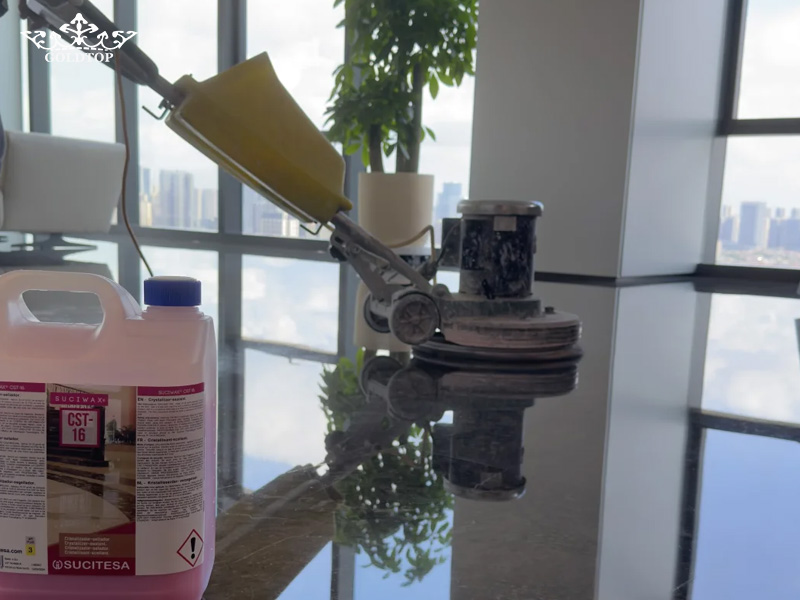
 

natural stone How to Minimize Fading


To preserve the original appearance of natural stone:

● Use marble indoors, especially for countertops, walls, and vanities

● Choose granite or quartz for exterior applications

● Apply a high-quality stone sealer

● Perform regular cleaning and maintenance

● Avoid prolonged exposure to harsh chemicals or acidic environments


FAQ

How long will marble last?

Marble can last decades or even centuries when properly maintained, especially in indoor environments. However, its surface appearance may change over time if exposed to moisture, acids, or outdoor conditions.

Does marble fade over time?

Yes. Marble can lose its polish and appear lighter or duller, especially when exposed to air pollutants, moisture, and outdoor weathering.

How often should I reseal a natural stone?

Typically, natural stone should be resealed every 6–12 months, depending on usage, exposure, and stone type. High-traffic or wet areas may require more frequent sealing.

Does marble fade in sunlight?

Yes. Prolonged exposure to UV rays and heat can accelerate surface degradation, leading to fading or discoloration—especially in outdoor or sun-exposed areas.


If you're selecting materials for a project and want long-term color stability, choosing the right stone—and using it in the right environment—is just as important as the design itself.

Explore our natural stone product range and real project case studies to see how different materials perform in actual applications. Whether you're working on residential, hospitality, or multi-family developments, our team can help you choose the most suitable solution.

Contact us today for material recommendations, free samples, and project support.
 

Top

How to Achieve Ultimate Aesthetics with Natural Stone? A Complete Guide to Marble Bookmatching

In high-end interior design, natural stone is more than just a material—it is a form of visual expression. Especially in focal areas such as TV feature walls, hotel lobbies, and villa living spaces, the use of marble bookmatch transforms natural stone patterns into unique works of art.

From the classic panda white marble bookmatch to the luxurious and bold calacatta gold marble bookmatch, these applications continue to redefine spatial aesthetics.


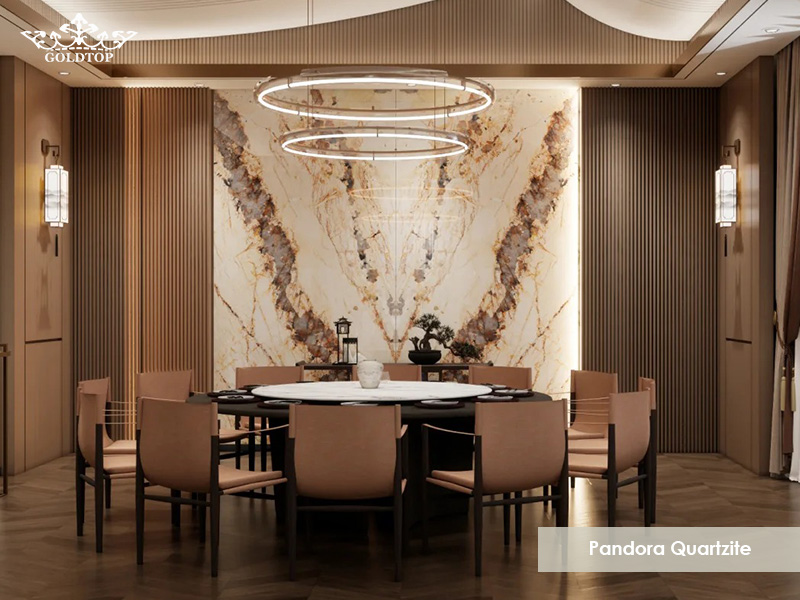
pandora quartzite bookmatching


What is Marble Bookmatch?

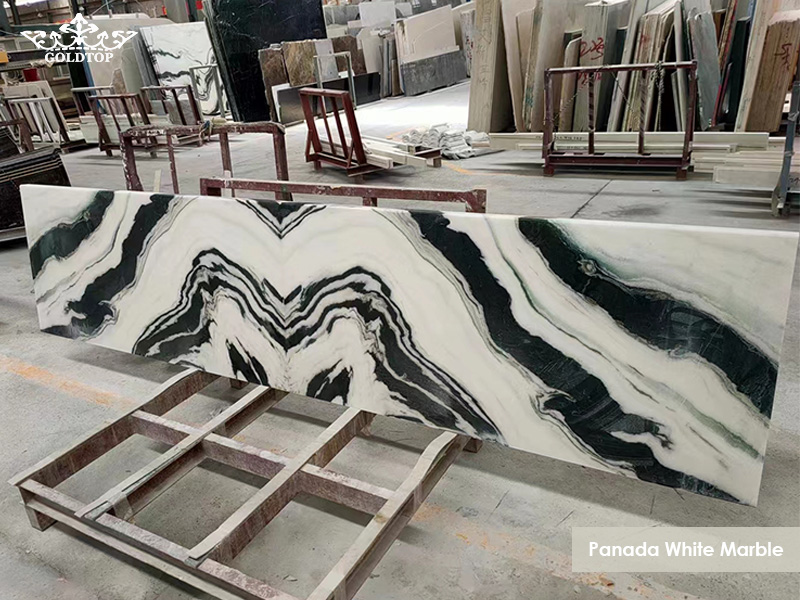
Marble bookmatch refers to the process of cutting a single block of stone into consecutive marble bookmatch slabs, then arranging them in a mirrored layout—like the pages of an open book—to create symmetrical patterns. The final effect is often visually striking, resembling a piece of natural artwork.


Common Marble Pattern Matching Methods

1. Bookmatch (Two-Way Matching)

This is the most classic application of book match marble tiles, where two slabs are mirrored.

Features:  ◇ Strong visual focal point  ◇ Patterns resemble butterfly wings or landscape paintings  ◇ Commonly used in white marble bookmatch and black book match marble

Typical materials:

★ panda white marble bookmatch ★ black calacatta bookmatch


panda white marble bookmatch


2. Quad Match (Four-Way Matching)

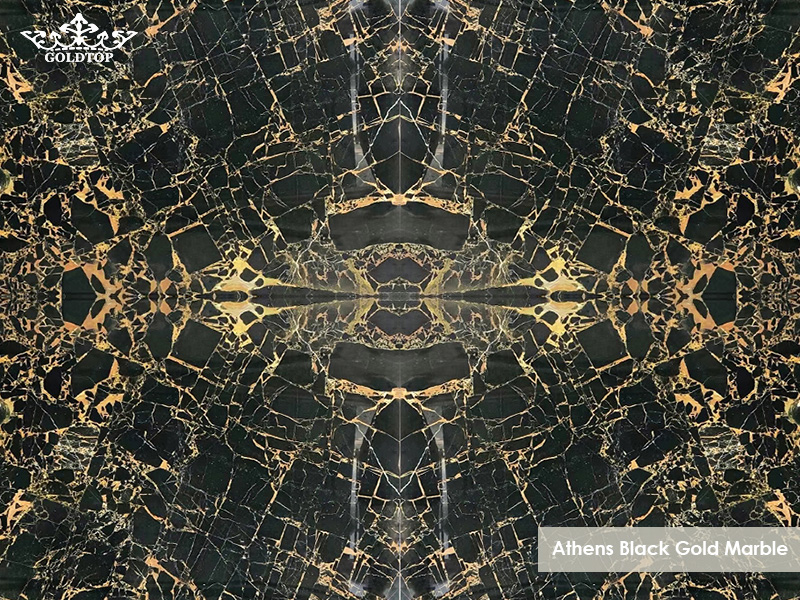
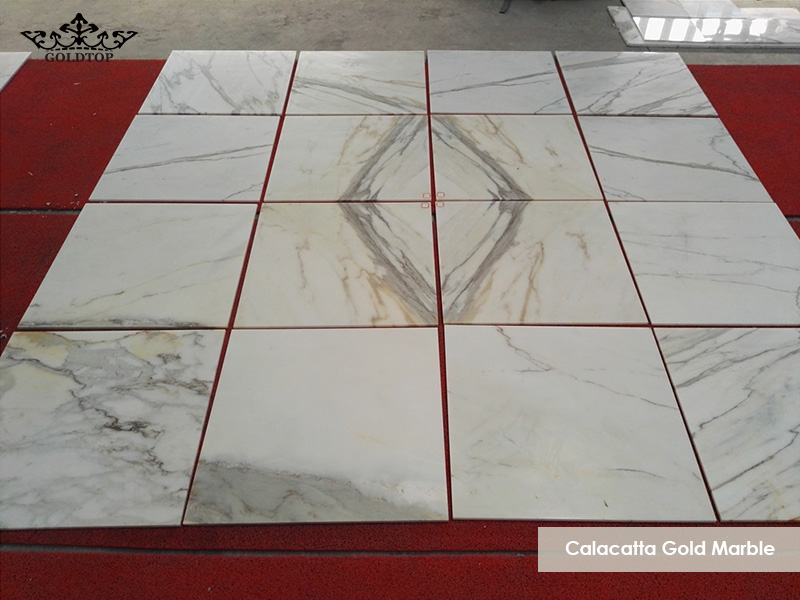
An extension of bookmatching, creating more complex geometric layouts such as:  ◇ Diamond shapes  ◇ Radial patterns  ◇ Kaleidoscopic effects

Common applications:

▶ Luxury hotel lobbies

▶ Large-scale bookmatched marble wall

Typical materials:

★ calacatta marble bookmatch

★ calacatta gold marble bookmatch

★ Athens Black Gold Marble bookmatch


Athens Black Gold Marble bookmatch Calacatta Gold Marble Bookmatch


3. Vein Matching

This method follows the natural cutting sequence of the stone to maintain continuous veining.

Features:  ◇ Natural flow  ◇ Strong sense of spatial continuity  ◇ Ideal for flooring and long wall applications

Applicable products:

▶ book matched marble slabs

▶ book matched marble tiles

▶ book matched marble stair


panda white marble vein matching


4. Random Pattern Matching

Favored in modern minimalist design, this method emphasizes natural randomness.

Features: ◇ No intentional symmetry  ◇ Closer to the raw beauty of nature  ◇ Requires high-level design and layout expertise

If not executed properly, it may compromise the overall aesthetic, making craftsmanship critical.


Calacatta Gold Marble


Popular Marble Bookmatch Materials

In real projects, the following marble bookmatch materials are highly sought after:

● White Marble Bookmatch

★ calacatta gold marble bookmatch

★ statuario marble bookmatch

★ calacatta white bookmatch

Calacatta White Marble Bookmatch calacatta white marble

Clean and elegant, ideal for modern and luxury interiors


● Premium Veining 

★ Cloudy Wave Marble

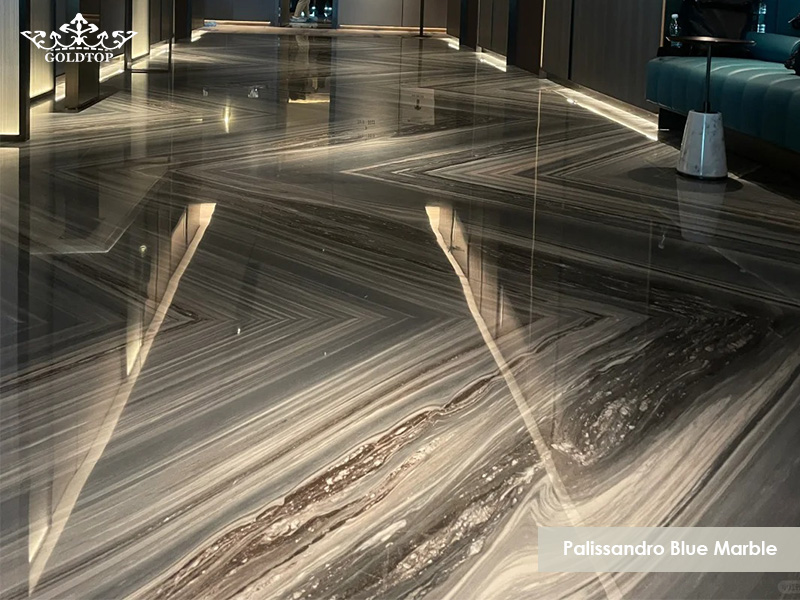
★ Palissandro Blue Marble

★ Pandora Quartzite

Cloudy Wave Marble Book Matching Palissandro Blue Marble Book matching

Bold veining with strong visual impact, perfect for high-end residential and hospitality projects


Black Marble Bookmatch

★ black book match marble

★ black calacatta bookmatch

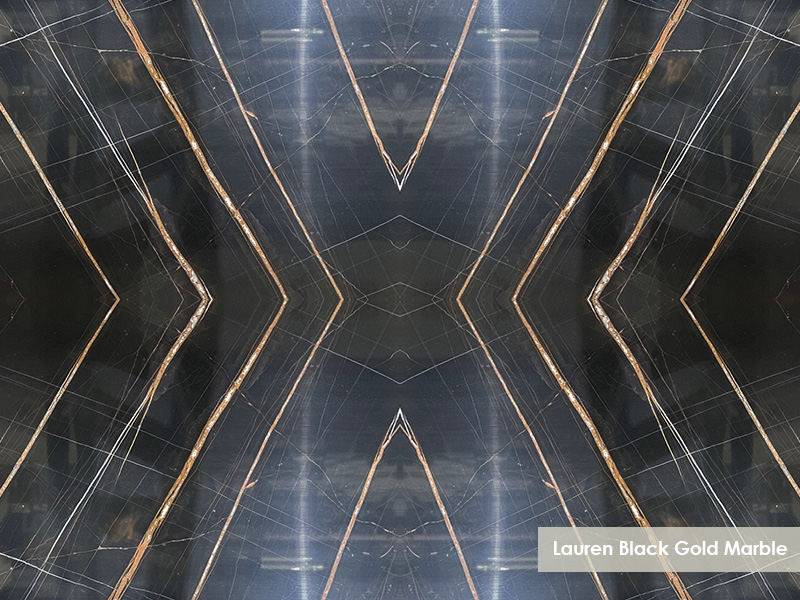
Lauren Black Gold Marble

High contrast and dramatic aesthetics


Applications of Bookmatched Marble

● Living room TV feature walls (bookmatch marble wall)

● Bathroom walls and floors (book matched marble bathroom)

● Hotel lobby statement walls

● Commercial art walls

● Flooring patterns (book match marble tiles)

With thoughtful design, stone can be elevated from a building material to a true work of art.


Bookmatched Marble Cost

Many clients are concerned about bookmatched marble cost, which is typically higher than standard installations due to:

● Selection of continuous veined raw blocks

● Higher material wastage during cutting

● Increased layout and fabrication complexity

● More demanding installation requirements

In general, bookmatching can cost 20%–50% more than conventional installation, depending on the material and design complexity.


FAQ

1. Is book matched marble expensive?

Yes, bookmatched marble cost is usually higher due to material selection, cutting precision, and installation complexity.


2. How to book match marble?

The process includes:

● Selecting continuous marble blocks

● Cutting slabs in sequence

● Mirroring slabs during layout

● Careful installation to align veins perfectly


3. What is the difference between slip match and book match marble?

Book match: mirrored symmetry with strong visual impact

Slip match: slabs are aligned in sequence without mirroring, maintaining continuity but not symmetry


Conclusion

From bookmatched marble tiles to full bookmatched marble wall installations, marble bookmatching is not just a technique—it is a reinterpretation of nature’s beauty.

When a slab is “opened” the right way, it becomes a masterpiece.


Top

How to Design a Stone Kitchen Island? Real Project Ideas & Layout Tips

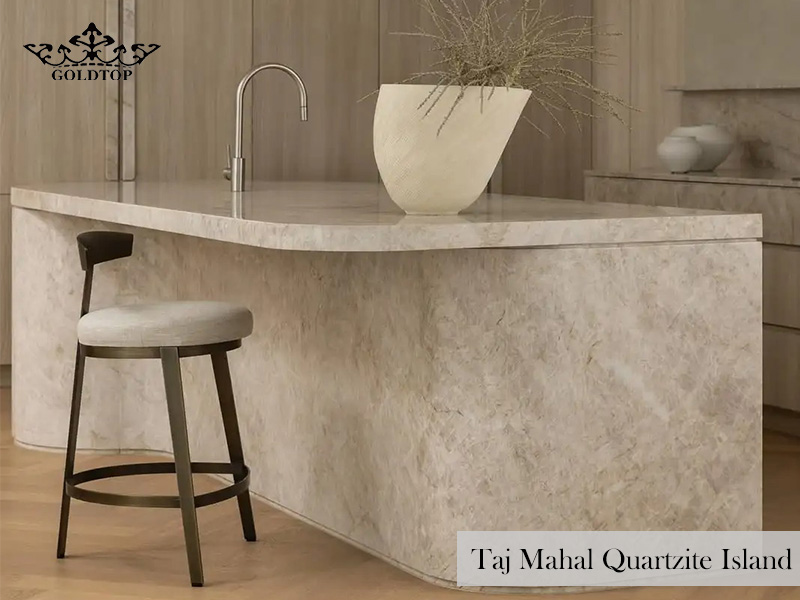
Taj Mahal Quartzite Island

When people think about an open kitchen, the kitchen island is often the first feature that comes to mind.

More than just a worktop, a kitchen island has become the social center of modern living — a space for cooking, dining, storage, working, gathering, and everyday interaction.

As a result, stone kitchen islands are now widely used in luxury homes, villas, apartment projects, and hospitality-style residences. Materials such as natural marble, quartz, and quartzite bring a level of texture, visual impact, and sophistication that other countertop materials often cannot achieve.

Of course, not every kitchen is suitable for an island. A well-designed island should balance layout, circulation, functionality, material selection, and real-life usage habits.

In this article, we’ll look at kitchen island dimensions, common layouts, material considerations, and real project applications to help you design a functional and visually balanced stone island.

Why Are Stone Kitchen Islands So Popular?

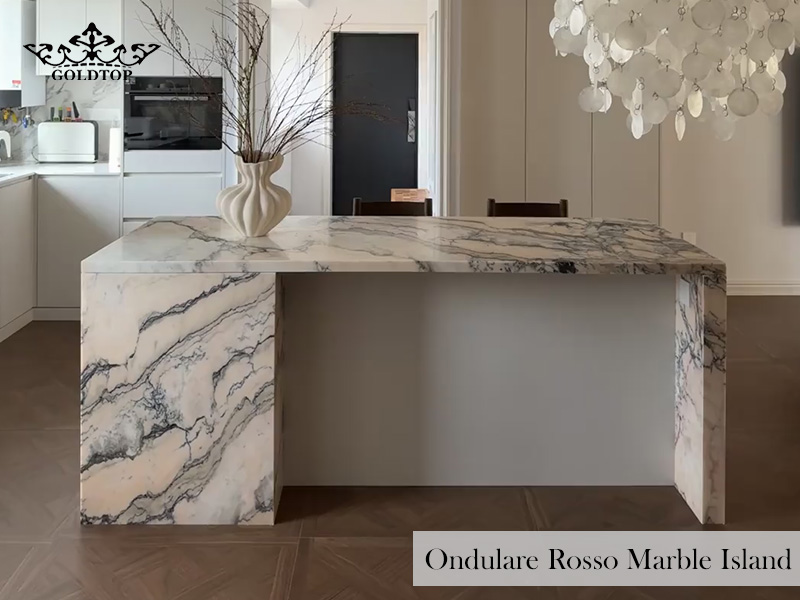
Ondulare Rosso Marble island

Traditional kitchens focus mainly on functionality, while modern open kitchens place greater emphasis on spatial experience.

In many contemporary homes, the kitchen is no longer just a cooking area — it has become a shared living space. The island naturally creates more possibilities within that environment.

Common functions of a kitchen island include:

● Food preparation and cooking

● Casual dining and bar seating

● Social interaction

● Additional storage

● Dining table integration

● A visual centerpiece for the kitchen

Compared with standard countertop materials, stone surfaces create a stronger sense of texture, scale, and luxury.

For example:

● Marble highlights natural veining and artistic character

● Quartz offers durability and low maintenance

● Quartzite combines natural texture with strong performance

In many high-end projects, a large-format stone island becomes the focal point of the entire kitchen space.

Before Designing an Island, Check the Available Space

Although kitchen islands are highly desirable, they are not suitable for every layout.

In smaller kitchens, forcing an island into the space can create issues such as:

● Restricted circulation

● Cabinet doors that cannot open fully

● Limited walking space

● A crowded visual effect

In general:

● Homes over 100㎡ are more suitable for island layouts

● Open kitchens work best with islands

● A circulation space of around 90cm is recommended

If the kitchen is compact, a peninsula layout is often a more practical solution.

Simply put:

A kitchen island should improve the space, not make it feel cramped.

Recommended Kitchen Island Dimensions

The size of an island directly affects both usability and comfort.
1. Standard Kitchen Island Dimensions

Item Recommended Size
Countertop Width ≥50cm
Island Height 85cm–95cm
Distance to Cabinets ≥75cm
Comfortable Walkway Around 90cm
Side Clearance ≥75cm


A 90cm walkway generally provides a more comfortable experience, especially in kitchens used by multiple people.

2. Island + Dining Table Layout Dimensions

Integrated island dining tables have become increasingly popular in modern residential projects.

This design creates a stronger connection between the kitchen and living space while improving functionality.

Recommended dimensions:

Item Recommended Size
Island Length 1.5m–2m
Minimum Length At least 1.3m
Island Width 80cm–90cm
Recommended Width 90cm+
Island Height 93cm
Dining Table Height 75cm
Height Difference Around 18cm


The split-level design improves both aesthetics and practicality, while also allowing hidden outlets and functional details to be integrated more naturally.

Additional recommendations:

● Bar stool seat height: around 65cm

● Recessed seating depth: around 20cm

● Toe kick height: around 10cm

These details can significantly improve daily comfort and usability.

Common Kitchen Island Layout Types

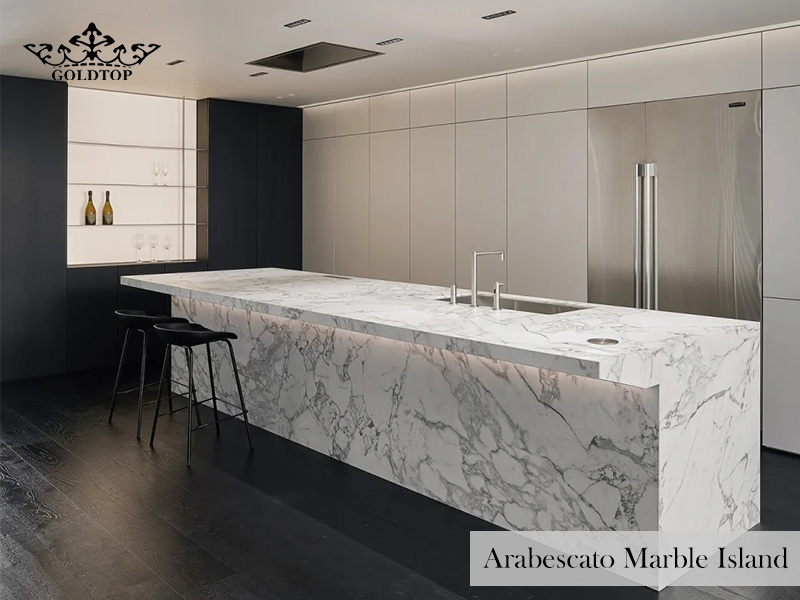
1. Freestanding Island (Most Common)

Arabescato Marble freestanding Island

This is the classic island layout.
The island is separated from the main cabinetry, making it ideal for larger open kitchens.
Advantages:

● Stronger sense of space

● More premium visual effect

● Flexible circulation

● Better for social interaction

【Insert Case Study: Marble Freestanding Island】

Large-format stone slabs are recommended to create a stronger visual centerpiece.

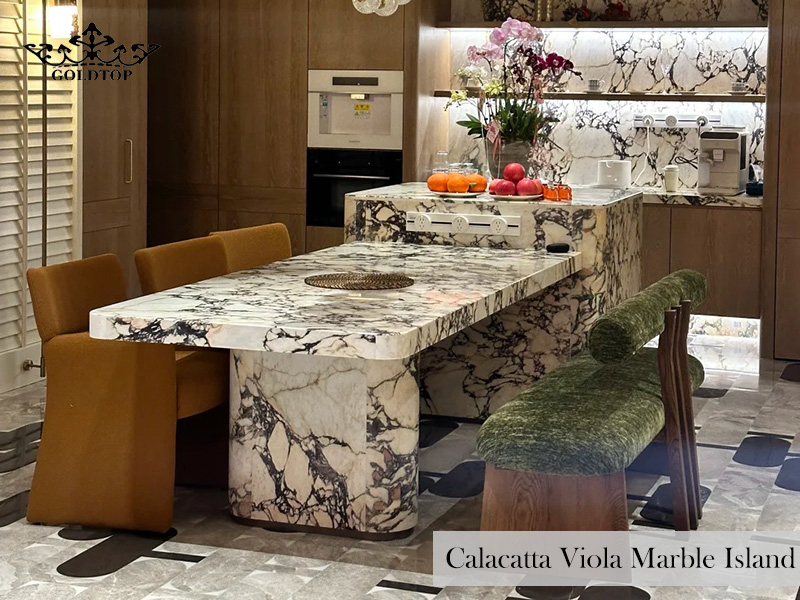
2. Extended Island with Dining Table

Calacatta Viola Marble extended Island with dining table

This layout combines the island with a dining table or suspended tabletop.

It has become a popular choice in modern residential design.

Advantages:

● Multi-functional use

● Better family interaction

● Improved space efficiency

【Insert Case Study: Stone Island with Wood Dining Table】

This type of design works especially well in high-end custom residential projects.

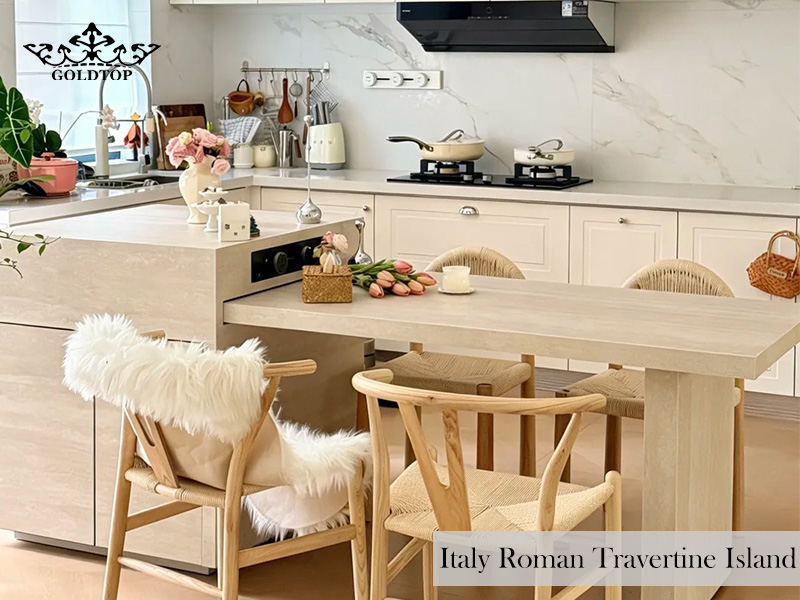
3. Peninsula Layout (Better for Smaller Kitchens)

Italy Roman Travertine Island

A peninsula is essentially an extension of the cabinetry.

It is suitable for:

● Small apartments

● Narrow kitchens

● Compact spaces that still require island functionality

Advantages:

● Space-saving

● Maintains interaction within the kitchen

● More efficient circulation

【Insert Case Study: Compact Peninsula Kitchen】

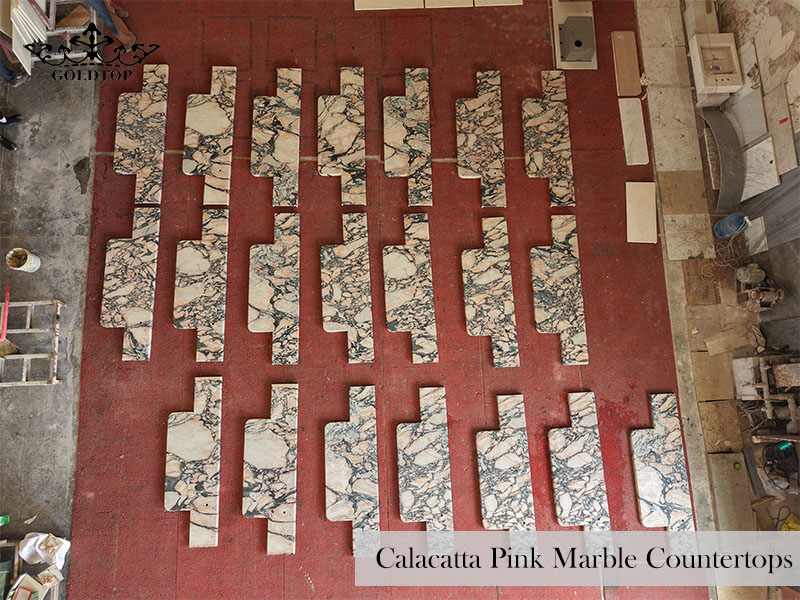
A High-Quality Island Depends on More Than the Material

Calacatta Pink Marble contertops

Many people assume that selecting a beautiful stone slab is enough.

In reality, a premium kitchen island also depends on:

● Slab selection

● Vein matching and layout planning

● Fabrication precision

● Edge detailing

● Installation quality

● Packaging and transportation protection

For overseas projects in particular, handling and transporting large-format island tops requires significant experience.

That is why experienced stone suppliers provide more than just raw materials. They also offer:

  • Slab optimization and detailing

● Project coordination

● Countertop fabrication

● Cabinet integration support

● Export packaging solutions

Final Thoughts

A kitchen island is no longer just a countertop.

It has become part of a modern lifestyle.

A well-designed stone island can enhance both the appearance and functionality of a kitchen while creating a more refined living experience.

If you are looking for stone kitchen island solutions for residential or commercial projects, feel free to explore our:

Stone product collections

Stone project case studies

Stone catalog download page

Free sample request service


From material selection and slab detailing to fabrication and export packaging, we provide complete stone solutions for apartments, villas, hotels, and high-end residential projects.


Top

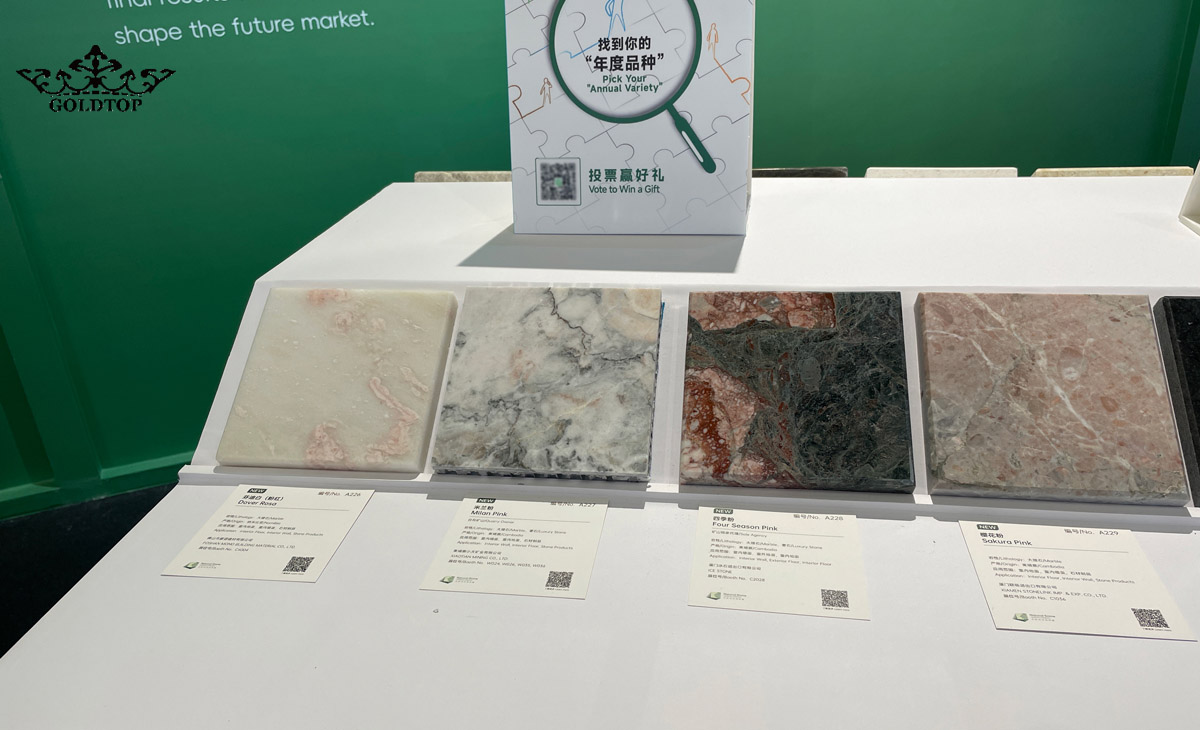
2026 Xiamen Stone Fair New Arrivals Review A Trend Guide from Color to Material

At the Xiamen Stone Fair, which concluded on March 19, the organizers showcased a batch of new global stone products. From an overall trend perspective, stone selection is shifting from focusing solely on “the material itself” to emphasizing “spatial expression”—the combination of color, texture, and application scenarios has become the core of design.


Xiamen Stone Fair


Compared with past years, this year's trends are more diverse: soft white continues to dominate large spaces, warm beige and natural tones are on the rise, while highly distinctive colored luxury stones are increasingly used as accent pieces.

This article systematically reviews the new stone products from the fair from two perspectives: color and material.


White Marble: From Classics to “Soft Mist White”

White marble remain the absolute mainstream in the market, especially for kitchen countertops, apartment projects, and hotel spaces, occupying a central role.

However, there is a notable shift this year:
Moving from “cool whites with high contrast” to “soft, low-saturation stones with natural flowing veins.”

Representative stones include:

1. Fendi White Marble


Fendi White Marble


2. Santorini Marble


Santorini marble


3. Statuary White Marble


Statuary White Marble


4. Brazilian Platinum Sands Marble


Brazilian Platinum Sands Marble

Common characteristics of these stones:
 • Softer veining
 • More comfortable spatial atmosphere
 • Aligned with the current trend of “emotionally soothing design”

In real projects, these materials are particularly suitable for large-area applications such as kitchen countertops, walls, and overall spatial layouts. This also raises higher requirements for project consistency and stable supply capacity.


Beige & Warm Tones: Natural Relaxation as Mainstream

If white is the “foundation,” the most notable growth this year is in beige and warm-toned stones.

At the fair, it was clear that the application of these materials has extended from interiors to building facades, columns, and public spaces.

Representative stones include:

1. Roman Wooden Marble


Roman Wooden Marble


2. Fendi Pink Marble


Fendi Pink Marble


3. Monet Limestone


Monet Limestone


4. White Pitaya Marble


White Pitaya Marble


5. Moonlight Limestone


Moonlight Limestone


6. Cherry Blossom Pink Marble


Cherry Blossom Pink Marble


These stones convey a:
warm, natural, and effortless spatial atmosphere

Compared with pure white, they feel more lived-in and can easily create a comfortable environment in commercial spaces.

At the same time, different surface treatments (e.g., matte, brushed, sandblasted) allow for completely different design styles, making them highly versatile.


Limestone & Travertine: Returning from Material to Architectural Language

The application of limestone and travertine has noticeably increased at this year’s fair, marking a trend worth noting.

Representative materials include:

1. Philadelphia Travertine


Philadelphia Travertine


2. Bordeaux Limestone


Bordeaux Limestone


Their applications are diverse:

 • Building facades

 • Interior walls and floors

 • Columns

 • Mosaic decoration

Key characteristics of these stones:
✔ Natural textures
✔ Subtle elegance
✔ Strong architectural presence

With different surface treatments (e.g., sandblasted, antiqued, natural), they can achieve styles ranging from modern minimalism to raw natural aesthetics.

For developers and designers, these materials are increasingly becoming a vital bridge between architecture and interior design.


Colored Luxury Stones: High-Impact Accents

Unlike white and beige “foundation materials,” colored stones this year are more commonly used as spatial highlights.

At the fair, high-saturation colors such as blue and green were increasingly showcased, including:

1. Amazon Green Quartzite


Amazon Green Quartzite


2. Blue Labradorite Granite


Blue Labradorite Granite


3. Calacatta Green Marble


Calacatta Green Marble


4. Gaya Green Quartzite


Gaya Green Quartzite


Characteristics of these stones:
 • Strong visual impact
 • Distinctive personality
 • High artistic expression

They are usually not used in large areas but are applied in:

✔ Kitchen islands

✔ Feature walls

✔ Reception areas

✔ Custom furniture

In high-end residences and boutique commercial spaces, these “accent luxury stones” can create exceptional spatial value even in small areas.


Black & Dark Granit: Stability and Irreplaceability

Despite changing trends, black and dark stones continue to maintain stable demand, particularly in engineering projects and commercial spaces, where they are indispensable.

Representative stones include:

1. Africa Black Granite


Africa Black Granite


2. Zimbabwe Black Granite


Zimbabwe Black Granite


3. Gucci Black Granite


Gucci Black Granite


4. Titanium Satin Granite


Titanium Satin Granite


5. Cosmic Black Granite


Cosmic Black Granite


Typical applications:

✔ Countertops

✔ Flooring

✔ Contrast design

Advantages include:
• Durable and stable
• Versatile in style
• Easily combined with other materials


Conclusion: From “Selecting Materials” to “Designing Spaces”

The Xiamen Stone Fair demonstrates a significant shift in the stone industry:

Stone is no longer just a material—it is an essential element in spatial design and emotional expression.

Whether it's the evolution of soft whites, the resurgence of warm tones, the popularity of limestone, or the accent use of colored luxury stones, all indicate that:

Future stone selection will increasingly focus on overall spatial effect and application methods.

For project planners and purchasers, this means considering not just the material itself but also:

• Color coordination with the space

• Choice of surface finish

• Stable bulk supply and processing capacity

In practice, partners who can provide both stable material supply and customized processing support will have a competitive advantage.

If you are looking for stone that aligns with the latest trends or would like project-specific material selection advice, please contact us for samples and solutions.

Top

Taj Mahal Quartzite vs. Taj Mahal Quartz Key Differences, Pros & Which One to Choose

Taj Mahal Quartzite vs. Taj Mahal Quartz: What's the Difference?

Taj Mahal–style countertops have become increasingly popular in modern kitchen and bathroom design. With their soft beige background, elegant veining, and marble-like luxury appearance, they are widely used in high-end homes as well as commercial projects.

However, when choosing a countertop material, many homeowners, designers, and developers ask the same question:


What is the difference between Taj Mahal Quartzite and Taj Mahal Quartz?

Although these two materials often look similar, they differ significantly in terms of material composition, durability, maintenance requirements, and price.

In this guide, we will compare Taj Mahal Quartzite vs. Taj Mahal Quartz to help you determine which material is best suited for your kitchen or bathroom countertop project.


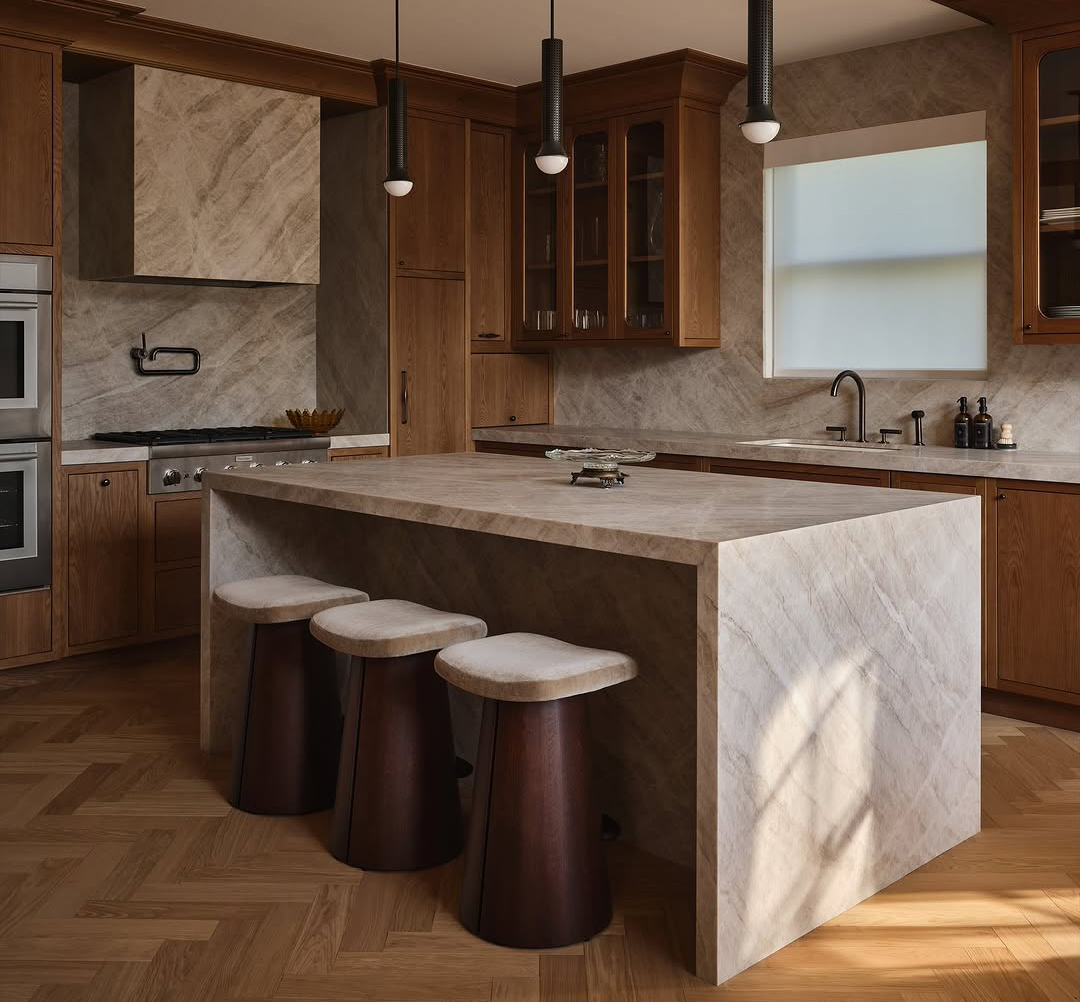
Taj Mahal quartzite kitchen countertop design


What Is Taj Mahal Quartzite?

Taj Mahal Quartzite is a natural quartzite stone that is mainly quarried in Brazil. It forms when sandstone undergoes intense heat and pressure beneath the earth's surface, transforming into a dense and extremely durable stone.

This material is well known for its:

  • Creamy beige or light ivory background

  • Subtle gold or gray veining

  • Elegant appearance similar to marble

Because of its beauty and durability, Taj Mahal quartzite is widely used for:

  • Kitchen countertops

  • Kitchen islands

  • Bathroom vanity tops

  • Wall cladding and decorative surfaces

Compared with marble, quartzite is generally harder and more resistant to scratching, while still offering the natural patterns and unique character that only real stone can provide. Each slab has its own natural variations, making every installation unique.


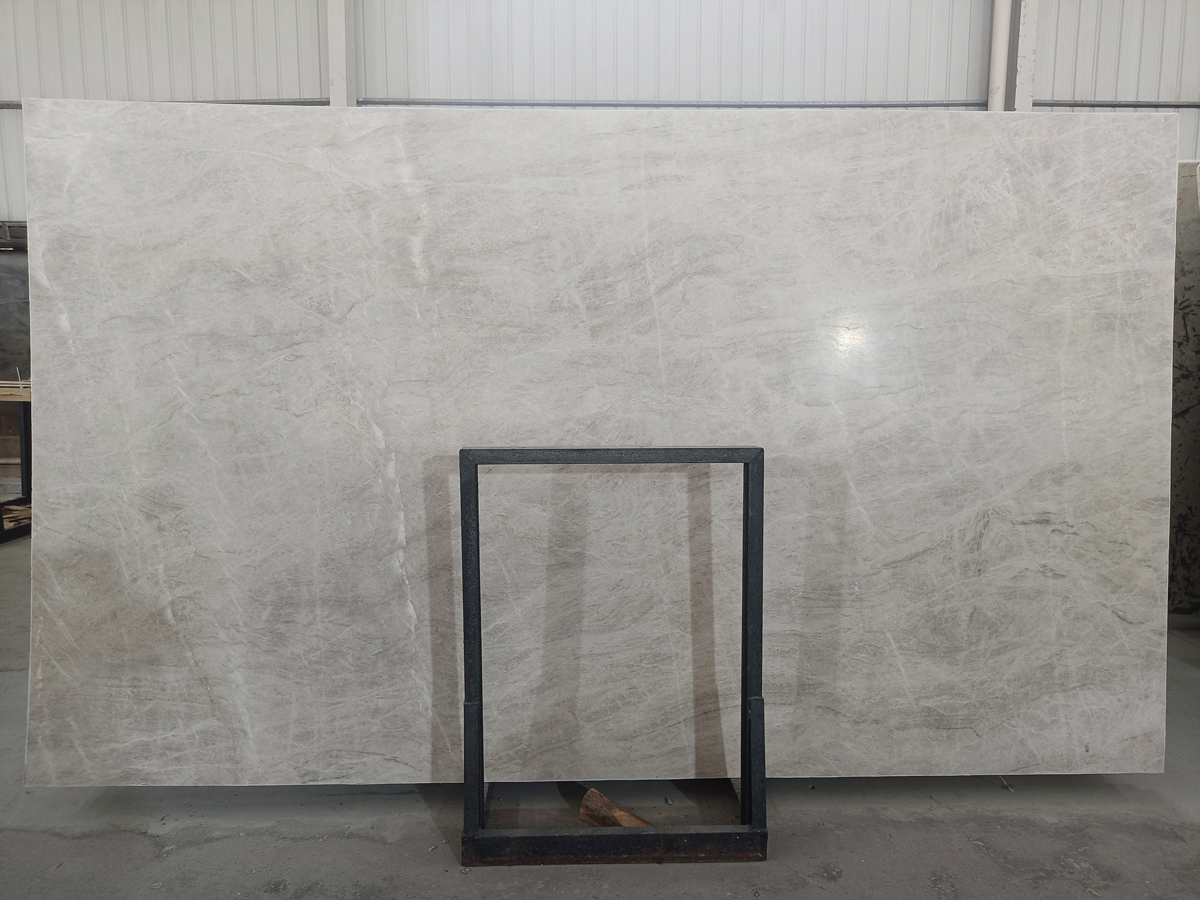
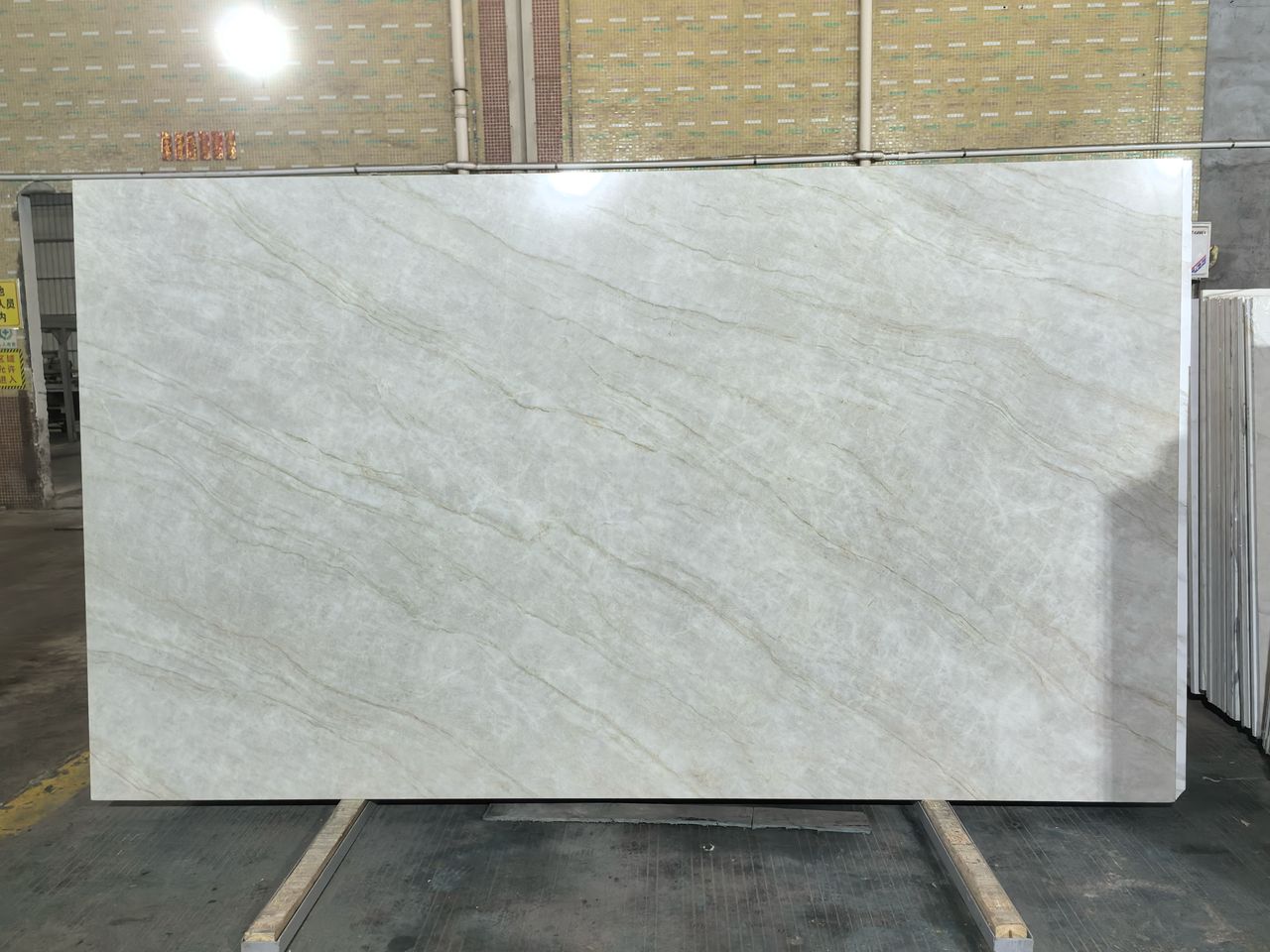
natural Taj Mahal quartzite slab texture


What Is Taj Mahal Quartz?

Taj Mahal Quartz is an engineered quartz surface designed to replicate the elegant look of Taj Mahal quartzite. It is manufactured by combining natural quartz particles with resin and pigments under high pressure.

High-quality engineered quartz typically contains over 93% natural quartz, which provides excellent strength and durability.

Key characteristics of Taj Mahal quartz include:

  • More consistent color and veining

  • Non-porous surface

  • No sealing required

  • Easy cleaning and maintenance

Because of these advantages, Taj Mahal quartz is commonly used for:

  • Kitchen countertops

  • Bathroom vanity tops

  • Commercial interiors

  • Apartment and residential development projects

For projects that require consistent appearance across multiple units, engineered quartz is often the preferred option.


Taj Mahal quartz slab surface


Taj Mahal Quartzite vs. Taj Mahal Quartz: Key Differences

Although these materials may look similar, they differ in several important ways.

Feature Taj Mahal Quartzite Taj Mahal Quartz
Material Natural quartzite stone Engineered quartz
Appearance Natural variation in each slab Consistent pattern
Heat Resistance Excellent Moderate
Maintenance Requires periodic sealing Low maintenance
Cost Higher due to natural sourcing More budget-friendly

In simple terms:

Quartzite = Natural stone
Quartz = Engineered stone

Each option has its own advantages depending on design preference, maintenance expectations, and budget.


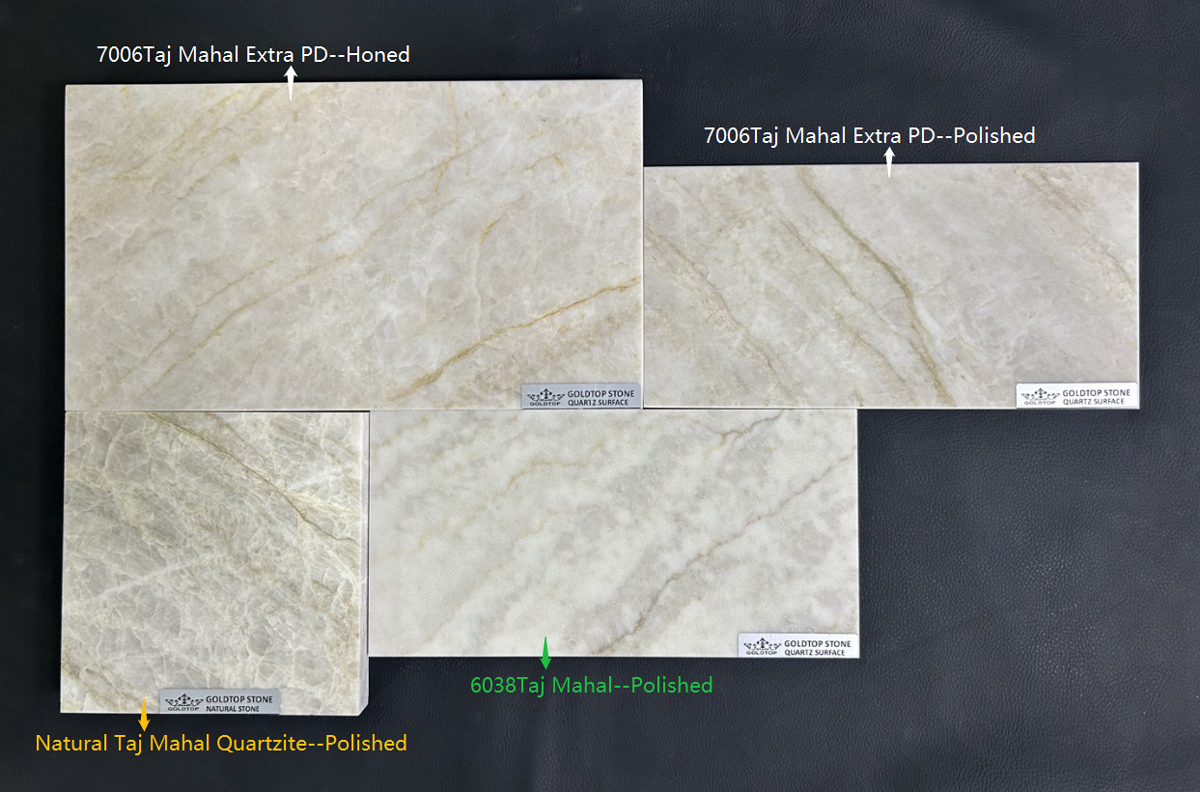
Taj Mahal quartzite vs Taj Mahal quartz comparison


Appearance and Design Differences

From a design perspective, both materials aim to achieve the elegant aesthetic associated with Taj Mahal stone. However, there are noticeable differences.

Taj Mahal Quartzite

  • Naturally flowing veining

  • Unique pattern in every slab

  • Greater visual depth and natural texture

Taj Mahal Quartz

  • More uniform pattern

  • Consistent color tone

  • Easier to match across multiple installations

In luxury residential design, many architects and interior designers prefer Taj Mahal quartzite countertops because natural stone offers a level of authenticity and uniqueness that engineered materials cannot fully replicate.


Taj Mahal quartzite countertops kitchen design


Durability, Heat Resistance, and Maintenance

Both quartzite and quartz are durable countertop materials, but they perform differently when it comes to heat resistance and maintenance.

Performance Taj Mahal Quartzite Taj Mahal Quartz
Hardness Extremely hard natural stone Durable engineered surface
Scratch Resistance Excellent scratch resistance Good scratch resistance
Heat Resistance Highly heat resistant Moderate heat resistance
Maintenance Requires periodic sealing No sealing required
Daily Cleaning Mild cleaners recommended Very easy to maintain

Overall:

  • Quartzite offers better heat resistance and natural stone strength.

  • Quartz provides easier long-term maintenance.

For homeowners who frequently cook or place hot cookware on countertops, quartzite may provide an advantage. For those who prefer a surface that requires minimal maintenance, quartz is often the more convenient choice.


quartz vs quartzite countertops durability


Cost Comparison: Quartzite vs Quartz

In general, Taj Mahal quartzite tends to be more expensive than Taj Mahal quartz.

This price difference is influenced by several factors:

  • Natural stone quarrying and extraction

  • International shipping and transportation

  • Limited availability of large slabs

  • Higher fabrication and installation complexity

Engineered quartz, by contrast, is produced through controlled manufacturing processes, which makes it more affordable and widely available.

For large residential developments or commercial projects, quartz is often chosen because it offers a good balance between appearance and cost.


Which One Should You Choose?

Choosing between Taj Mahal quartzite and Taj Mahal quartz depends largely on your design goals, budget, and maintenance preferences.

If You Prefer Taj Mahal Quartzite Taj Mahal Quartz
Natural stone beauty ✓ Best choice
Unique natural patterns ✓ Each slab is different
High heat resistance ✓ Excellent Moderate
Low maintenance ✓ Best choice
Consistent color and pattern ✓ More consistent
Budget-friendly option ✓ More affordable
Large-scale projects Possible but limited slabs ✓ Ideal for large projects

In general:

  • Choose Taj Mahal Quartzite if you want the natural beauty and uniqueness of real stone.

  • Choose Taj Mahal Quartz if you prefer a more consistent surface with easier maintenance and a more controlled budget.


FAQ About Taj Mahal Quartzite and Quartz

Is Taj Mahal quartzite natural stone?

Yes. Taj Mahal quartzite is a natural stone formed through geological processes over millions of years, which gives it its durability and unique patterns.


Is quartz better than quartzite for countertops?

Both materials have advantages. Quartz requires less maintenance, while quartzite provides stronger heat resistance and natural stone beauty.


Can quartz look like Taj Mahal quartzite?

Yes. Many engineered quartz products are specifically designed to replicate the appearance of Taj Mahal quartzite while offering a more consistent pattern and easier maintenance.


Top

Ceramic Candle Holders Blend of Light and Pottery, Make your life Romantic

When night comes and the hustle of the city goes, do you want to find a corner to relax? A flickering candle flame paired with a warm-textured ceramic candle holder can easily create a romantic and relaxing atmosphere.  When seeing the ceramic candle holder in well desined handcraft, feeling the softness of candlelight. —this is the unique romance that ceramic candlesticks bring to life.

Today, we'll talk about why ceramic candle holdes can become the "atmosphere essential" for home decoration, and how to use them in different scenarios to make ordinary days more bright.
 

I. Hard Ceramic and Soft Candlelight Matches the Meaning of "Elegant Life"

Among various candle holders materials, ceramic has always held an important position. It is between metal, which is hard and sharp, and glass, which feels thin. Ceramic itself has a warm and smooth touch, especially the curving part makes charming detailed. When candlelight passes through the ceramic wall or reflects shadows on the smooth glaze, the entire space becomes gentle.
All our ceramic candlesticks are made by high-temperature firing, which makes them solid and durable with uniform and full glaze color. From simple solid-color styles to creative ones with hand-painted patterns, each piece is carefully crafted by artisans: controlling the strength when shaping the clay, applying the glaze evenly, and mastering the temperature during firing. Every step focuses on details. This also makes each ceramic candle holder unique in texture—even if you don't light the candle, it's a beautiful home decoration when placed there.
 

II. Various Scene Uses: Many Differance of Romantic Ways to Use Ceramic Candle Holders

The attactivness of ceramic candle holders is their adaptability to different life scenarios. Whether you're alone or gathering with friends, they can properly set the mood. So needs to have many different style of candle holder to match different atmospheres.  For example, placing one in pink or white candle holder in the bedroom before bed-soft candlelight helps you relax and sleep better. When there's party, gatherings, putting some modern style candle holders on the dining table makes lovely night.  When having home meeting, putting smokeless beeswax candles at home with special candle holders instantly fills the space with less serious. Even when creating a small leisure area on the balcony, matching it with ceramic candlesticks makes the night pleasant as you blow the wind and watch the candlelight.
Top

Elevate Your Table & Space The Navy Blue Irregular Ceramic Serving Tray That Blends Art and Function

Wheather you are setting a stylish breakfast, or arranging a cozy afternoon tea.  Using a special, unique ceramic Serving Tray could enhance the life taste. 
Navy Blue Irregular Ceramic Serving Tray - a handcrafted masterpiece, good design make the day perfect.
 
Design & Craftsmanship: 
 
 
This serving tray isn’t just a kitchen tool – it’s a mini sculpture for your home.
 
  • Organic Wave Shape: The free-flowing, irregular edges break away from rigid, traditional tray designs, adding a playful to any surface.
  • Deep Navy Glaze: The hand-applied blue glaze features bring you at sea enjoying delicious food
  • Handcrafted Detail: Each tray is shaped and glazed by hand, so no two pieces are identical – your tray will have unique, one-of-a-kind texture and character.


Muti-Functional Beyond the Dining Table

 
While it can hold as a platter for charcuterie, pastries, or sushi, this ceramic tray is surprisingly multi-functional:
 
  • Entryway Organizer: Put it by your front door to hold keys, sunglasses, and jewelry, keeping organized and clean.
  • Bathroom Accent: Use it to display soap dispensers, candles, or skincare products, elevating your daily self-care routine.
  • Vanity Tray: Arrange your perfume bottles and makeup brushes on it for a aesthetics on your dresser.
  • Coffee Table Centerpiece: Pair it with a small potted plant or a scented candle to add a rich color and texture to your living room.


Styling Tips for Every Aesthetic

 
  • Modern Minimalist: Put with white ceramic bowls and wooden tableware on a marble dining table.
  • Cozy Feeling: Underneath the serving tray is a neutral linen tablemats, make a warm, inviting feel.
  • Creative Inspiring: Rustic wood decoration and modern shape serving tray put together, jump out the routine regularlly placement


Why Choose a Ceramic Serving Tray?

 
Ceramic isn’t just beautiful – it’s practical:
 
  • Durable & Long-Lasting: Resistant to chips, scratches, and high temperatures, it’s safe for serving hot or cold food.
  • Easy to Clean: Simply wipe with a dry cloth or hand wash – no special care required.
  • Food-Safe: Lead-free glaze ensures it’s safe for direct contact with fruits, cheeses, and other dishes.


Final Thoughts


Our Navy Blue Irregular Ceramic Serving Tray proves that functional items don’t have to be boring. It’s a piece that works as hard as it looks – whether you’re hosting guests or in your daily routine. Treat yourself to a serving tray that doubles as decor, or gift it to a friend who loves thoughtful, stylish home essentials.
Top

The Artisanal Ceramic Vase How Traditional Chinese Craft Fits Modern Home & Office Decor

When you walk into a space — whether it’s a living room or a client-facing office lounge — the decor that catch your eye.  It is not only pretty but also elegant and amazing.
 

1. What makes our Ceramic vase attractive?

 
  • Craft that lasts: Fired at 1300℃, maintains the color sturdy and it is lead-free, eco-friendly, safe.
  • Modern-meets-traditional glaze: The soft blue-pink gradient isn’t just a color, but also make a released atmosphere — it’s a hand-brushed layer that feels soft and fitting into minimalist shelves, sleek office desks, or cozy tea rooms.
  • Dual-purpose design: It works as a flower holder or a decoration, an art collectible.
 

2. Where to put Ceramic vase?

 
  • Home living room: Place it on a wooden/marble console table with fresh flowers — makes high-end atmosphere.
  • Office reception area: Put it on a counter stool — it makes everyone relaxed.
  • Personal workspace: Keep it on your desk— it adds a calm, released to busy workdays.
 

3. How to care the ceramic vase?

 
High-fired porcelain is low-maintenance:
  • Wipe clean with a soft wet cloth. 
  • Don’t expose it to sudden big temperature changes (e.g., hot water after cold).
  • For fresh flowers, change water every 2-3 days.
 

4. Why ceramic vase matters in office or at home? 


In Chinese, putting fresh flowers in a space has good "Feng Shui", especially put fresh flowers on good looking ceramic vase.  The handcrafted ceramic vase is also in a fantastic meaning.  Hand-carved cloud motifs (symbolizing good fortune in Feng Shui) and high-fired craftsmanship make it a timeless addition to any setting."


Top

Wood & Stainless Steel Tableware How It Elevates Mealtime

Mealtime often feels like a rushed routine — but the right tools can turn it into a moment to savor. Our Walnut & Stainless Steel Tableware Set does exactly that: it’s functional, stylish, and designed to make every bite feel intentional.
 

How This Set Makes Mealtime Easier 

The best tableware works as hard as it looks. Here’s how this collection fits into your daily routine:

How to Use It for Every Occasion

  • Weekday Mornings: Use the small canister for sugar, the tray for your coffee spoon, and the large bowl for oatmeal — no more fumbling with mismatched tools.
  • Hosting Guests: Serve salads in the large bowl, keep spices accessible in the stackable canisters, and pass dips in the glass-top bowl (the clear lid lets guests see what’s inside without asking).
  • Countertop Organization: Stack the canisters to save space, or display the tray + spoon as decor — the walnut-steel combo adds warmth to any kitchen.


How to Keep It Looking New (For Years)

Caring for wooden tableware sounds tricky — but it’s simple:
  1. Hand-wash only (dishwashers dry out wood; a quick rinse with mild soap is all it needs).
  2. Store in a dry, well-ventilated spot (avoid humid cabinets to stop warping).


Why This Set Stands Out 

Style is nice — but why does this set deserve a spot in your kitchen?

Why the Walnut & Steel Combo Works

  • Why Walnut? It’s dense, scratch-resistant, and develops a rich patina over time (so your set gets more unique the longer you use it).
  • Why Stainless Steel Trim? It’s rust-proof, easy to wipe clean, and adds a polished contrast to the warm wood — no more dull, one-note tableware.


Why It’s More Than “Just Kitchenware”

Most mass-produced sets feel disposable — but this one is built to last:
  • It’s hand-finished by artisans (so no two pieces have the exact same wood grain).
  • The stackable canisters, spill-proof bowl rim, and raised tray edges are designed to solve small kitchen frustrations (no more messy counters or cluttered cabinets).


Why This Set Turns Routine Into Ritual

Mealtime isn’t just about eating — it’s about connection. Why this set makes that easier:
  • It feels intentional: Holding a smooth walnut bowl or using a weighted spoon turns a quick meal into a moment to slow down.
  • It’s versatile: No need for 10 separate tools — this 7-piece set covers breakfast, dinner, and hosting.
  • It’s sustainable: Walnut is a renewable material (unlike plastic or single-use tableware) — so you’re investing in something that’s good for your home and the planet.
 
Ready to stop rushing through meals? — we can’t wait to see how you use it.
What’s one small change that makes your mealtime feel special? Drop a comment below!
Happy dining,
Top

Why Sintered Stone Panels Are Redefining Contemporary Architecture

In the last decade, architectural materials have quietly undergone a structural shift. What once revolved around traditional cladding systems and conventional stone formats is now increasingly defined by sintered stone panels—not as a trend, but as a response to real design and performance demands.

Architects today are not simply choosing surfaces; they are specifying systems that must perform across structure, climate, scale, and long-term maintenance. This is where sintered stone has earned its place.


Large Format Without Structural Compromise

The rise of large format sintered stone is not driven by aesthetics alone. It answers a long-standing architectural challenge: how to create visually continuous surfaces without introducing excessive joints, thickness, or structural load.

Unlike traditional stone slabs that depend heavily on substrate reinforcement, sintered stone achieves dimensional stability through its manufacturing process. Mineral particles are compacted under extreme pressure and temperature, producing slabs that remain flat, consistent, and predictable—even at architectural scale.

For designers working on façades, transit hubs, commercial podiums, or cultural buildings, this predictability simplifies detailing and reduces downstream risk during installation.


sintered stone panels for inside


Ultra Compact Surfaces, Engineered for Real Conditions

When professionals refer to ultra compact surfaces, they are describing more than hardness. They are referring to a material category engineered to resist:

  • UV exposure without surface degradation

  • Freeze–thaw cycles in exterior environments

  • Chemical contact in public or industrial spaces

  • Thermal variation across large elevations

These characteristics are not added through coatings or treatments; they are inherent to the material body. This distinction matters in architecture, where surface failure is not a cosmetic issue—it is a liability.


large format sintered stone panles


Façade Design That Balances Expression and Longevity

A well-executed sintered stone facade offers architects something rare: design freedom without sacrificing performance discipline.

From ventilated façade systems to dry-hung applications, sintered stone allows for controlled thickness, precise tolerances, and consistent color behavior over time. It enables architects to design clean geometries, sharp edges, and large visual planes—without the weathering unpredictability associated with many natural materials.

This balance is why sintered stone is increasingly specified for airports, museums, high-rise podiums, and civic architecture.


ultra compact surfaces for sell


Architectural Sintered Stone as a System, Not a Surface

Too often, materials are discussed as finishes. In reality, architectural sintered stone functions as part of a broader building envelope strategy.

Its compatibility with modern fixing systems, its resistance to environmental stress, and its low water absorption make it suitable for integration into high-performance façades. For architects, this means fewer compromises between concept design and execution.

In mature markets, sintered stone is no longer positioned as an alternative—it is specified deliberately, often early in the design phase.


sintered stone manufacturer in China


The Role of the Sintered Stone Manufacturer

Behind every successful project is a capable sintered stone manufacturer who understands architecture, not just production.

Consistency in slab geometry, batch stability, technical documentation, and project coordination are critical at architectural scale. Manufacturers serving international projects must support designers with:

  • Technical data aligned with building codes

  • Stable production capacity for phased developments

  • Material consultation during early specification

Without this level of collaboration, even the most advanced material falls short of architectural expectations.


A Material Shaped by Architecture, Not Fashion

Sintered stone has reached its current position not through marketing, but through application. It solves problems that architects face daily—scale, durability, precision, and longevity.

As building envelopes continue to evolve toward thinner, lighter, and more performance-driven systems, sintered stone is no longer an emerging option. It is already part of the architectural vocabulary. And in many cases, it is shaping that vocabulary.


architectural sintered stone for sell


Top