A Comprehensive Comparison of Boron Carbide Powder, B4C Powder, and Boron Carbide Nanoparticles

Boron carbide is a widely used material known for its exceptional hardness and high-temperature resistance. As a consumer looking for the right product, you may come across various options such as boron carbide powder, B4C powder, and boron carbide nanoparticles. In this article, we will compare and contrast these different forms of boron carbide, exploring their formulas, properties, and applications.

1. Boron Carbide Powder vs. B4C Powder

Boron carbide powder and B4C powder are essentially the same thing. B4C is the chemical formula for boron carbide, and boron carbide powder is just another term for the finely ground form of this compound. It is widely used in industries such as ceramics, abrasive manufacturing, and nuclear applications. Boron carbide powder exhibits excellent hardness, low density, and exceptional wear resistance, making it a sought-after material for various purposes.

2. Boron Carbide Nanoparticles

Boron carbide nanoparticles are ultrafine particles of boron carbide, typically smaller than 100 nanometers. These nanoparticles possess unique properties compared to their larger counterparts. Due to their small size, they exhibit increased surface area and enhanced reactivity. Boron carbide nanoparticles find applications in areas like nanocomposites, energy storage, and nanoelectronics. Their high hardness and resistance to chemicals make them useful in cutting tools, protective armor, and ceramic reinforcements.

3. Formula of Boron Carbide and Properties

The chemical formula of boron carbide is B4C, indicating that it consists of four boron atoms and one carbon atom. Boron carbide is known for its exceptional hardness, ranking third after diamond and cubic boron nitride in terms of hardness. It possesses a high melting point, excellent neutron-absorbing properties, and is chemically inert. These properties make boron carbide ideal for applications that require materials with high strength, resistance to wear, and protection against radiation.

4. CAS Number 12069-32-8

CAS number 12069-32-8 refers to the unique identification code assigned to boron carbide. It helps in identifying and categorizing the compound for various purposes, including research, manufacturing, and regulatory compliance. By using this CAS number, scientists and manufacturers can ensure the accuracy and consistency of the boron carbide being used or produced.

In conclusion, boron carbide powder, B4C powder, and boron carbide nanoparticles are all variations of the same compound that offer distinct advantages based on their specific properties and applications. Whether you require high hardness and wear resistance in larger quantities or enhanced surface area and reactivity in nanoscale applications, boron carbide is a versatile material that meets various industrial needs. Understanding the differences between these different forms will help you make an informed decision when considering the use of boron carbide in your specific application.
Top

A Beginner's Guide to Using Rubidium Chloride Powder

Rubidium Chloride, also known as Rubidium Monochloride (RbCl), is a versatile chemical compound with various applications in research and industry. Whether you are a beginner or simply looking to expand your knowledge, this step-by-step guide will help you understand how to effectively use Rubidium Chloride powder.

Step 1: Understanding Rubidium Chloride

Rubidium Chloride is a white crystalline powder that is highly soluble in water. It is commonly used in analytical chemistry, atomic absorption spectroscopy, and as a component in the preparation of other rubidium compounds. Prior to usage, it is important to handle Rubidium Chloride with proper care and take necessary safety precautions.

Step 2: Safety Precautions

When handling Rubidium Chloride powder, always wear appropriate personal protective equipment such as gloves and goggles. Avoid inhaling the dust and ensure good ventilation in the working area. In case of accidental ingestion or contact with eyes or skin, seek medical attention immediately.

Step 3: Storage and Handling

Rubidium Chloride powder should be stored in a tightly sealed container away from moisture and incompatible substances. Keep it in a cool, dry place to maintain its stability and prevent degradation. When handling, use clean and dry tools to avoid contamination.

Step 4: Dissolving Rubidium Chloride

To prepare a Rubidium Chloride solution, measure the required amount of powder using a laboratory balance. Slowly add the powder to the solvent, preferably deionized water, while stirring continuously. The dissolution can be aided by mild heating or sonication if necessary. Ensure complete dissolution before proceeding further.

Step 5: Adjusting Concentration

Depending on your specific application, you may need to adjust the concentration of the Rubidium Chloride solution. This can be achieved by adding more solvent or more powder as required. Use a reliable laboratory instrument, such as a pipette or burette, for accurate and precise measurements.

Step 6: Application

Rubidium Chloride has various applications in chemistry and physics experiments. It can be used as a reagent in organic reactions or as a source of rubidium ions in research studies. Ensure you are aware of the specific guidelines and protocols for your intended application.

Step 7: Disposal

Proper disposal of Rubidium Chloride and its solutions is essential to prevent environmental contamination. Follow the local regulations and guidelines for chemical waste disposal. Do not pour the solutions down the drain or dispose of them with regular trash.

By following these steps, you can safely and effectively use Rubidium Chloride powder in your experiments or applications. Remember to always consult reliable references and adhere to recommended safety practices when working with any chemical compound.

Top

The Power of Vanadium Pentoxide Unleashing its Potential in Various Industries

Vanadium pentoxide (V2O5) powder, also known as vanadia, is a versatile compound that has gained significant attention in numerous industries. With its high purity levels of 99% and above, it has become a sought-after material for various applications. Vanadium pentoxide powder offers exceptional properties and has become an essential component in catalysts, glass manufacturing, energy storage devices, and much more.

Understanding Vanadium Pentoxide(99%) and Vanadia Powder(98%)

Vanadium(V) Oxide 99% and Divanadium Pentoxide 98%, popularly known as Vanadium Pentoxide powder, stand out due to their exceptional quality and high purity levels. Vanadium pentoxide is a grayish-blue powder with a crystal structure that unlocks its unique capabilities.

Vanadium Pentoxide Powder: Applications and Benefits

1. Catalysts and Chemical Reactions

Vanadium pentoxide powder is widely used as a catalyst in numerous chemical reactions. Its surface area, high reactivity, and stability make it an ideal choice in industries like petroleum refining, petrochemicals, and synthesis of fine chemicals. The presence of vanadium pentoxide enhances the catalytic performance and efficiency of the processes, leading to improved product yields and reduced environmental impact.

2. Glass and Ceramics

Vanadium(V) oxide 99% plays a vital role in the production of high-quality glass and ceramics. It acts as a colorant, imparting a range of vibrant hues to glass and ceramic products. Whether it’s stained glass, decorative tiles, or specialty glassware, vanadium pentoxide powder adds elegance and character to the finished products.

3. Energy Storage Systems

With the rapid growth of renewable energy sources, the need for efficient energy storage solutions is on the rise. Vanadium pentoxide powder is a crucial component in vanadium redox flow batteries (VRFBs), which are known for their long lifespan, high energy density, and scalability. These batteries have the potential to revolutionize the energy storage industry, providing a sustainable and reliable source of electricity.

4. Vanadium Pentoxide Powder, a Semiconductor

Vanadium pentoxide exhibits semiconductor properties, making it suitable for electronic applications. It is used as a key material in the production of sensors, transistors, and integrated circuits. Its stability, thermal resistance, and ability to modulate electrical conductivity make it an attractive choice in the field of electronics.

Unlock the Power of Vanadium Pentoxide Powder

In conclusion, the incredible properties of vanadium pentoxide powder open up a world of possibilities in various industries. Whether it is enhancing chemical reactions, adding vibrant colors to glass and ceramics, revolutionizing energy storage, or powering electronic devices, vanadium pentoxide powder consistently delivers outstanding results.

As the demand for sustainable and innovative solutions continues to grow, vanadium pentoxide powder, with its high purity levels and exceptional properties, is set to play a crucial role in shaping the future of several industries. Embrace the potential of vanadium pentoxide powder and unlock new opportunities for advancement and success.

Top

A Beginner's Guide to Using Praseodymium(III,IV) Oxide/Pr6O11 Powder 12037-29-5

Praseodymium(III,IV) Oxide, also known as Pr6O11 Powder, is a compound extensively used in various industrial applications. Its unique properties make it valuable in fields such as ceramics, glass, catalysis, and electronic devices. If you’re new to using Praseodymium(III,IV) Oxide/Pr6O11 Powder 12037-29-5, this guide will walk you through the steps to ensure safe and effective utilization.

Step 1: Obtain the Required Equipment and Materials

Before you begin, gather the necessary equipment and materials to use Praseodymium(III,IV) Oxide effectively. This includes safety goggles, gloves, a lab coat, weighing scale, mortar and pestle, and a clean, dry container to store the powder.

Step 2: Ensure Safety Precautions

Praseodymium(III,IV) Oxide can be hazardous if mishandled, so it’s important to take necessary safety precautions. Always work in a well-ventilated area or under a fume hood to avoid inhaling any particles. Wear protective goggles, gloves, and a lab coat to protect your skin and eyes.

Step 3: Measure the Required Amount

Using a precise weighing scale, measure the required amount of Praseodymium(III,IV) Oxide. It is crucial to use the correct quantity as specified in your experiment or application.

Step 4: Grind the Powder (Optional)

Praseodymium(III,IV) Oxide powder may have large particles. If necessary, grind the powder using a mortar and pestle to achieve a finer consistency. This step is particularly important for applications that require a uniform particle size.

Step 5: Handle the Powder Carefully

Ensure a clean and dry environment when handling Praseodymium(III,IV) Oxide. Avoid any contact with moisture or contaminants as they may affect the properties and performance of the powder. Use clean tools to prevent any unwanted reactions.

Step 6: Store the Powder Properly

After use, store the remaining Praseodymium(III,IV) Oxide powder in a clean, dry container with a tight lid. Label the container with the chemical name, formula, and date of storage. Store it in a cool, dry place away from direct sunlight and incompatible substances.

Step 7: Dispose of the Powder Safely

If you have any unused Praseodymium(III,IV) Oxide powder or waste, follow proper disposal procedures. Consult local regulations or authorities to determine the appropriate method for discarding chemicals in your region.

Conclusion

By following these steps, beginners can safely and effectively use Praseodymium(III,IV) Oxide/Pr6O11 Powder 12037-29-5. Remember to prioritize safety by wearing protective gear, handling the powder carefully, and properly storing and disposing of it. With practice, you’ll become more comfortable working with this compound and explore the multitude of applications it offers.

Top

The Introduction of Manganese(II) Chloride Tetrahydrate A Versatile Compound for Various Applications

Manganese(II) Chloride Tetrahydrate, also known as MnCl2·4H2O, is a highly important compound in the field of chemistry. With its diverse range of applications and distinctive properties, it finds extensive use across various industries. In this blog, we will explore the key aspects of Manganese(II) Chloride Tetrahydrate and its significance in different fields.

What is Manganese(II) Chloride Tetrahydrate?

Manganese(II) Chloride Tetrahydrate, commonly referred to as MnCl2·4H2O, is a white crystalline powder. It is composed of one manganese atom (Mn), two chlorine atoms (Cl), and four water molecules (H2O). This versatile compound has a molecular weight of 197.91 g/mol and a density of 2.01 g/cm³.

Understanding the Grade: Manganese(II) Chloride 98.5%

Manganese(II) Chloride is available in different grades, with Manganese(II) Chloride 98.5% being one of the most widely used. This high-purity form ensures excellent quality and consistency, making it a preferred choice for numerous applications. It meets stringent industry standards and assures reliable results.

Applications of Manganese(II) Chloride Tetrahydrate

Manganese(II) Chloride Tetrahydrate has a wide range of applications in various fields due to its unique properties. Let’s delve into some of its prominent uses:

Catalyst in Chemical Reactions

This compound serves as a catalyst in numerous chemical reactions. It promotes specific reactions by lowering the activation energy, increasing the reaction rate, and enhancing overall efficiency. Its versatile nature makes it suitable for various catalytic processes.

Electroplating and Battery Manufacturing

Manganese(II) Chloride Tetrahydrate is widely employed in electroplating applications. It forms a protective layer on the surface of metals, preventing corrosion and enhancing durability. Additionally, it plays a crucial role in battery manufacturing, as it is a key component in the synthesis of rechargeable batteries.

Laboratory Research and Analysis

Due to its diverse properties, Manganese(II) Chloride Tetrahydrate finds extensive use in laboratory research and analysis. It is utilized in spectroscopy, chemical synthesis, and other analytical techniques. Its distinct characteristics make it a valuable compound in scientific investigations.

Agriculture and Animal Nutrition

Manganese is an essential nutrient for plants and animals. Manganese(II) Chloride Tetrahydrate is used as a source of manganese in fertilizers and animal feed supplements. It aids in plant growth, enzyme activation, and overall health in livestock, making it significant in agricultural practices.

Safety Considerations

While working with any chemical compound, safety precautions must be observed. Manganese(II) Chloride Tetrahydrate should be handled with care and stored in a dry and well-ventilated area. Direct contact with skin or eyes should be avoided, and appropriate protective equipment should be worn.

Conclusion

Manganese(II) Chloride Tetrahydrate, with its unique properties and diverse applications, plays a crucial role in various industries. Whether it’s serving as a catalyst, enabling electroplating, aiding laboratory research, or contributing to agricultural practices, its versatility makes it an invaluable compound. Proper handling and precautions should be followed to ensure safety during its usage. With ongoing advancements, this compound continues to contribute significantly to scientific and industrial progress.

Top

High Purity Cobalt Powder Unveiling the Power of Cobalt's Fine Particle Sizes

Are you in search of high-grade cobalt powder for your specific manufacturing needs? Look no further! In this article, we will explore the remarkable advancements in cobalt powder technologies, focusing on the exceptional properties and applications of high purity cobalt powder with particle sizes ranging from 0.3 to 2.5μm. With a purity level of 99.5%, this refined cobalt powder is here to revolutionize your manufacturing processes.

Understanding Cobalt Powder and Its Particle Sizes

Cobalt powder is a versatile material widely used in various industries, including aerospace, electronics, chemical manufacturing, and more. Its fine particle sizes play a crucial role in determining its performance and applications. The cobalt powder we are discussing today boasts particle sizes ranging from 0.3 to 2.5μm, with an additional grade available with particle sizes ≤0.5μm. This exceptional range allows for increased control over specific manufacturing processes, enabling precise results and enhanced product quality.

Unmatched Purity for Optimal Performance

When it comes to cobalt powder, purity is paramount. Our high purity cobalt powder, with a purity level of 99.5%, ensures exceptional performance and reliability in your manufacturing processes. By using cobalt powder with such high purity, you can significantly reduce impurities and achieve superior end products. This purity level guarantees consistency and reliability, making it ideal for intricate applications that demand precision and perfection.

Applications of High Purity Cobalt Powder

The application possibilities for high purity cobalt powder with particle sizes ranging from 0.3 to 2.5μm are endless. Its unique properties make it indispensable in several industries and processes. Here are some of the key applications:

1. Catalysis and Chemical Reactions

Due to its high surface area, finely powdered cobalt is an excellent catalyst. It accelerates chemical reactions without being consumed in the process. From the production of pharmaceuticals to the synthesis of specialty chemicals, high purity cobalt powder plays a significant role in driving efficiency and maintaining high-quality standards.

2. Additive Manufacturing

With the rapid growth of additive manufacturing, cobalt powder has emerged as a key material for 3D printing. Its high purity and fine particle sizes allow for precise deposition and improved product integrity. From aerospace components to medical implants, cobalt powder contributes to the production of complex, high-performance parts.

3. Magnetic Materials

Cobalt’s magnetic properties make it an essential component in manufacturing magnetic materials. From magnetic discs to sensors and transformers, high purity cobalt powder ensures optimal magnetization and enhanced performance.

The Advantages of Fine Particle Sizes

The specific particle sizes of cobalt powder have a direct impact on its performance and efficiency. Fine particle sizes allow for increased surface contact and improved reactivity, leading to more effective catalytic processes. The ability to customize particle sizes ≤2.5μm or ≤0.5μm provides flexibility for various manufacturing applications, ensuring optimal performance and desired outcomes.

Conclusion

Embrace the power of high purity cobalt powder with particle sizes ranging from 0.3 to 2.5μm. Its exceptional purity level and versatility make it an invaluable asset in numerous industries and applications. Whether you are catalyzing chemical reactions, venturing into additive manufacturing, or creating magnetic materials, this high-grade cobalt powder will revolutionize your manufacturing processes, ensuring precision, reliability, and superior end products. Unlock the potential of cobalt powder today and elevate your manufacturing capabilities!

Top

Holmium Oxide Unveiling the Power of Holmium(III) Oxide Powder

Holmium oxide, also known as holmium(III) oxide or Ho2O3 powder, has been gaining attention in various fields due to its exceptional properties. This blog post delves into the introduction and significance of holmium oxide, also referred to asholmia powder, within scientific and industrial applications.

What is Holmium Oxide?

Holmium oxide is a rare earth compound with the chemical formula Ho2O3. It is composed of holmium and oxygen atoms, forming a stable crystalline structure. The powder appears as a pale yellow substance and is insoluble in water. With a high melting point of 2415 degrees Celsius, holmium oxide possesses remarkable thermal stability.

Holmium(III) Oxide and its Purity

Holmium(III) oxide is recognized for its remarkable purity, typically available in a 99.9% grade. This high level of purity is desirable in scientific research and manufacturing processes where accuracy and reliability are paramount. The purity of holmium(III) oxide ensures consistent and precise results, making it an ideal choice for various applications.

Applications in Industry and Research

Magnetic Materials

Holmium oxide is widely used in the production of magnetic materials. When combined with other rare earth elements such as iron and boron, holmium oxide can form magnets with enhanced magnetic properties. These magnets find applications in various industries, including electronics, transportation, and renewable energy.

Optical Devices

Holmium oxide is known for its unique optical properties. It exhibits strong absorption in the near-infrared region, which makes it valuable for manufacturing optical filters and glass. Holmium-doped glass also finds applications in lasers, optical amplifiers, and fiber optic communications systems.

Nuclear Industry

The nuclear industry extensively employs holmium oxide for its exceptional neutron absorption capacity. This property allows holmium oxide to act as a control material to regulate the reactivity of nuclear reactors. Holmium’s efficient neutron-capture properties contribute to the safe and controlled operation of nuclear power plants.

Medical Imaging

In the field of medical diagnostics, holmium oxide has gained significance in magnetic resonance imaging (MRI). Due to its unique magnetic properties, holmium(III) oxide-based contrast agents are used to improve the visibility of specific tissues and organs during MRI scans. This application demonstrates the versatility and potential of holmium oxide in the medical field.

Conclusion

Holmium oxide, with its exceptional properties, plays a key role in various scientific, industrial, and medical applications. Its high purity, magnetic, optical, and neutron absorption capabilities make it a valuable component in the production of magnetic materials, optical devices, nuclear reactors, and medical imaging. Holmium oxide continues to unlock new possibilities and find innovative uses in different domains, further contributing to advancements in technology and research.

Top

Is Strontium Nitrate N2O6Sr Powder (CAS 10042-76-9) the Superior Choice for High-Quality Strontium Salt Production?

Strontium Nitrate (N2O6Sr) is a widely used and highly valued compound in various industries. This powerful oxidizing agent, also known as Strontium Nitrate N2O6Sr Powder (CAS 10042-76-9), plays a pivotal role in the synthesis of strontium salts. With its numerous applications, the question arises: Why is Strontium Nitrate N2O6Sr Powder the preferred choice for the production of high-quality strontium salts?

One of the key reasons lies in the exceptional purity and consistency of Strontium Nitrate N2O6Sr Powder. With a minimum purity level of 99%, this compound ensures the utmost precision in strontium salt manufacturing. By using Strontium Nitrate N2O6Sr Powder with such purity, producers can achieve the desired chemical composition and physical properties, resulting in reliable and top-notch strontium salts.

In addition to its purity, Strontium Nitrate N2O6Sr Powder offers exceptional reactivity. Its unique oxidizing properties make it an excellent catalyst, enabling efficient production processes. When combined with suitable reducing agents, such as Nitric Acid 99.5%, the reaction yields pristine strontium salts with minimal impurities.

Furthermore, the attributes of Strontium Nitrate N2O6Sr Powder contribute to the exceptional performance of strontium-based compounds across various applications. Strontium salts produced using this powder exhibit superior flame-retardant properties, making them indispensable in the manufacture of fireworks and emergency flares. Additionally, they find use in pyrotechnics, signal flares, and even luminous paints.

The reliability and consistency of Strontium Nitrate N2O6Sr Powder (CAS 10042-76-9) make it the preferred choice for high-quality strontium salt production. Its outstanding purity, reactivity, and versatile applications set it apart from other compounds. Whether in the realm of pyrotechnics or industrial manufacturing, Strontium Nitrate N2O6Sr Powder proves to be an invaluable component in creating top-notch strontium salts.

In conclusion, the answer to whether Strontium Nitrate N2O6Sr Powder is the superior choice for strontium salt production is an unequivocal “yes.” The exceptional purity, reactivity, and versatile applications of this compound make it an indispensable ingredient in creating high-quality strontium salts for a wide range of industries.

Top

Difficulties and Precautions for Exporting Erbium Oxide from China

Difficulties and Precautions for Exporting Erbium Oxide from China


1.Characteristics and Uses of Erbium Oxide

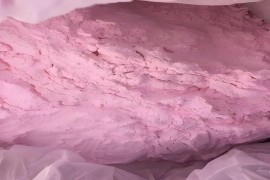
Erbium oxide, with the chemical formula Er₂O₃, is a pink powder. It is slightly soluble in inorganic acids and insoluble in water. When heated to 1300°C, it transforms into hexagonal crystals without melting. Erbium oxide is stable only in its Er₂O₃ form and features a cubic structure similar to manganese trioxide. The Er³⁺ ions are octahedrally coordinated. For reference, see the "Erbium Oxide Unit Cell" illustration. The magnetic moment of Er₂O₃ is notably high at 9.5 MB. Erbium oxide is primarily used as an additive in yttrium iron garnet, a control material for nuclear reactors, and in special luminescent and infrared-absorbing glass. It is also employed as a glass colorant and is used to make pink glass. Its properties and preparation methods are similar to those of other lanthanide elements.


2.Analysis of Difficulties in Exporting Erbium Oxide

(1). The commodity code for erbium oxide is 2846901920. According to China Customs regulations, exporters must hold a rare earth compound export license and provide necessary declaration elements. The export supervision conditions include 4 (export license), B (export clearance form for outbound goods), X (export license under the processing trade category), and Y (export license for border small-scale trade). The inspection and quarantine supervision category is statutory export commodity inspection.

(2).Exporting erbium oxide presents challenges as some airlines and shipping companies do not accept these goods, and export warehouses may refuse them. Therefore, exporters must confirm with airlines, shipping companies, and warehouses whether they can handle these goods before arranging air or sea freight and container loading.

(3).Packaging for erbium oxide must comply with the export requirements set by the Chinese Bureau of Commerce and Customs. Packaging must be formal, and a commercial inspection certificate and a GHS label must be provided.

(4).While the export and transportation of erbium oxide are permitted by policy, it cannot be mixed with other hazardous chemicals due to the risk of chemical reactions, combustion, and fire.

(5).Accuracy of data and information is crucial. Booking information, declaration information, and customs declaration details must be consistent and aligned. Any discrepancies or changes after confirming space can be troublesome, so thorough review is necessary.


3.Packaging Considerations for Exporting Erbium Oxide

(1).Verify through MSDS/UN codes and other sources whether erbium oxide is classified as a dangerous good in the importing country and if special packaging for hazardous materials is required.

(2).Packaging Regulations for Chemical Powders in Bags: For bagged powder products, the outer layer must be packed in plastic-coated textile or foil bags to prevent leakage and isolate the powder from static electricity.

(3).Packaging Regulations for Chemical Powders in Barrels: The barrel cover must be sealed, and the barrel ring should be secure. The barrel body must have tight seams without gaps and should be robust.

(4).Some importing countries may classify erbium oxide from China as an anti-dumping product. It is essential to confirm and provide proof of origin in advance.

  • #
  • #
  • #

-

4.Erbium Oxide Export Advantages

Erbium oxide is a sensitive commodity in terms of China's customs export declaration and international logistics. It requires stringent export customs declaration and logistics distribution procedures, along with complex documentation. UrbanMines Tech. Co., Ltd. operates an erbium oxide processing and production workshop in China domestic, specializing in quality control aspects such as purity, impurities, and particle size. UrbanMines is proficient in export declaration and international logistics for powdered products. UrbanMines Tech. Co., Ltd. offers a comprehensive, professional, and reliable one-stop service for erbium oxide production and supply to customers worldwide.


Top

What is the secret of Calacatta?

What is the secret of Calacatta? Why this marble is so popular? How many kinds of Calacatta (or Calacata) marble exist? 


Calacatta Marble


Calacatta Marble


Calacatta Marble


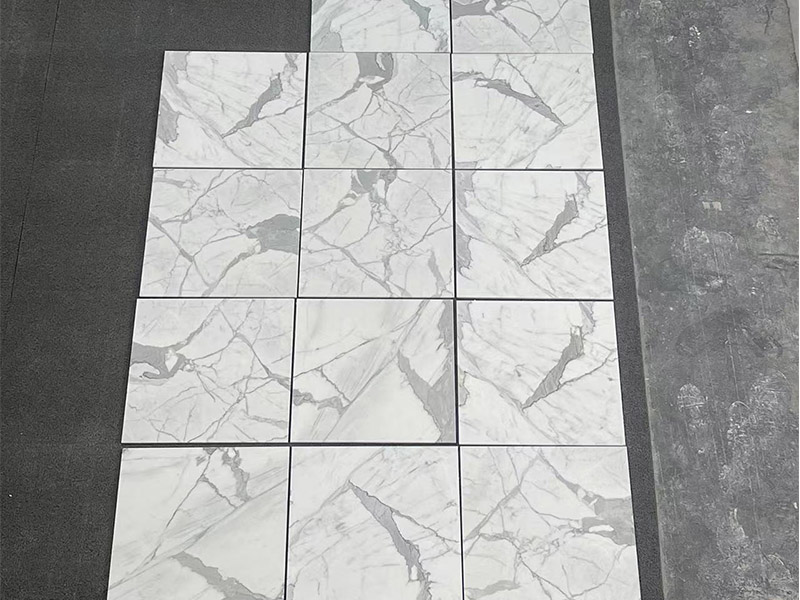
Calacatta marble is a distinctive white Italian marble with gray and gold veining.Marble Calacatta takes name from the localities in Carrara (Calacatta, Calagio e Calocara) and there only 5 quarries located in this small area that give marble named Calacatta. The main characteristic of this marble is pure white microcrystalline structure with graphic veining of all shades of grey and gold colors. Technically it is high density marble, very hard, with very law absorbtion coefficient, law flexibility and others very highly appreciated by engineers characteristics. But to me the main value of this marble is its uniqueness, history and prestige. Nowadays most of high end design projects bare inside some Calacatta. And  personally I don’t think it’s only the history of this marble used by Michelangelo, Canova and most of artists, but the fact that it’s warm white background and all shades of grey and gold colors match most of modern colors and designs - from minimal to very extravagant and striking effects.


 Available as marble slabs and marble tile in both honed and polished finishes, this elegant natural stone is the perfect choice to create stunning marble countertops, marble kitchen islands, marble floors and backsplashes.


Calacatta Marble Tiles


Calacatta Marble Tiles


Calacatta Marble Tiles

Top