Why Marble Pet Bowl is Good for Pets

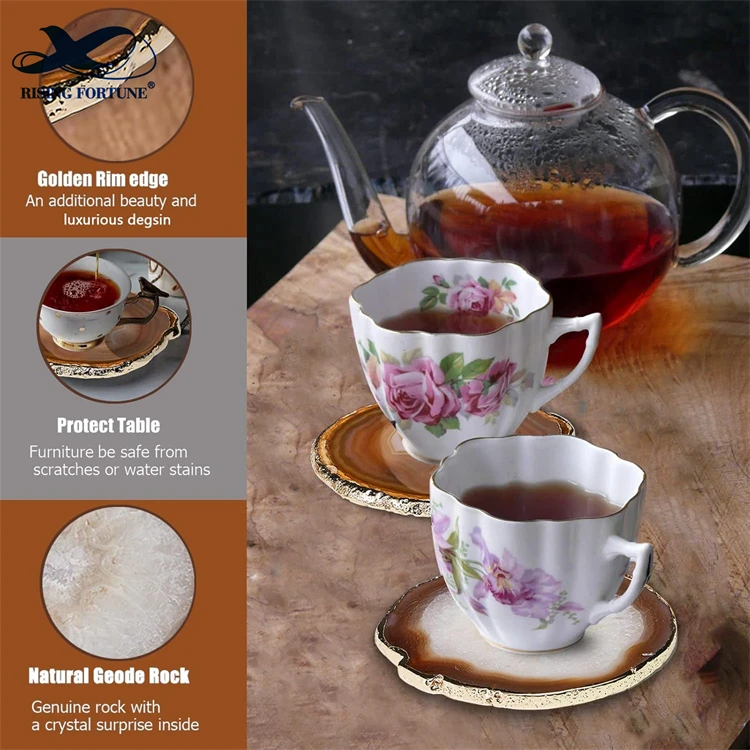
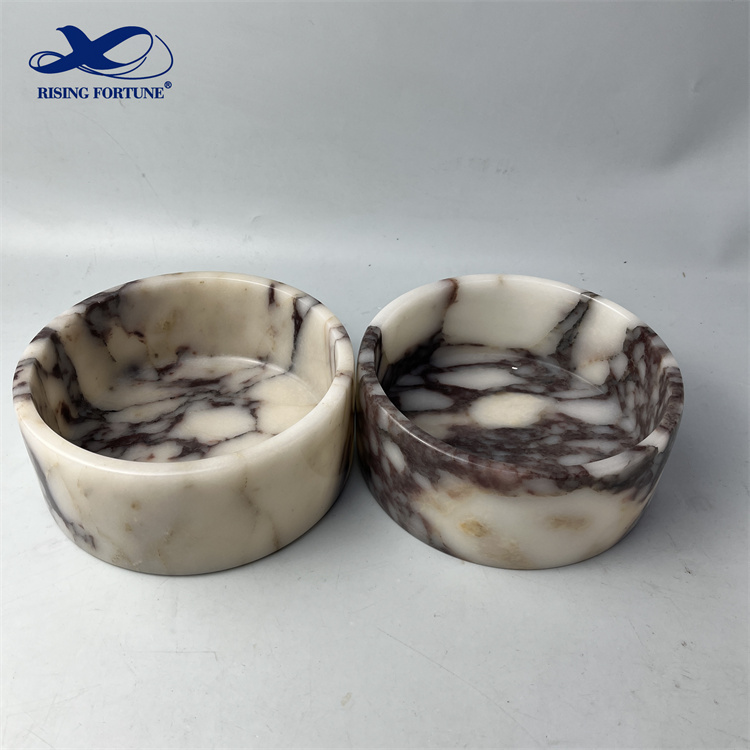
A marble pet bowl is a bowl specifically designed for pets, typically made of marble or featuring a marble-like design.

marble pet bowl

Marble is a durable and elegant material often used in various household items. Marble pet bowls offer a stylish and sophisticated option for pet owners who want to provide their pets with a functional and aesthetically pleasing feeding dish.


Marble pet bowls are available in various sizes to accommodate different types and sizes of pets.

Our regular sizes are:

D12*H5cm

D17*H7cm

D21*H9cm

They are typically designed with a wide and shallow shape, making it easier for pets to access their food or water. The weight of the marble bowl provides stability, minimizing the risk of tipping over during meal times.

pet bowls marble

In addition to their durability and stability, marble pet bowls are also easy to clean and maintain. Marble is a non-porous material, which means it doesn't absorb liquids or odors as easily as other materials. This makes it more hygienic and helps prevent the growth of bacteria or mold.

marble bowl pet food


If you want to know more information, please visit our home page, or contact May Lin by email: may@risingfortunetrading.com
sintered stone bathroom vanity sink cabinet


Top

Why Natural Stone Bathtubs Reign Supreme in 2024

You decide to take a bath after a long stressful day, You step into your bathroom, but instead of the standard white acrylic bathtub, sitting majestically in your bath space is a natural stone bathtub, You sink into its warm embrace, the smooth surface cool against your skin at first, then quickly radiating a comforting warmth. Gone are the sterile lines and potentially dated look of a traditional tub. In its place, a luxurious haven carved from nature itself.

carrara marble bathtub


This isn't just a dream; it's the reality that natural stone bathtubs offer in 2024. While the market boasts various bathtub materials, from acrylic to cast iron, natural stone reigns supreme. But why? In this article, we'll delve into the reasons why natural stone bathtubs stand out, offering a unique blend of beauty, functionality, and timeless style that elevates your bathroom from a simple bathing space to a spa-like sanctuary.

rosa quartz bathtub


1. Durability Duel:
When it comes to durability, natural stone takes the crown. Cast iron tubs can be prone to cracking, and acrylic can scratch or chip with improper cleaning. Natural stone, however, is incredibly strong and resistant to scratches and chips. With proper care, a natural stone bathtub can last for generations, becoming a cherished heirloom in your home.

2. Heat Retention Showdown
Imagine stepping into a lukewarm bath after a long soak. Many bathtub materials lose heat quickly, leading to a less-than-luxurious experience. Natural stone excels in heat retention. The stone itself absorbs and retains heat, keeping your bathwater warm for a longer period, and allowing you to enjoy a truly spa-like experience.

3. Beyond the Basics: Unique Advantages of Natural Stone
Stone bathtubs offer more than just stunning aesthetics and unmatched durability. They boast a range of unique advantages that elevate the bathing experience and enhance your bathroom in unexpected ways.

4. Uniqueness Factor
Unlike the uniformity of mass-produced materials, natural stone celebrates individuality. Each stone has its own inherent variations in color and veining. This means your marble bathtub is a one-of-a-kind piece, a work of art sculpted by nature itself. It injects a touch of personalized luxury into your bathroom, unlike any other material can.


If you want to know more information, please visit our home page, or contact May Lin by email: may@risingfortunetrading.com

natural marble freestanding bathtub


Top

Sodium antimonate - the future choice to promote industry upgrading and replace antimony trioxide

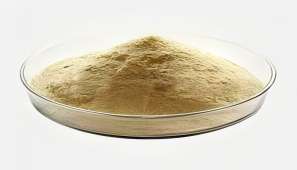
As the global supply chain continues to change, China Customs has recently imposed restrictions on the export of antimony products and antimony compounds. This has put certain pressure on the global market, especially on the supply stability of products such as antimony oxide. As China's leading sodium antimonate R&D and production company, Urban Mining Technology Co., Ltd. pays close attention to the huge potential of sodium antimonate in replacing traditional antimony trioxide (Sb₂O₃). Sodium antimonate ((Na3SbO4) has gradually replaced traditional antimony trioxide in the application of multiple industries, especially in the field of modified engineering plastics combustion additives and polyester industry catalysts (catalysts).


This article will deeply explore the principles, advantages, and industry prospects of sodium antimonate replacing antimony trioxide.


1. The basic difference between sodium antimonate and antimony trioxide


Although sodium antimonate and antimony trioxide are both antimony compounds, they have significant differences in chemical properties, physical characteristics, and application areas.


Antimony trioxide (Sb₂O₃): is one of the most common antimony compounds and is widely used in the plastics industry as a flame retardant, especially in polyvinyl chloride (PVC), polyolefins, and other engineering plastics. Its main function is to improve the flame-retardant properties of plastic materials and reduce the risk of fire. However, antimony trioxide has also gradually attracted industry attention due to its potential toxicity and impact on the environment.


Sodium antimonate (Na3SbO4): It is another important compound of antimony. It has strong antioxidant properties and does not contain toxic heavy metal components. Therefore, it is considered to be a more ideal substitute for the current increasingly stringent environmental protection requirements. Sodium antimonate is widely used in plastic modification, polyester catalysis, ceramics, glass, and other fields.


2. The principle of sodium antimonate replacing antimony trioxide


The core principle of sodium antimonate replacing antimony trioxide is mainly reflected in the following aspects:


Improve the flame retardant effect. 

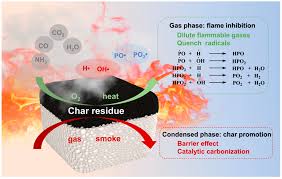
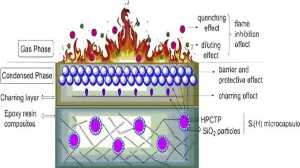
Sodium antimonate has excellent stability at high temperatures. It can react with halogen-containing polymers during plastic processing to form a solid flame-retardant film, significantly improving the flame-retardant effect of the material. As a flame-retardant additive, sodium antimonate can not only improve the flame-retardant properties of the material but also reduce the amount of smoke generated by the material in the flame, which is a clear advantage over traditional antimony trioxide.


Catalytic performance 

In the polyester industry, sodium antimonate can effectively increase the polymerization reaction rate of polyester and enhance the molding efficiency of polyester fibers after being used as a catalyst (catalyst) to replace antimony trioxide, while avoiding the environmental pollution and human health risks that may be caused by traditional catalysts. Sodium antimonate as a catalyst can accurately control the reaction rate, improve product quality, and reduce waste gas emissions and the generation of by-products.


Environmental protection and safety 

Unlike antimony trioxide, sodium antimonate does not contain harmful pollutants such as sulfur dioxide, and its production and use have little impact on the environment. Its safety and environmental protection make it an ideal substitute under increasingly stringent environmental regulations around the world, especially in the EU, the United States, and other regions, where environmental protection requirements have made the use of sodium antimonate more promising.


3. Advantages of Sodium Antimonate


Compared with antimony trioxide, sodium antimonate has lower toxicity and better environmental friendliness. Traditional antimony trioxide may release harmful gases during use, posing a potential threat to the health of production workers, while sodium antimonate greatly reduces this problem. It does not contain any ingredients that are harmful to the human body and meets the strict requirements of countries around the world on the use of chemicals and environmental protection.


High performance and stability 

As a flame retardant additive, sodium antimonate has excellent thermal stability and antioxidant capacity. It can maintain long-term stability under high temperature and high-pressure conditions and is suitable for the processing requirements of various engineering plastics. Its catalytic performance in polyester and other polymer materials is also particularly outstanding, which can improve the reaction efficiency of polymers and thus improve the performance of the final product.


Cost-effectiveness: 

The production cost of sodium antimonate is relatively stable compared to antimony trioxide, and with the continuous advancement of technology, its production process has gradually matured. For industries that require large-scale use of antimony compounds, sodium antimonate can not only provide excellent performance but also effectively reduce the environmental governance costs in the production process and improve the overall economic benefits.


Wide application:

Widely used in many industries such as plastics, catalysis, ceramics, glass, and coatings, and has great potential to replace traditional antimony trioxide. In the fields of flame retardant additives, catalysts, and other chemicals, the use of sodium antimonate is gradually becoming an industry standard.

  • #
  • #
  • #


4. Industry prospects and the role of urban mining technology


As global environmental protection requirements become increasingly stringent, especially in markets such as Europe and the United States, companies' demand for sodium antimonate continues to grow. Especially in the fields of plastics, coatings, polyesters, electronic components, etc., sodium antimonate has a broad application prospect. As a leading company in the field of sodium antimonate in China, UrbanMines Tech. Limited is committed to the research development, and production of high-purity, high-quality sodium antimonate products. The company ensures the best application effect of sodium antimonate in various industries through innovative production processes and strict quality control systems.

In the future, UrbanMines Tech. Limited will continue to promote the popularization and application of sodium antimonate products in the international market and provide global customers with safer, more environmentally friendly, and efficient solutions. At the same time, the company will increase investment in research and development to further improve the comprehensive performance of its products to meet the growing market demand for high-performance materials.


Conclusion


As a substitute for antimony trioxide, sodium antimonate is becoming the focus of attention in various industries due to its excellent environmental protection, safety, catalytic properties, and cost-effectiveness. With the increasing attention paid to environmental protection standards around the world, sodium antimonate will undoubtedly become an important part of future materials science and industrial production. UrbanMines Tech. Limited's leading position in this field will help global customers meet the challenges of antimony product supply while welcoming a greener, safer, and more efficient future.

Top

Colloidal Antimony Pentoxide Improving flame retardancy and environmental friendliness

As people's requirements for safety and environmental protection continue to increase, Colloidal Antimony Pentoxide (CAP) as a highly effective flame retardant additive is rapidly expanding in the fields of coatings, textiles, resin materials, etc. UrbanMines Tech. Limited provides customized product solutions for different industries through in-depth research on the stability and particle size distribution of Colloidal Antimony Pentoxide, further promoting the widespread application of this technology.


Colloidal Antimony Pentoxide Overview


Colloidal Antimony Pentoxide is a water-based anionic dispersion containing water-soluble particles of antimony pentoxide (Sb₂O₅). It is a milky white liquid and usually contains 27%, 30%, and 47.5% antimony pentoxide. The colloid is prepared by a reflux oxidation system using a simple process. It is not only stable but also not easy to precipitate under normal conditions, ensuring its uniformity and reliability during use. The product also contains triethanolamine (CAS# 100-17-56-8, C₆H₁₅NO₃) to help enhance its dispersibility and processing performance.


Core Advantages


1.Enhance substrate permeability 

Colloidal Antimony Pentoxide can penetrate well into the surface of substrates, especially in the production of coatings, films and laminates, and can significantly improve the flame retardant properties of the materials without affecting the mechanical properties or appearance of the materials themselves. Colloidal Antimony Pentoxide also performs well in applications that require a translucent effect.

2.Low pigmentation effect     

Due to its strong liquid dispersibility, the addition of Colloidal Antimony Pentoxide will not significantly affect the substrate's color depth. Therefore, when used in coatings and textiles, it can maintain the original color tone or whitening effect, avoiding the darkening or yellowing problems common with traditional flame retardants.

3.Easy handling and processing      

The colloid exhibits excellent fluidity during processing, will not clog the spray gun, and does not require additional special dispersing equipment, which reduces production costs and improves production efficiency. Its liquid state makes its application in coatings and other water-based systems more convenient and flexible.

4.Highly effective flame retardant performance  

Colloidal Antimony Pentoxide has a high flame retardant efficiency and can significantly improve the flame retardant effect without significantly increasing the weight of the material or changing the physical properties. This feature makes it an ideal choice for many high-demand flame retardant fields, such as copper-clad laminates of electronic equipment, polyester resins, epoxy resins, and phenolic resins.


Main application areas


1.Coatings and Films      

In coatings and films, Colloidal Antimony Pentoxide not only provides excellent flame retardant properties but also meets the needs of high-end coatings and decorative coatings due to its good dispersibility and transparency. Whether in automotive coatings or architectural coatings, it can improve their fire resistance and safety.

2.Flame retardant treatment of textiles      

Colloidal Antimony Pentoxide can be used as a highly effective flame retardant for textiles such as carpets, curtains, sofa covers, tarpaulins, and high-grade wool fabrics. By combining with textile materials efficiently, it can significantly reduce the risk of fire and ensure the safety of living and working environments.

3.Flame retardant enhancer for resin materials      

In the flame retardant treatment of copper-clad laminates, polyester resins, epoxy resins, and phenolic resins, the addition of Colloidal Antimony Pentoxide can significantly improve the fire resistance of these materials. It is widely used in electronic products, building materials, and other fields to ensure their safety and stability in high-temperature environments.

4.Oil refining industry and wastewater treatment      

Colloidal Antimony Pentoxide is used as a metal passivator in the petroleum refining industry, which can effectively improve the stability and efficiency of oil and residual oil in the catalytic cracking and catalytic forming process. In addition, its application in sewage treatment also demonstrates its important role in environmental protection.

  • #
  • #
  • #


Environmental protection and safety


As global environmental regulations become increasingly stringent, Colloidal Antimony Pentoxide's water-based formula ensures that it is environmentally friendly during use. Compared with traditional organic solvent flame retardants, it does not release harmful gases and is a safer and green choice.


Conclusion


Colloidal Antimony Pentoxide has demonstrated its unique advantages in many fields. From textiles to coatings, resins, and even petroleum refining, the high-quality Colloidal Antimony Pentoxide is provided by UrbanMines Tech. Limited is gradually becoming the preferred additive for improving product safety and performance due to its excellent stability and wide adaptability. By optimizing experimental parameters and further promoting the in-depth research and application of this technology, UrbanMines provides more precise product solutions for global customers, helping enterprises stand out in the fierce market competition.

Top

Application and Prospect of High Purity Crystalline Boron Powder in Semiconductor Industry

In modern semiconductor manufacturing processes, the purity of materials is critical to the performance of the final product. As China's leading high-purity crystalline boron powder manufacturer, UrbanMines Tech. Limited, relying on its technological advantages, is committed to the research and development and production of high-purity boron powder that meets the needs of the semiconductor industry, among which 6N purity crystalline boron powder is particularly prominent. Boron doping technology plays a vital role in the production of semiconductor silicon ingots, which not only improves the electrical properties of silicon materials, but also promotes more efficient and more precise chip manufacturing. Today, we will take a deep look at the application, effect, and competitiveness of 6N purity crystalline boron powder in the semiconductor industry in China and the global market.


1. Application principle and effect of 6N purity crystalline boron powder in silicon ingot production


Silicon (Si), as the basic material of the semiconductor industry, is widely used in integrated circuits (ICs) and solar cells. In order to improve the conductivity of silicon, it is often necessary to change its electrical properties by doping with other elements. Boron (B) is one of the most commonly used doping elements. It can effectively adjust the conductivity of silicon and control the p-type (positive) semiconductor properties of silicon materials. The boron doping process usually occurs during the growth of silicon ingots. The combination of boron atoms and silicon crystals can form ideal electrical properties in silicon crystals.

As a doping source, 6N (99.999999%) pure crystalline boron powder has extremely high purity and stability, which can ensure that no impurities are introduced during the silicon ingot production process to avoid affecting the quality of crystal growth. High-purity boron powder can accurately control the doping concentration of silicon crystals, thereby achieving higher performance in chip manufacturing, especially in high-end integrated circuits and high-performance solar cells that require precise electrical property control.

The use of high-purity boron powder can effectively avoid the negative impact of impurities on the performance of silicon ingots during the doping process and improve the electrical, thermal and optical properties of the crystal. Boron-doped silicon materials can provide higher electron mobility, better current-carrying capabilities, and more stable performance when temperature changes, which is critical to the reliability and performance of modern semiconductor devices.


2. Advantages of China’s high-purity crystalline boron powder


As the world's leading producer of semiconductor materials, China has made significant progress in the production technology and quality control of high-purity crystalline boron powder. Domestic companies such as Urban Mining Technology Company have occupied an important position in the global market with their advanced R&D technology and production processes.


Advantage 1: Leading technology and sufficient production capacity


China has continuously innovated in the production technology of high-purity crystalline boron powder, and has a complete production process and strict quality control system. Urban Mining Technology Company adopts the refined production technology independently developed, which can stably produce crystalline boron powder with a purity of more than 6N to meet the high-end needs of the semiconductor industry at home and abroad. The company has made major breakthroughs in the purity, particle size, and dispersibility of boron powder, ensuring that the product can meet the strict requirements of semiconductor manufacturers for high-performance materials.


Advantage 2: Strong cost competitiveness


Due to China's advantages in raw materials, energy and production equipment, the domestic production cost of high-purity crystalline boron powder is relatively low. Compared with the United States, Japan, South Korea and other countries, Chinese companies can offer more competitive prices while ensuring high product quality. This makes China occupy an important position in the global semiconductor industry material supply chain.


Advantage 3: Strong market demand


As China's semiconductor industry continues to grow, local companies' demand for high-purity crystalline boron powder has increased dramatically. China is accelerating the independent control of the semiconductor industry and reducing its dependence on imported high-end materials. Companies such as Urban Mining Technology are actively responding to this trend, expanding production capacity and improving product quality to meet the rapid growth of the domestic market.

  • #
  • #
  • #


3. Current status of the global semiconductor industry


The global semiconductor industry is a highly competitive and technology-intensive industry, with major players including the United States, Japan, South Korea, Europe and other countries and regions. As the basis of semiconductor manufacturing, the quality of silicon ingot production directly determines the performance of subsequent chips. Therefore, the demand for high-purity crystalline boron powder is also increasing.


the United 

States has strong silicon ingot production and semiconductor manufacturing capabilities. The US market's demand for high-purity crystalline boron powder is mainly concentrated in the manufacture of high-end chips and integrated circuits. Due to the high price of boron powder produced in the United States, some companies rely on importing high-purity crystalline boron powder from Japan and China.


Japan 

has a long-term technical accumulation in the production of high-purity materials, especially in the preparation of boron powder and silicon ingot doping technology. Some high-end semiconductor manufacturers in Japan, especially in the field of high-performance computing chips and optoelectronic devices, have a stable demand for high-purity crystalline boron powder.


South 

Korea's semiconductor industry, especially companies such as Samsung and SK hynix, has an important share in the global market. South Korean companies' demand for high-purity crystalline boron powder is mainly concentrated in the fields of memory devices and integrated circuits. South Korea's R&D investment in material technology is also increasing, especially in improving the purity and doping uniformity of boron powder.


4. Future Outlook and Conclusion


With the continuous development of the global semiconductor industry, especially the rapid rise of emerging technologies such as high-performance computing, artificial intelligence, and 5G communications, the demand for high-purity crystalline boron powder will further increase. As an important producer of high-purity crystalline boron powder, Chinese manufacturers have strong competitiveness in technology, quality, and cost. In the future, with further breakthroughs in technology, Chinese companies are expected to occupy a more important position in the global market.


With its strong R&D and production capabilities, UrbanMines Tech. Limited is actively developing domestic and foreign markets to provide stable and reliable high-purity crystalline boron powder products for the global semiconductor industry. As the process of independent control of China's semiconductor industry accelerates, domestically produced high-purity crystalline boron powder will provide a more solid material guarantee for the innovation and development of the global semiconductor industry.


Conclusion


As a key material in the semiconductor industry chain, 6N high-purity crystalline boron powder plays an indispensable role in the production of silicon ingots. Chinese companies are occupying an important position in the global semiconductor materials market with their technological innovation and production advantages. In the future, with the continuous development of semiconductor technology, the market demand for crystalline boron powder will continue to grow, and Chinese high-purity crystalline boron powder manufacturers will continue to promote technological progress and lead the future development direction of the industry.

Top

Drive innovation in high purity boron powder

UrbanMines.: Promoting innovation in high-purity boron powder to boost the development of the semiconductor and solar energy industries


With years of technical accumulation and innovative breakthroughs in the field of high-end materials, UrbanMines Tech. Limited has developed and produced 6N high-purity crystalline boron powder and 99.9% purity amorphous boron powder (non-crystalline boron powder). These two boron powder products play a vital role in the production of semiconductor silicon ingots and the manufacture of solar electronic slurries. This article will detail the technical advantages and industry prospects of Urban Urban Mines Tech. Limited in the field of boron powder from multiple aspects such as principles, technical processes, advantages, and market trends.


1.6N high-purity crystalline boron powder: the core raw material that promotes the semiconductor industry


Principle and technical process


6N high-purity crystalline boron powder is mainly used to produce semiconductor silicon ingots. Boron, as an important doping element, can adjust the electrical properties of silicon materials and optimize the performance of semiconductor devices. High-purity crystalline boron powder has extremely high chemical stability and good electrical properties, which is crucial in improving the performance of silicon-based semiconductor materials.

During the production process, Metropolitan Mining Technology Co., Ltd. uses advanced high-temperature synthesis technology and precise purification processes to ensure that the purity of the final product reaches 6N (99.9999%) through strict purification steps (such as high-temperature smelting, gas fluoride treatment, electron beam evaporation, etc.). In addition, advanced particle size control and precise powder characterization technology ensure the particle size uniformity and crystal structure stability of crystalline boron powder, further improving its application performance in the semiconductor industry.


Advantages


1. Ultra-high purity: The high purity of 6N ensures the stability and efficient doping effect of boron powder, reduces the impact of impurities on silicon ingots, and significantly improves the electrical properties of semiconductor materials.

2. Efficient doping: High-purity crystalline boron powder can ensure uniform and stable doping effects during the production process of silicon ingots, improving the reliability and performance of semiconductor devices.

3. High chemical stability: It can effectively cope with extreme working conditions such as high temperature and high pressure, and meet the increasingly stringent quality requirements of the semiconductor industry.


Market dynamics


As the global semiconductor industry continues to develop, the demand for high-performance semiconductor materials continues to increase. As a key raw material, 6N high-purity boron powder is increasingly becoming a necessary choice for the production of semiconductor silicon ingots. With the rapid development of 5G, artificial intelligence, the Internet of Things, and other technologies, the global demand for high-end semiconductor materials will continue to grow. In particular, the production of silicon wafer products with sub-micron precision requires 6N high-purity boron powder to ensure the quality of the materials. Performance and stability.

  • #
  • #
  • #


2.99.9% pure amorphous boron powder: promoting innovation in the solar industry


Principles and technical processes


99.9% pure amorphous boron powder (non-crystalline boron powder) is mainly used in the manufacture of solar electronic slurry. Amorphous boron powder serves as an important dopant in electronic slurries and can significantly improve the photoelectric conversion efficiency of solar cells. Due to its high purity characteristics, it can provide more uniform photoelectric performance and effectively improve the stability and long-term efficiency of the battery.

Urban Mine Technology Co., Ltd. has produced amorphous boron powder with a purity of 99.9% through efficient chemical vapor deposition (CVD) and ball milling technology. Amorphous boron powder is different from crystalline boron powder in that it does not have a long-term stable lattice structure. This structural characteristic enables it to better interact with other materials in electronic pastes and improve optoelectronic performance.

 

Advantages


1. Improve photoelectric efficiency: Amorphous boron powder has high surface activity and can effectively improve the electron transmission performance of solar cells, thereby improving photoelectric conversion efficiency.

2. Enhance battery stability: Boron powder with an amorphous structure can optimize the performance of electronic paste, improve the long-term stability and anti-degradation ability of solar cells, and extend the service life of batteries.

3. Low-cost advantage: Compared with other high-purity crystalline boron powders, the production cost of amorphous boron powder is relatively low, which can help solar manufacturers reduce material costs and improve industry competitiveness.


Market Dynamics


With the transformation of the global energy structure and the increasing demand for renewable energy, the solar energy industry is experiencing rapid growth. According to a report by the International Energy Agency (IEA), global solar energy installed capacity is expected to increase significantly by 2030. To meet the needs of large-scale photovoltaic cell production, efficient and stable electronic paste has become the key to the development of the industry. Amorphous boron powder with a purity of 99.9% is an important support for this demand, which can improve the performance of photovoltaic cells while reducing production costs.


3.Conclusion: Technological innovation and market prospects go hand in hand


UrbanMines Tech. Limited's high-purity boron powder, whether 6N crystalline boron powder or 99.9% pure amorphous boron powder, represents the current advanced material technology level and meets the urgent needs of the semiconductor and solar energy industries for high-performance raw materials. Through continuous technology research and development and production process optimization, the company not only provides high-quality boron powder products to global customers but also promotes technological progress and industrial upgrading in related industries.

Looking to the future, with the continuous development of the semiconductor and solar energy industries, UrbanMines Tech. Limited will continue to increase its R&D investment, continuously improve the purity and performance of its products, and strive to become a global technology leader in the field of boron powder, contributing more to the world's scientific and technological innovation and sustainable development.

Top

What are the differences between cesium tungsten bronze, cesium tungsten oxide, and cesium tungstate in terms of chemical properties and application fields?

UrbanMines Tech., Ltd. specializes in the research, production, and supply of high-purity compounds of tungsten and cesium. Many domestic and foreign customers cannot clearly distinguish between the three products of cesium tungsten bronze, cesium tungsten oxide, and cesium tungstate. In order to answer the questions of our customers, our company's technical research and development department compiled this article and explained it thoroughly. Cesium tungsten bronze, cesium tungsten oxide, and cesium tungstate are three different compounds of tungsten and cesium, and they have their own characteristics in chemical properties, structure, and application fields. The following are their detailed differences:


1. Cesium Tungsten Bronze Cas No.189619-69-0

Chemical formula: Usually CsₓWO₃, where x represents the stoichiometric amount of cesium (usually less than 1).

Chemical properties :

Cesium tungsten bronze is a type of compound with chemical properties similar to that of metallic bronze, mainly a metal oxide complex formed by tungsten oxide and cesium.

Cesium tungsten bronze has strong electrical conductivity and electrochemical properties of certain metal oxides and generally has good stability to heat and chemical reactions.

It has certain semiconductor or metallic conductivity and can exhibit certain electromagnetic properties.

Application areas :

Catalyst: As a functional oxide, it has important applications in certain catalytic reactions, especially in organic synthesis and environmental catalysis.

Electrical and electronic materials: The conductivity of cesium tungsten bronze makes it used in electronic components and optoelectronic devices, such as photovoltaic devices and batteries.

Materials Science: Due to its special structure, cesium tungsten bronze may be used to study the electrical conductivity and magnetic properties of materials.

  • #
  • #
  • #


2. Cesium Tungstate Oxide CAS Number. 52350-17-1

Chemical formula: Cs₂WO₆ or other similar forms depending on oxidation state and structure.

Chemical properties :

Cesium tungsten oxide is a compound of tungsten oxide combined with cesium, usually in a high oxidation state (+6).

It is an inorganic compound, showing good stability and high-temperature resistance.

Cesium tungsten oxide has a high density and strong radiation absorption ability, which can effectively shield X-rays and other types of radiation.

Application areas :

Radiation protection: Cesium tungsten oxide is widely used in X-ray equipment and radiation protection materials due to its high density and good radiation absorption properties. It is commonly found in medical imaging and industrial radiation equipment.

Electronics Industry: Cesium tungsten oxide may also be used to make specific radiation shielding materials in high-energy physics experiments and electronic equipment.

Catalysts: It also has potential applications in certain catalytic reactions, especially under high temperatures and strong radiation conditions.


1.Cesium Tungstate CAS Number 13587-19-4

Chemical formula: Cs₂WO₄

Chemical properties :

· Cesium tungstate is a type of tungstate, with tungsten in the oxidation state of +6. It is a salt of cesium and tungstate (WO₄²⁻), usually in the form of white crystals.

· It has good solubility and dissolves in an acidic solution.

Cesium tungstate is an inorganic salt that generally exhibits good chemical stability, but may be less thermally stable than other forms of tungsten compounds.

Application areas :

Optical materials: Cesium tungsten is often used in the manufacture of certain special optical glasses due to its good optical properties.

· Catalyst: As a catalyst, it may have applications in certain chemical reactions (especially at high temperatures and acidic conditions).

- Tech field: Cesium tungstate is also used in the production of some high-end electronic materials, sensors, and other fine chemical products.

Summary and comparison:

Compound Chemical formula Chemical properties and structure Main application areas
Cesium Tungsten Bronze CsₓWO₃ Metal oxide-like, good conductivity, electrochemical properties Catalysts, electronic materials, optoelectronic devices, high-tech materials
Cesium Tungsten Oxide Cs₂WO₆ High density, excellent radiation absorption performance Radiation protection ( X- ray shielding), electronic equipment, catalysts
Cesium Tungstate Cs₂WO₄ Good chemical stability and good solubility Optical materials, catalysts, high-tech applications


Main differences:

1.

Chemical properties and structure :

2.

·Cesium tungsten bronze is a metal oxide formed by tungsten oxide and cesium, which exhibit the electrochemical properties of metal or semiconductors.

·Cesium tungsten oxide is a combination of tungsten oxide and cesium, mainly used in high-density and radiation absorption fields.

· Cesium tungstate is a combination of tungstate and cesium ions. It is usually used as an inorganic salt and has applications in catalysis and optics.

3.

Application areas :

4.

· Cesium Tungsten Bronze focuses on electronics, catalysis, and materials science.

· Cesium tungsten oxide is mainly used in radiation protection and certain high-tech equipment.

· Cesium tungstate is widely used in the fields of optical materials and catalysts.


Therefore, although these three compounds all contain the elements cesium and tungsten, they have significant differences in chemical structure, properties, and application areas.

Top

Infrared absorption characteristics of rare earth materials and infrared imaging technology

Introduction


Infrared technology has a wide range of applications in the military, medical, industrial, and other fields. Rare earth materials are important functional materials that possess unique advantages in terms of infrared absorption characteristics and infrared imaging technology. UrbanMines Tech Co., Ltd. specializes in researching, developing, producing, and supplying rare earth compounds to users worldwide. A significant portion of these high-quality products is utilized for infrared absorption purposes. The R&D department of UrbanMines compiled this article to address technical inquiries from our customers.


Infrared absorption characteristics of rare earth materials :


Rare earth materials are composed of rare elements and have unique electronic structures and physical properties, making them

The 3f electron shell structure of rare earth ions makes their energy levels split greatly, thus leading to

Rare earth materials have rich emission and absorption capabilities in the infrared band.

The infrared absorption characteristics of rare earth materials depend on their chemical composition and crystal structure.

Materials (such as cerium oxide, dysprosium oxide, etc.) show strong absorption ability in the infrared band, and their absorption peaks are usually located at

In the 3-5 micron or 8-14 micron band. Fluoride rare earth materials (such as yttrium fluoride, cerium fluoride, etc.)

It has good infrared absorption performance in a wide range.

In addition to chemical composition and crystal structure, the infrared absorption characteristics of rare earth materials are also affected by external conditions.

For example, changes in temperature and pressure can cause the absorption peak of rare earth materials to shift or deform.

The force-sensitive absorption properties make rare earth materials valuable for applications in infrared thermal imaging and infrared radiation measurement.

Value.


Application of rare earth materials in infrared imaging technology :


Infrared imaging technology is a technology that uses the radiation characteristics of objects in the infrared band to perform imaging.

As an infrared-absorbing material, it has the following applications in infrared imaging technology:


1. Infrared thermal imaging

Infrared thermal imaging technology obtains images by measuring the radiation temperature distribution of objects in the infrared band.

Detect the heat distribution and temperature changes of the target. The infrared absorption characteristics of rare earth materials make them an ideal target for infrared thermal imaging.

One of the most important materials in technology. Rare earth materials can absorb infrared radiation energy and convert it into heat energy.

By detecting and processing the infrared radiation of an object, the object's

Thermal distribution images enable non-contact and non-destructive detection of targets.


2. Infrared radiation measurement

The infrared absorption characteristics of rare earth materials can also be applied to infrared radiation measurement.

The radiation characteristics of the body in the infrared band are used to study the thermodynamic properties of the object, such as surface temperature, radiation flux, etc.

The infrared absorption characteristics of soil materials enable them to absorb infrared radiation, thereby measuring the infrared radiation of the object being measured.

By measuring the intensity and spectral characteristics of infrared radiation, relevant parameters of the target object can be obtained and further studied.

Study the thermodynamic and radiation properties of objects.


In conclusion

Rare earth materials have good infrared absorption properties, which makes them very useful in infrared absorption and infrared imaging technology.

The infrared absorption characteristics of rare earth materials depend on their chemical composition, crystal structure, and external.

In infrared imaging technology, rare earth materials can be used in infrared thermal imaging and infrared radiation measurement.

The unique characteristics of rare earth materials provide new ideas and methods for the development of infrared technology.

With the in-depth study of the infrared absorption characteristics of rare earth materials, their application in infrared technology will become more extensive and profound.

Enter.


Top

The application and driving role of manganese tetraoxide in the ceramic pigment and colorant industry

With the advancement of science and technology and the continuous changes in market demand, the research and development innovation of pigments and colorants in the ceramic, glass, and coating industries has gradually developed towards high performance, environmental protection, and stability. In this process, manganese tetraoxide (Mn₃O₄), as an important inorganic chemical substance, plays an increasingly important role in the ceramic pigment and colorant industry due to its unique physical and chemical properties.


Characteristics of manganese tetraoxide


Manganese tetraoxide is one of the oxides of manganese, usually appearing in the form of dark brown or black powder, with strong thermal stability and chemical inertness. Its molecular formula is Mn₃O₄, showing a unique electronic structure, which makes it have a wide range of application prospects in many fields, including ceramics, glass, and metal industries. Especially during high-temperature firing, manganese tetraoxide can maintain stable chemical properties, is not easy to decompose or change, and is suitable for high-temperature fired ceramics and glazes.


Application principle of manganese tetraoxide in ceramic pigment and colorant industry


Manganese tetraoxide plays a key role as a colorant and pigment carrier in the ceramic pigment and colorant industry. Its main application principles include:


Color formation: Manganese tetraoxide can react with other chemical substances in the ceramic glaze to generate stable pigments such as dark brown and black during high-temperature firing. These colors are widely used in decorative ceramic products such as porcelain, pottery, and tiles. Manganese tetraoxide is usually used as a colorant to bring delicate and durable color effects to ceramics.


Thermal stability: Since the chemical properties of manganese tetraoxide are stable at high temperatures, it can resist temperature changes in ceramic glazes and other chemical reactions during firing, so it can maintain its color for a long time and ensure the high-quality performance of ceramic products.


Non-toxic and environmentally friendly: As an inorganic pigment, manganese tetraoxide does not contain harmful substances. Therefore, in modern ceramic production, manganese tetraoxide can not only provide high-quality color effects but also meet environmental protection requirements and meet consumers' needs for safety and environmental protection.


The role of manganese tetraoxide in improving the ceramic pigment and colorant industry


Improving color quality and stability: Due to its stable chemical properties and excellent thermal stability, manganese tetraoxide can maintain a stable coloring effect during the ceramic firing process, avoid fading or discoloration of the pigment, and ensure the long-lasting beauty of ceramic products. Therefore, it can significantly improve the quality and appearance of ceramic products.


Improving the production process of ceramic products: As a colorant and chemical additive, manganese tetraoxide can help ceramic manufacturers simplify the production process. Its stability at high temperatures allows the glaze in the ceramic production process to maintain high-quality color without too much adjustment.


Enhancing the gloss and depth of pigments: In the painting and glaze treatment of ceramics, manganese tetraoxide can enhance the gloss and color depth of ceramic products, making the visual effect of the products richer and more three-dimensional, in line with the needs of modern consumers for artistic and personalized ceramics.


Environmental protection and sustainable development: With the improvement of environmental protection requirements, manganese tetraoxide, as a non-toxic and pollution-free natural mineral, meet the environmental protection requirements of modern ceramic pigments. Manufacturers use manganese tetraoxide to effectively reduce the emission of harmful substances in the production process and meet the standards of green manufacturing.


The current status of the application of manganese tetraoxide in the inorganic pigment and pigment chemical industry in the United States


In the United States, the inorganic pigment and chemical industries are developing rapidly, and manganese tetraoxide has gradually become one of the important raw materials in the ceramic, glass, and coating industries. Many American ceramic manufacturers, glass manufacturers, and art ceramic crafts manufacturers have begun to use manganese tetraoxide as one of the colorants to improve the color effect and stability of the products.


Widely used in the ceramic industry: American ceramic products, especially artistic ceramics, tiles, and tableware, generally use manganese tetraoxide to achieve color diversity and depth. With the increasing market demand for high-quality ceramic products, the use of manganese tetraoxide has gradually become an important factor in improving the competitiveness of ceramic products.

  • #
  • #
  • #


Promoted by environmental regulations: The strict environmental regulations in the United States have led to an increasing demand for harmless and environmentally friendly pigments and chemicals. Manganese tetraoxide meets these environmental requirements, so it has strong competitiveness in the market. Many ceramic pigment manufacturers choose to use manganese tetraoxide as the main colorant.


Promoted by technological innovation and market demand: With the continuous innovation of technology, the application of manganese tetraoxide is not only limited to the traditional ceramic and glass industries but also expanded to the emerging coating industry, especially in the field of coatings that require high-temperature resistance and strong weather resistance. Its excellent coloring effect and stability have gradually made it recognized in these fields.


Conclusion: The prospects of manganese tetraoxide in the ceramic pigment and colorant industry


As a high-performance inorganic pigment and colorant, the application of manganese tetraoxide in the ceramic, glass, and coating industries will provide strong support for the improvement of product quality and the optimization of production processes. With the advancement of technology and the increasing market demand for environmentally friendly and durable products, manganese tetraoxide will show a broader application prospect in the global market, especially in the ceramic pigment and inorganic pigment industry in the United States. Through innovation and reasonable application, manganese tetraoxide can not only promote the high-quality development of ceramic products but also promote the green and sustainable development of the industry.

Top

How can natural - stone stair treads be made durable?

Natural granite or marble stairs are very common products. They are indispensable for stair treads in home decoration, hotels, airports, subways, and high-speed railway stations. We often use some black granite and white marble to make the treads and risers of the stairs. These natural stones are sturdy and durable, and can also enhance the grade of the building. However, since there are many people walking on them, the steps and risers need to be sturdy to ensure that they will not be broken or fractured during use and to guarantee safety. Nevertheless, it is not difficult for us to find that due to unreasonable designs, the stair treads are prone to breakage, which affects both their appearance and safety.


To prevent the occurrence of chipping and corner-breaking phenomena on the stair treads, the following six points should be noted during the design:
(1) The depth of the grooves on the stair treads should not be greater than 2 mm.
(2) The spacing between the grooves on the stair treads should be greater than 10 mm.
(3) The overhanging length of the front end of the stair tread panel should not exceed 5 mm beyond the riser.
(4) The distance between the first groove on the stair tread and the front end of the stair tread is preferably greater than 20 mm.
(5) The number of grooves on the stair tread should not exceed five.
(6) The thickness of the stair tread stone should be greater than 20 mm.


Top